US Dealers Challenge Legality of Tesla's Factory Stores
Dealer associations in at least four states have launched legal challenges against Tesla’s direct-to-consumer sales model, arguing it violates existing franchise laws.
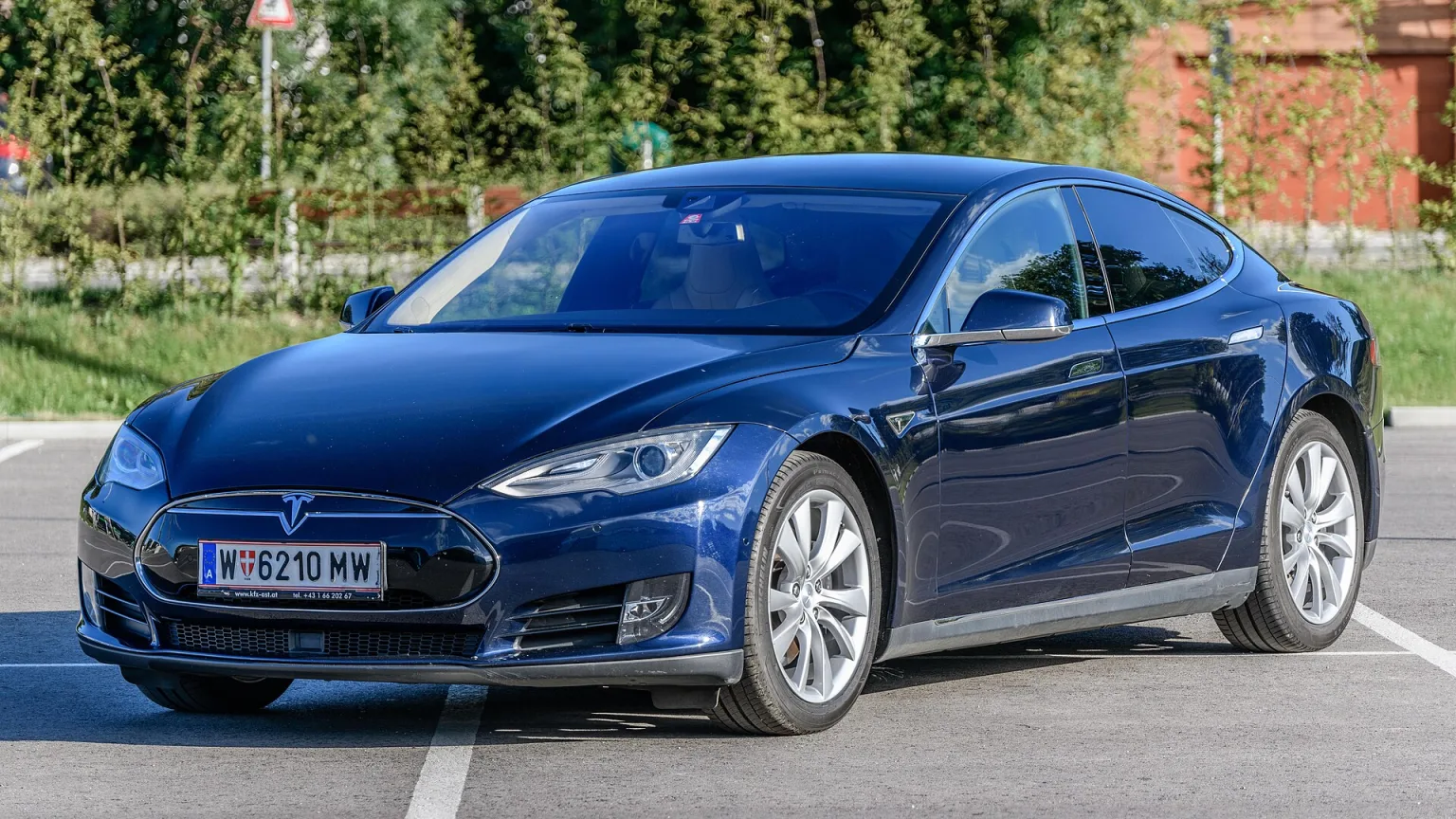
Dealer associations across the United States have stepped up legal efforts against Tesla’s factory-owned retail stores, claiming the company’s direct-to-consumer sales model violates long-standing state franchise laws. The dispute intensified in October 2012 as groups in Massachusetts, Illinois, New York and Oregon questioned the legality of Tesla’s retail approach.
Dealers argue Tesla’s stores break franchise laws
At the centre of the dispute is Tesla’s decision to bypass the traditional dealership model. Instead of selling through independent franchises, Tesla operates retail outlets, often in shopping malls, where customers can view vehicles and discuss options. Orders are placed online, with the sale technically completed in California, where Tesla’s manufacturing takes place. Dealer associations argue that these stores function as illegal factory outlets, undermining the franchise system enshrined in state law.
Bob O’Koniewski, executive vice president of the Massachusetts State Automobile Dealers Association, said the Tesla approach presents unfair competition for existing dealers and risks setting a precedent that could see other manufacturers bypassing franchisees. National Automobile Dealers Association chairman Bill Underriner warned that Tesla should reconsider its business model as its sales volumes grow, referencing Daewoo’s failed attempt to operate outside the franchise system.
Tesla’s response and legal workaround
Tesla maintains that it complies with state and local regulations at each location. The company’s vice president of sales, George Blankenship, said Tesla adapts its approach based on what is permitted in each state. In some locations, Tesla avoids taking reservations or deposits in-store, instead directing interested buyers to its website to complete a purchase. The company describes its outlets as educational spaces rather than traditional dealerships, with no vehicles delivered directly from the store.
Service concerns and future challenges
Dealer groups have also raised concerns about aftersales support, arguing that Tesla’s mall-based stores cannot provide meaningful service. Tesla has responded by establishing dedicated service centres near major customer bases, claiming that by March 2013, over 90 percent of Model S reservation holders in North America would be within 100 miles of a service centre.
The legal definition of a dealership remains unclear and varies by state, leaving Tesla to navigate a patchwork of regulations. As the company expands, its direct-sales model will continue to face scrutiny from dealer associations determined to defend the franchise system.