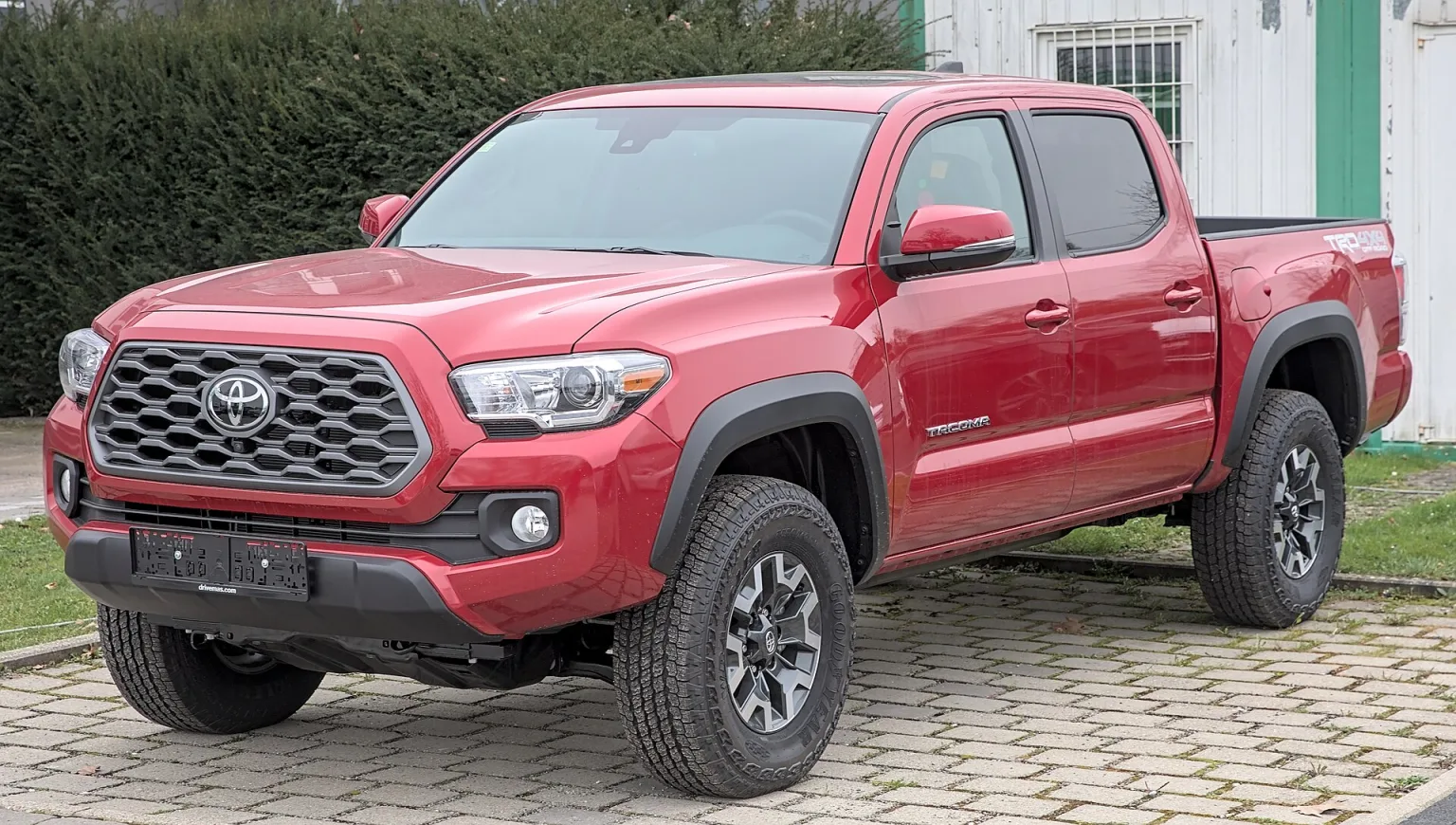
US SUV and Pickup Sales Surge as Fuel Prices Fall
Cheaper petrol and improved fuel economy have sent American buyers back to large SUVs and pickups, boosting Detroit automakers’ profits to levels not seen since before the recession.
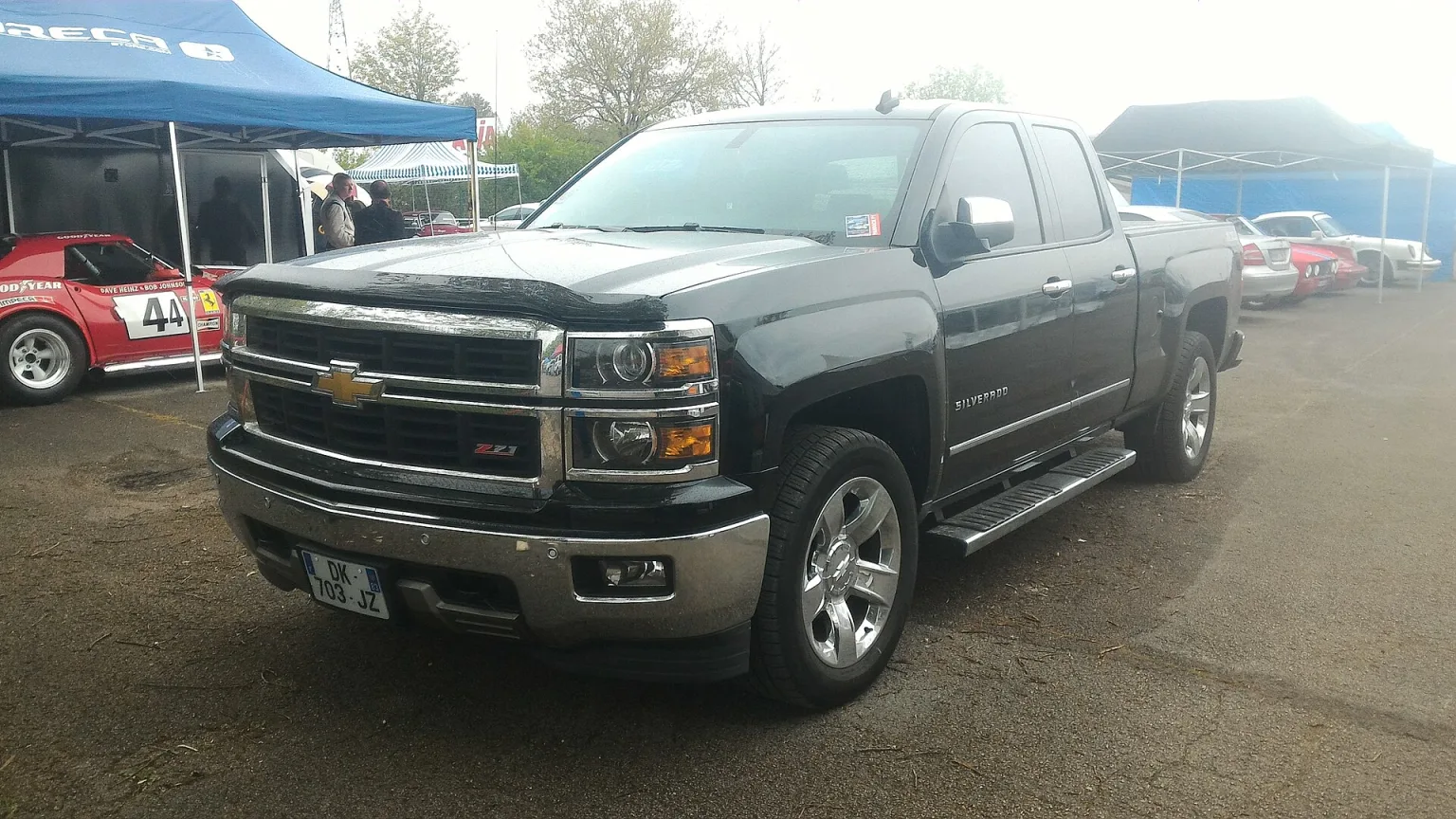
American buyers returned to large SUVs and pickups in force in 2013, as falling petrol prices and improved fuel economy reignited demand for the segment. The shift has been a boon for Detroit’s carmakers, who rely on these high-margin vehicles for a large share of their profits.
The national average price for a gallon of petrol hovered at $3.28 in early November 2013, according to US government figures. This marked a 23 cent drop from the same period a year earlier. As a result, American consumers, who had shifted towards smaller, more fuel-efficient cars during the 2008 financial crisis and the subsequent petrol price spikes, began to favour larger vehicles again.
Detroit Three Profit from Pickup and SUV Boom
General Motors, Ford and Chrysler (now Stellantis) have all benefited from the renewed appetite for pickups and SUVs. These vehicles deliver much higher margins than passenger cars, and the resurgence helped stabilise the companies’ finances as the industry recovered from the recession. Analysts expected US auto sales to reach 15.6 million units in 2013, the highest since 2007 and a clear sign that the market had regained its footing.
In October 2013, sales of light trucks, covering pickups, SUVs and crossovers, increased 15% year-on-year. By comparison, car sales rose by 6.6%. The Ram pickup saw an 18% jump, while Ford’s F-Series and the GMC Sierra each posted 13% growth. Chevrolet Silverado sales were up 10%.
- Ram pickup: 18% sales increase in October 2013
- Ford F-Series: 13% sales increase
- GMC Sierra: 13% sales increase
- Chevrolet Silverado: 10% sales increase
The 2014 Dodge Durango SUV also recorded a 58.5% sales surge, helped by a high-profile advertising campaign during the Major League Baseball playoffs. The trend was not limited to work trucks: luxury and crew cab variants, loaded with high-end features, were in strong demand as more buyers treated pickups as everyday family vehicles.
Buyers Less Concerned About Fuel Economy
While fuel economy remains a consideration, improvements across the board have made it less of a deal-breaker. Manufacturers have invested in more efficient engines and lighter materials, narrowing the gap between large vehicles and smaller cars. With petrol prices falling, the cost of running a big SUV or pickup no longer deterred buyers as it had in previous years.
The resurgence in large vehicle sales has also shifted the competitive balance among US automakers. While Ford and Chevrolet continued to see strong car sales, Fusion and Malibu both posted double-digit gains, they still lagged behind Japanese rivals such as Toyota and Honda in the midsize segment. Yet the profits from pickups and SUVs provided Detroit with a buffer, even as the car market remained competitive.
Luxury Features and Consumer Demand
Modern pickups and SUVs are often equipped to luxury-car standards. Features such as advanced infotainment, leather interiors and safety technology have broadened their appeal to a wider customer base. As the US economy recovered and credit remained accessible, more buyers could afford these premium models, further fuelling the segment’s growth.
The US market’s renewed enthusiasm for pickups and SUVs, supported by lower fuel prices and improved efficiency, has re-established these vehicles as the backbone of Detroit’s profitability. Whether the trend would persist depended on future fuel prices and regulatory changes, but for 2013, the Americans were firmly back in their big trucks.