Toro Rosso Prepares 2016 STR11 for FIA Crash Tests After Ferrari Engine Switch
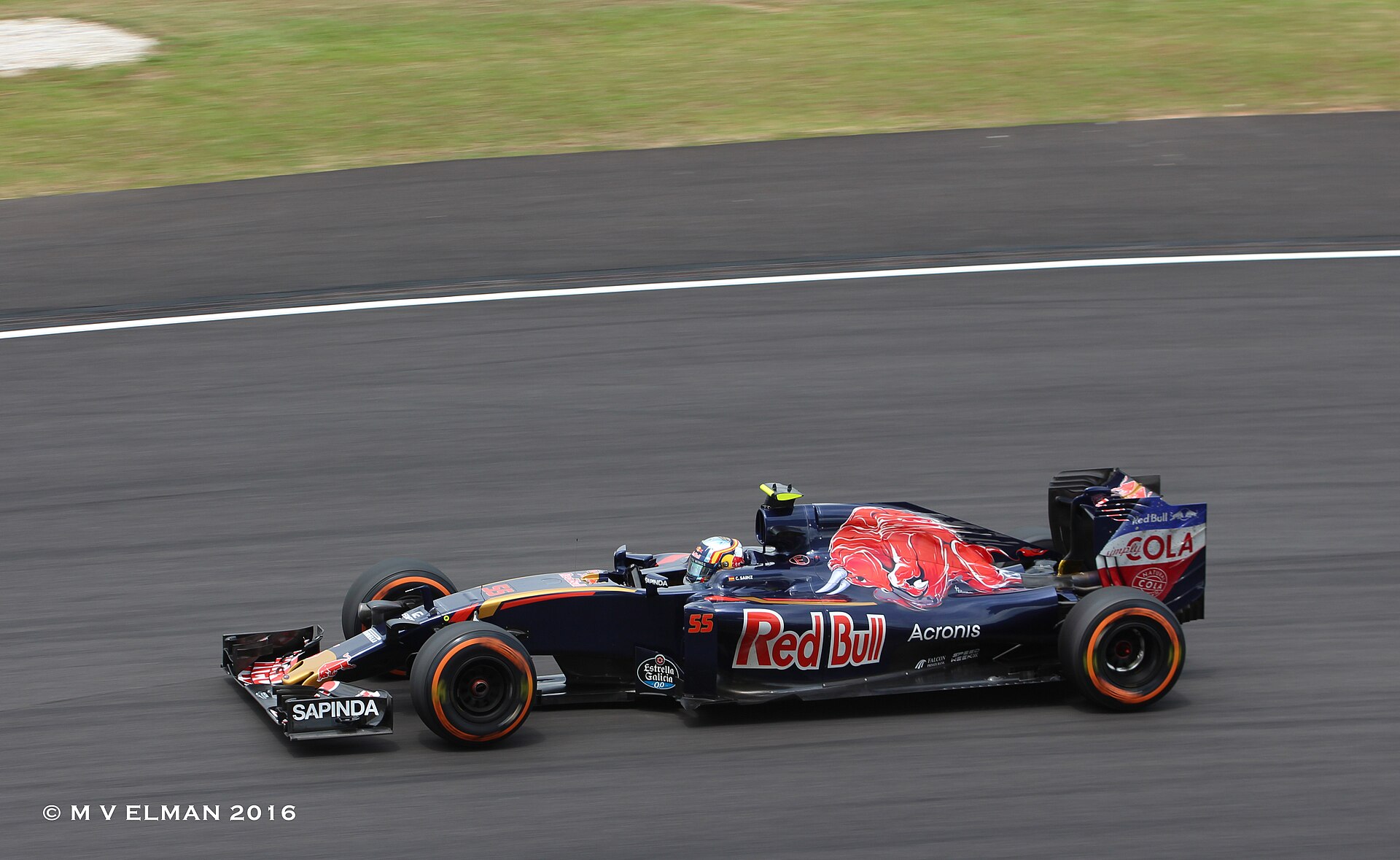
Toro Rosso’s 2016 Formula One car, the STR11, is scheduled for FIA crash testing this week following a late switch to Ferrari power units and a compressed build schedule.

Toro Rosso’s 2016 Formula One car, the STR11, is set to undergo its official FIA crash test this week, following a late off-season switch to Ferrari power units and a compressed development schedule.
The Faenza-based team had its winter plans thrown into disarray after the so-called Red Bull engine crisis at the end of 2015. While Red Bull Racing continued with rebranded Renault units, Toro Rosso secured a late deal to run 2015-specification Ferrari engines for the coming season. The change required significant re-engineering of the chassis and packaging, pushing the team’s build schedule to its limits.
Late engine deal forces rapid build
Concerns were raised that the late engine switch would leave Toro Rosso struggling to complete its 2016 car on time. To keep the project on track, team principal Franz Tost authorised the hiring of 100 temporary staff and introduced a third shift at the factory, boosting the workforce to over 480 through the winter. The technical department worked around the clock to prepare the STR11 for homologation and mandatory crash testing.
Tost acknowledged the time pressure but remained optimistic, citing the experience of the team’s engineers and the fact that official pre-season testing was scheduled to begin later in 2016 than it had in the previous year. This gave Toro Rosso a narrow window to finalise the car and complete the required safety certification.
What the crash test means for the STR11
Passing the FIA crash tests is a prerequisite for any Formula One car to participate in official sessions. The STR11’s compliance will clear the way for the car’s debut at pre-season testing in Barcelona. With the late power unit switch, the crash test represents a key milestone in Toro Rosso’s condensed winter programme.
Toro Rosso’s previous season was hampered by reliability issues with Renault engines, costing the team points and consistency. The move to Ferrari power is intended to provide a more stable platform for 2016, although the late integration has added pressure to the technical staff. Tost has expressed relief at the renewed Ferrari relationship, hoping it will deliver improved performance and reliability.
Looking ahead to pre-season testing
If the STR11 passes its crash test as scheduled, the team will be able to join the rest of the grid for the first pre-season test. While the late engine deal compressed the build timeline, the extended interval before testing has given Toro Rosso a chance to catch up. The team’s ability to adapt quickly will be tested as it prepares for the 2016 Formula One season.
For more on Toro Rosso’s 2016 preparations, see Toro Rosso technical chief insists 2016 car ran at Barcelona test.