Boullier: 2017 Formula One Rules Will Not Hinder Overtaking
McLaren racing director Eric Boullier rejects claims that the 2017 chassis and tyre regulations will reduce overtaking, arguing mechanical grip gains will offset added downforce.

Eric Boullier, McLaren’s racing director, has dismissed suggestions that Formula One’s 2017 technical regulations will make overtaking more difficult. He argued that the combination of wider tyres and a shift in aerodynamic balance will maintain, or even improve, the potential for passing on track.
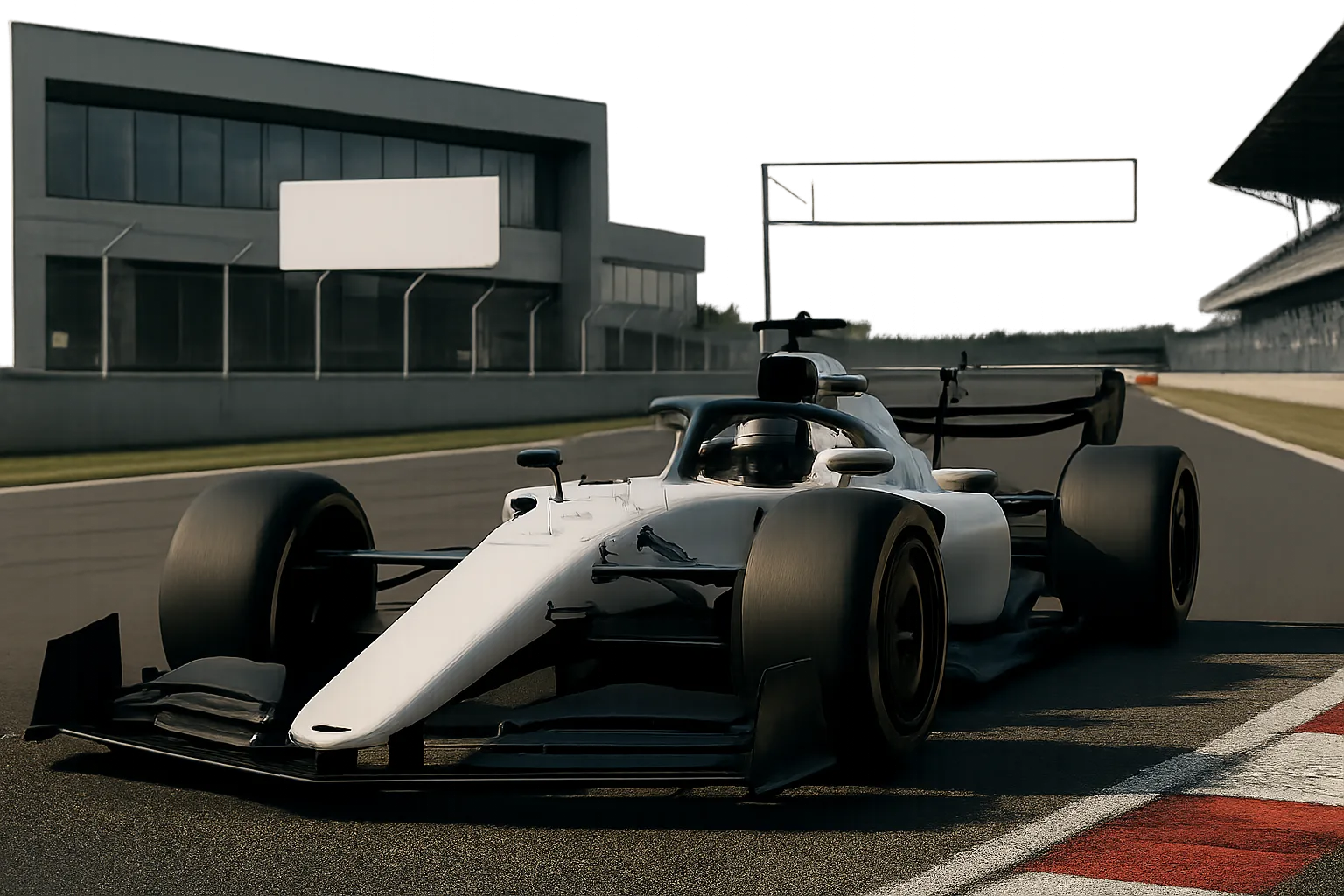
The 2017 rules, set to take effect for the new season, will see Formula One cars grow in width and feature larger tyres, with the aim of increasing cornering speeds and visual impact. The regulations also permit more aggressive aerodynamic elements, including bigger wings and diffusers, which are expected to boost downforce levels considerably.
Rival concerns over overtaking
Mercedes has been vocal in its opposition to the changes, warning that the increased downforce from wider wings and revised aerodynamics could make it harder for drivers to follow closely and attempt overtakes. The team argued that the wake from the leading car would disrupt airflow and reduce grip for those behind, a problem that has limited wheel-to-wheel racing in previous eras of high downforce.
Boullier, speaking to Spanish publication El Confidencial, rejected this view. He pointed out that while aerodynamic grip will rise, the wider tyres mandated for 2017 will deliver a substantial increase in mechanical grip. This, he said, should offset the impact of extra downforce on overtaking. Boullier also highlighted that the new rules shift the aerodynamic emphasis away from the front wing towards the floor and diffuser, which tend to be less sensitive to turbulence from other cars.
McLaren’s influence on the 2017 regulations
The 2017 chassis rules were based in part on a concept put forward by McLaren, with support from Red Bull. Both teams have publicly backed the changes, seeing them as a way to make the cars more challenging to drive and visually striking, while also improving racing. Red Bull’s Helmut Marko has dismissed Mercedes’ objections, calling them exaggerated.
What the changes mean for drivers and teams
For drivers, the expected increase in cornering speeds and physical demands will require greater fitness and precision. Teams will need to adapt their chassis and aerodynamic development strategies to maximise the new balance between mechanical and aerodynamic grip. Some, like Mercedes, remain sceptical about the effect on racing, but McLaren and Red Bull are confident the changes will deliver the intended benefits.
With the 2017 season approaching, the debate over the impact of the new rules continues. The first races under the revised regulations will provide the clearest evidence of whether overtaking has been preserved or compromised.