BMW Group US sales edge up in September as X3 drives growth
BMW Group’s US sales rose 0.2 percent in September 2018, with strong demand for the X3 offsetting declines in several passenger car lines.
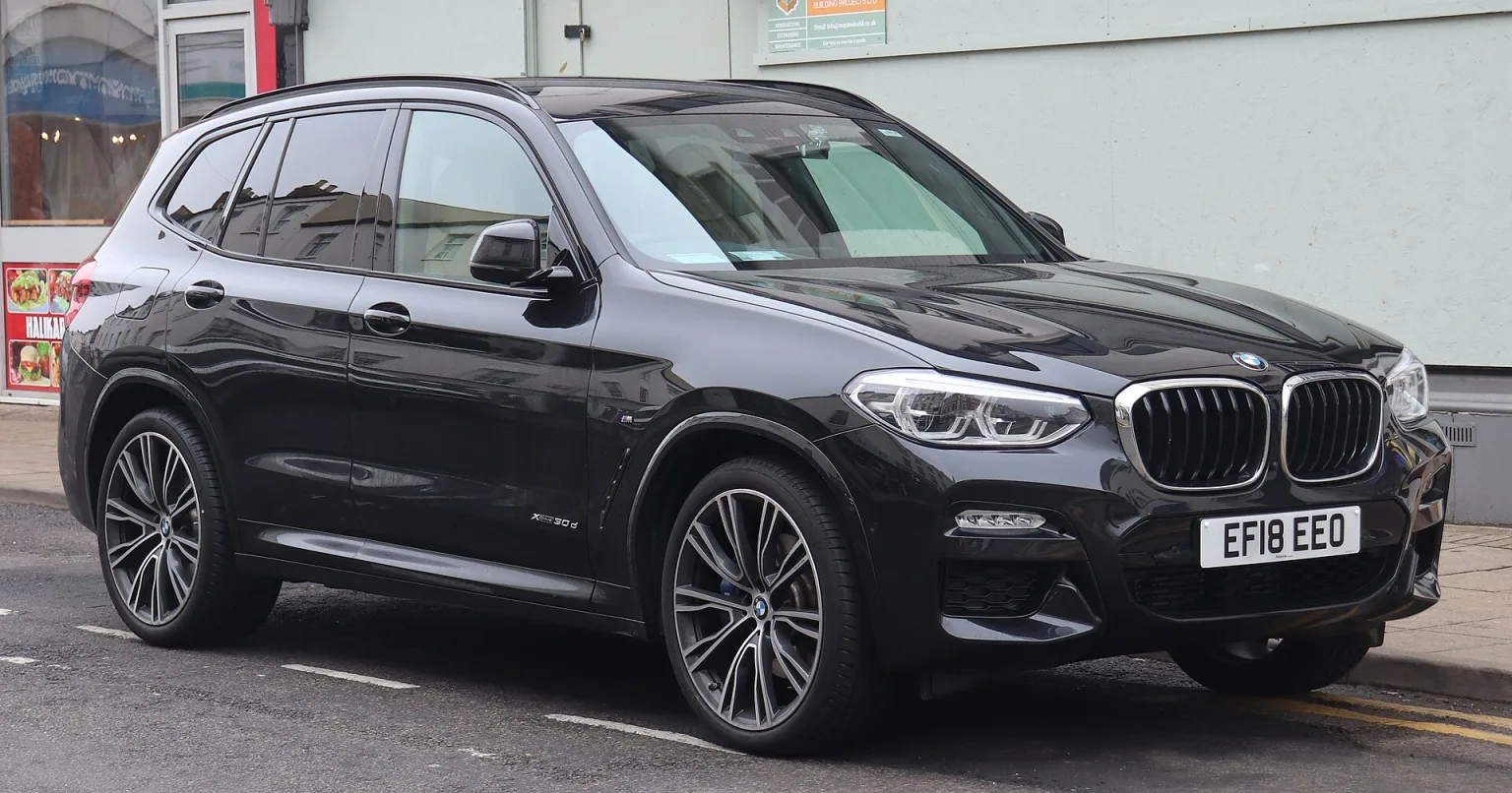
BMW Group’s combined US sales for September 2018 rose by 0.2 percent to 29,369 vehicles, compared with 29,307 in the same month last year. This modest gain was largely driven by a strong performance from BMW’s Sports Activity Vehicles (SAVs), particularly the X3, which achieved its best-ever monthly result. The September figures reflect ongoing shifts in consumer preferences and highlight the importance of SUVs in the US market.
BMW Group US Sales See Modest Rise in September 2018
Breakdown of BMW Group Sales
BMW brand sales increased 1.3 percent year-on-year to 25,908 units in September, marking the eleventh consecutive month of growth for the marque in the US. The X3 led the charge with 6,446 units sold, nearly triple its September 2017 total. BMW’s Sports Activity Vehicles accounted for 52 percent of the brand’s US sales for the month, underlining the shift in consumer demand towards SUVs and crossovers. By contrast, BMW passenger car sales fell 9.2 percent year-on-year, with several key models experiencing declines.
- BMW 3 Series: 3,615 units (-40.2%)
- BMW 4 Series: 3,174 units (-12.7%)
- BMW 2 Series, 7 Series, and Z4: lower volumes year-on-year
- BMW 5 Series: 9.3 percent year-to-date increase, but September down 6.7%
The X3 was the brand’s top-selling model in the US for the sixth consecutive month in September 2018, with 6,446 units sold. This performance helped offset the declines in passenger car sales. BMW light truck sales, which include the X models, rose sharply by 28.5 percent to 9,171 units, further emphasising the growing popularity of SUVs in the US.
MINI Brand Performance
The MINI brand experienced a decline in September, with sales falling 7.4 percent to 3,461 vehicles. This continued a downward trend for MINI in the US market. The Countryman was a rare bright spot, posting a 1.5 percent year-on-year increase, but other MINI models saw declines. Year-to-date, MINI’s US sales were down 1.7 percent, indicating ongoing challenges for the brand in attracting buyers.
Growth in Electrified Vehicle Sales
BMW Group’s electrified vehicles, which include both BMW and MINI models, recorded a 4.3 percent year-on-year increase in September, totalling 1,858 units. Electrified models accounted for 6.7 percent of the Group’s US sales for the month. The range included the BMW i3, i8, 330e, 530e, 740e, X5 xDrive 40e, and the MINI Countryman plug-in hybrid. The steady growth in electrified vehicle sales reflects BMW Group’s commitment to expanding its alternative drivetrain offerings and meeting evolving consumer expectations for sustainability.
Certified Pre-Owned and Used Vehicle Sales
In the pre-owned market, BMW Certified Pre-Owned (CPO) sales dipped 7 percent to 9,857 vehicles, but total BMW pre-owned volumes rose 2.7 percent to 20,220. This suggests that while demand for certified vehicles softened, the broader used car market for BMW remained robust. MINI Certified Pre-Owned sales, on the other hand, jumped 40.9 percent to 1,193 vehicles, with total MINI pre-owned sales up 13.7 percent. The growth in MINI’s pre-owned segment may indicate a preference among buyers for more affordable options or a shift in purchasing habits.
Market Trends and Strategic Outlook
The September 2018 sales data highlights a number of key trends for BMW Group in the US. The continued growth in X model sales, especially the X3, demonstrates the increasing dominance of SUVs in the American market. BMW’s focus on expanding its SAV line-up, much of which is produced at its South Carolina plant, appears central to its US strategy. The company expects further growth, especially with the arrival of new models such as the all-new X5, which was scheduled to reach showrooms in November 2018.
The decline in passenger car sales, particularly for the 3 Series and 4 Series, suggests that traditional sedans face mounting pressure from SUVs and crossovers. Meanwhile, the steady increase in electrified vehicle sales, though still a small portion of overall volume, points to gradual progress in the adoption of alternative powertrains. The pre-owned market remains an important area for both BMW and MINI, providing additional sales channels and helping to sustain brand loyalty among customers seeking value.
Context and Previous Trends
For context, BMW’s earlier sales trends in the US included a 0.7 percent increase in September of the previous year. The current figures, while modest, continue a pattern of incremental growth for the Group in a highly competitive market. The company’s ability to adapt its product offerings to meet changing consumer preferences, particularly by strengthening its SUV and electrified vehicle portfolios, will likely play a significant role in its future performance in the US.