BMW slows i3 production over quality and safety concerns
BMW is holding back i3 output as it addresses quality and safety issues, with early sales figures lagging and the company wary of potential recalls.
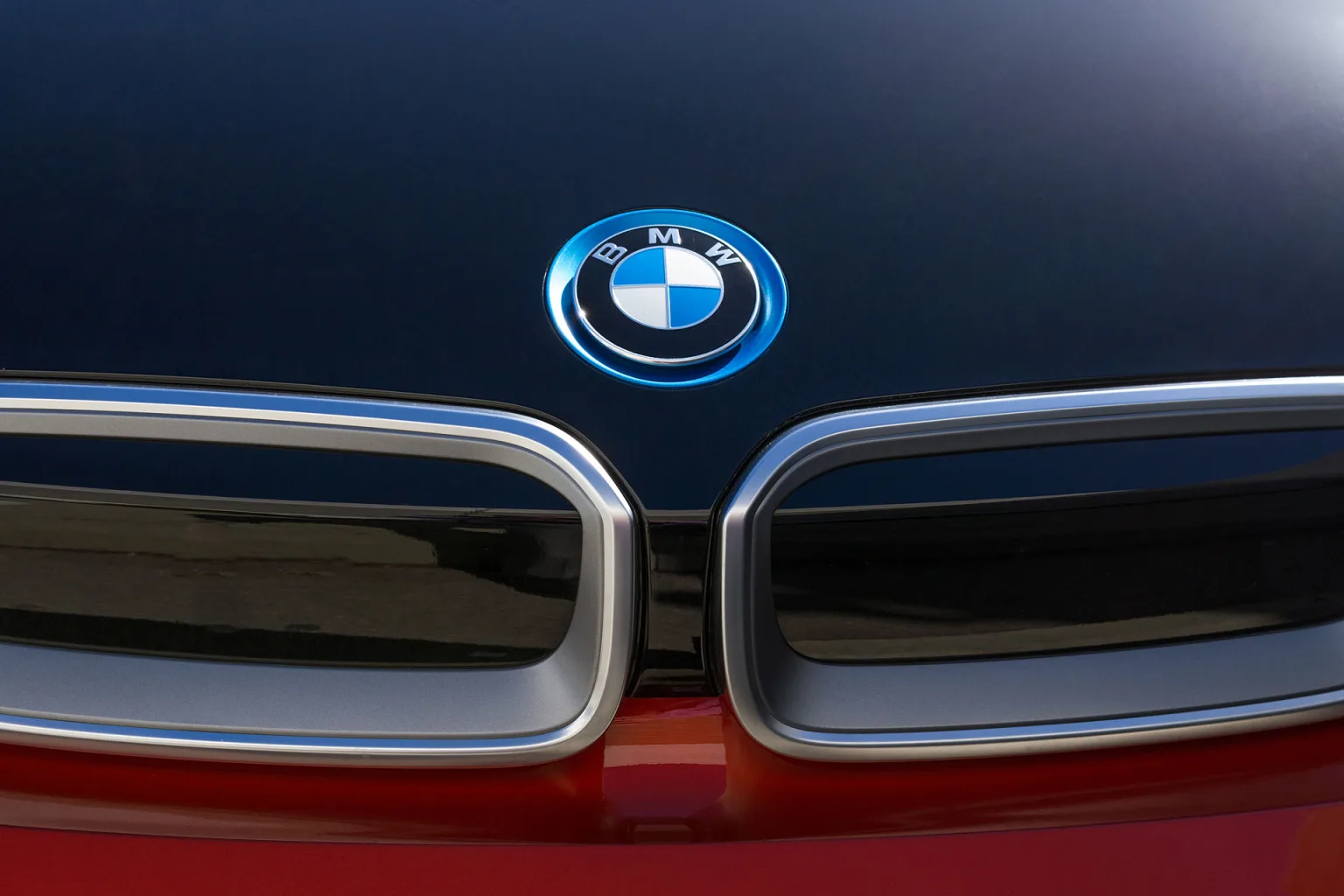
BMW is deliberately limiting production of its new i3 electric car as it works to resolve quality issues and concerns about the reliability of its advanced technology. The company’s caution comes after a substantial investment in the i3 programme and a disappointing performance in recent European safety tests.
Despite a reported development cost of around $2 billion, BMW’s first mass-market electric car has not met early sales expectations. According to Automotive Industry Data, only just over 400 i3s were sold across Western Europe in November 2013. Registrations by the end of that month stood at 801, but many of these were accounted for by press and dealer demonstrators rather than private buyers. In Germany, where sales began on 16 November, only 121 units were sold that month.
Quality and safety challenges for the i3
The i3’s slow market introduction is partly a result of BMW’s unease about the car’s new technologies. The i3 uses a carbon fibre-reinforced plastic structure and a battery-electric drivetrain, both unproven in high-volume BMW production. Sources in the industry suggest BMW is wary of a public recall that could damage its reputation, especially after the i3 scored four out of five stars in Euro NCAP safety testing. The car performed poorly in pedestrian protection and safety assist categories, which is below the standard now routinely achieved by new models in Europe.
BMW has stated it has 10,000 orders for the i3, but has not clarified how many are from end customers rather than dealers. The company has indicated that full production capacity would be reached by March 2014, but has not specified the target output. US sales were scheduled to begin in the second quarter of 2014.
Cautious approach to new technology
The i3 represents a major technical departure for BMW, both in its use of carbon fibre and as the company’s first dedicated electric vehicle. This has brought fresh manufacturing challenges at the Leipzig plant, where the car is assembled. BMW is reportedly keeping production volumes low until it is confident the i3 will not be subject to an early recall or widespread reliability issues. Such caution is not unusual for a manufacturer introducing new materials and propulsion systems, but it has contributed to the slow pace of deliveries to customers.
Early buyers and dealers have faced long waiting times, and the slow rollout has affected the i3’s presence in the market. BMW’s approach contrasts with some rivals that have pushed new electric models to market more aggressively, sometimes at the cost of early recalls or technical issues. The company’s reputation for engineering quality is at stake as it seeks to establish itself in the electric vehicle segment.
For more on BMW’s recall record, seeBMW recalls 176,000 cars worldwide for power brake defect.