Chinese bidders compete for Fisker, hint at Tesla collaboration
Wanxiang Group and Hybrid Tech are vying for Fisker Automotive’s assets, with interest in patents and potential links to Tesla as the auction nears.
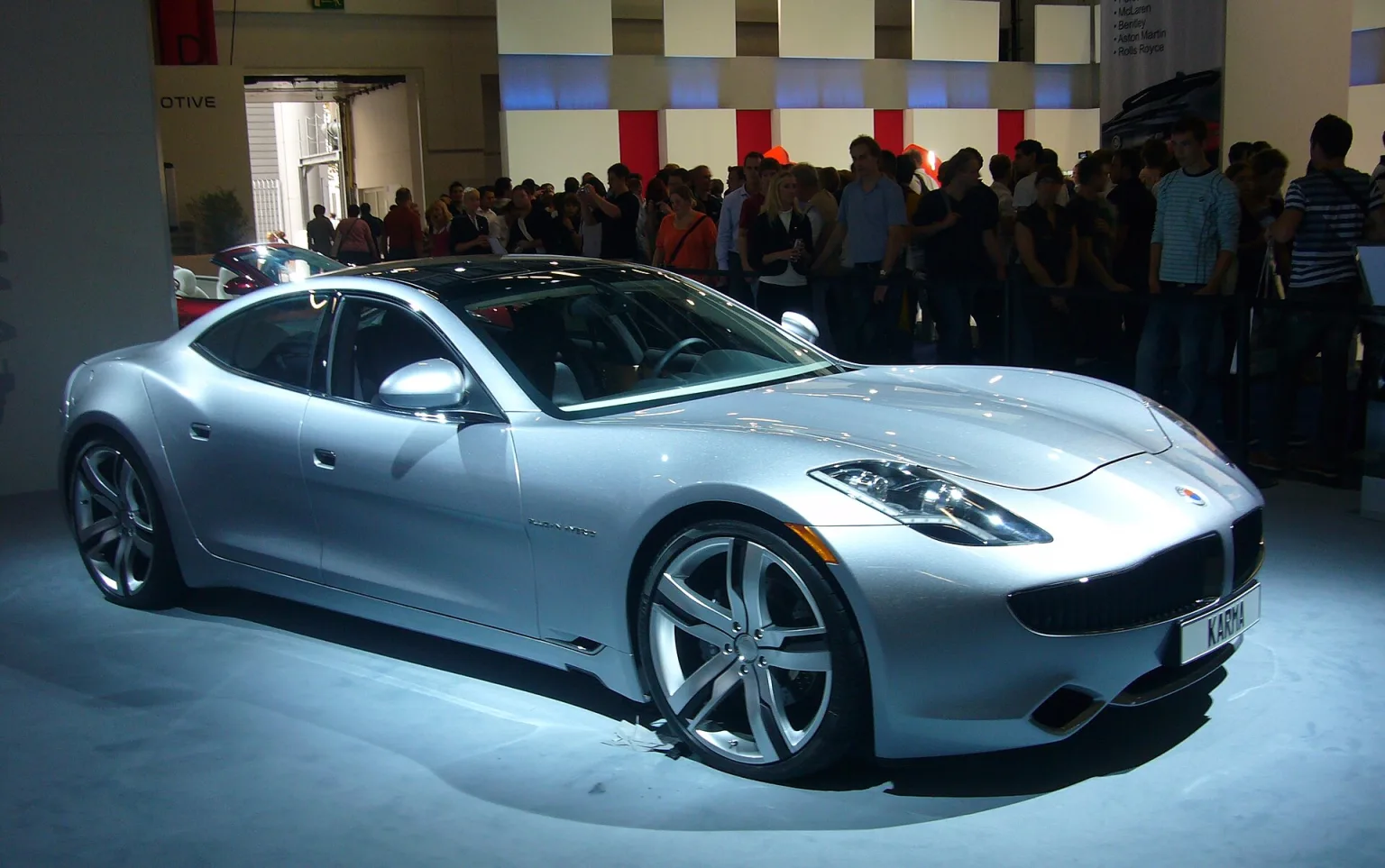
Two Chinese-backed companies are set to compete at auction for the assets of bankrupt Fisker Automotive, with their focus on the company’s intellectual property and potential opportunities in both the US and Chinese markets. The auction, scheduled for 12 February 2014, will decide whether Wanxiang Group or Hybrid Tech secures Fisker’s 18 patents and other assets.
Fisker Automotive, best known for its Karma plug-in hybrid, has not produced a vehicle since 2012. Its Delaware factory, a former General Motors site, was never used for production after Fisker failed to meet US Department of Energy milestones, resulting in the freezing of government loans and layoffs at the plant. The company’s collapse followed the resignation of co-founder Henrik Fisker and mounting financial losses, including US$139 million in taxpayer funds.
Patents and US market access drive interest
For both Wanxiang and Hybrid Tech, the main attraction is Fisker’s intellectual property portfolio. The 18 patents cover grille designs, a fender vent and electric vehicle drivetrain technology, according to the US Patent and Trademark Office. Analysts suggest that these assets could help a Chinese firm gain a foothold in the US electric and hybrid market, as well as support ambitions in China’s rapidly expanding green vehicle sector.
Manufacturing in the US is less of a priority for the bidders. The Delaware plant, which was to build the Fisker Atlantic, comes with Department of Energy loan conditions requiring high production volumes and local hiring. These requirements contributed to the earlier withdrawal of Geely and Dongfeng, who had previously been in talks to acquire Fisker but pulled out due to the aggressive terms attached to the government loans.
Openness to Tesla ties
Both Chinese bidders have indicated an openness to future collaboration with Tesla, although no formal talks have been reported. The possibility of leveraging Fisker’s patents in partnership or licensing arrangements with Tesla is seen as a potential route to accelerate technology development or market entry. This reflects a broader trend among Chinese investors and manufacturers to align with established electric vehicle players, as seen in other recent moves in the sector. For more on Chinese firms taking cues from Tesla, seeChinese Billionaires Eye Tesla’s Model for Electric Vehicle Growth.
What the sale could mean for electric vehicle competition
If Wanxiang or Hybrid Tech acquires Fisker’s assets, the patents could be used to support new electric or hybrid models for the Chinese or US markets, or to facilitate technology partnerships. The outcome of the auction will clarify whether Fisker’s technology will remain in the US or support Chinese-backed electric vehicle ambitions abroad. The auction’s result is expected to shape not only the fate of Fisker’s intellectual property but also the strategies of Chinese firms seeking to challenge established players like Tesla in both domestic and overseas markets.