Seat Confirms 2016 Launch for First Production SUV
Seat will enter the compact SUV segment in 2016 with a new model set to rival the Nissan Qashqai, as the company officially confirms production plans.
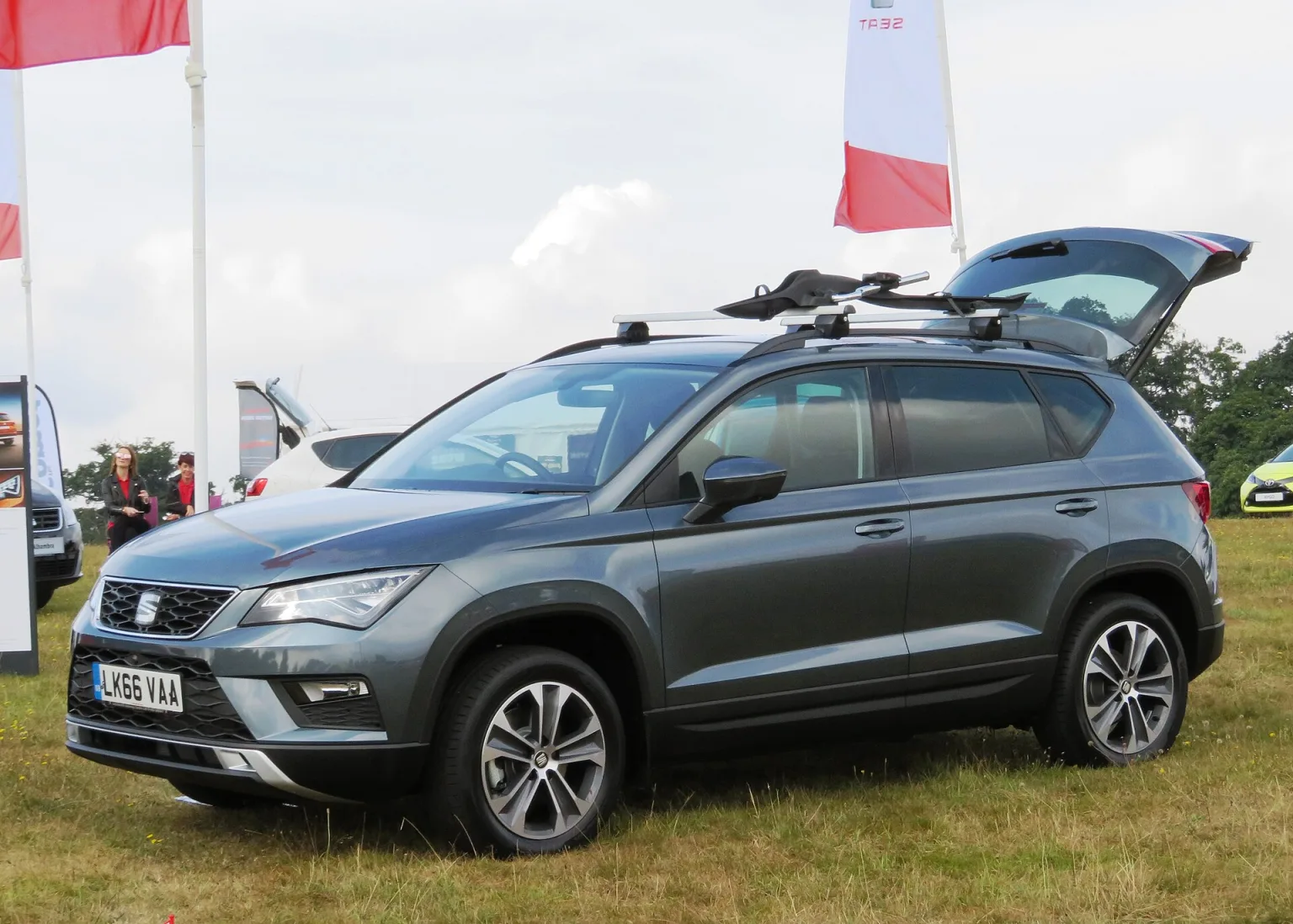
Seat has officially confirmed it will launch its first production SUV in 2016, marking a significant step for the Spanish brand as it enters the competitive compact crossover segment. This announcement comes after months of speculation and sightings of prototype vehicles undergoing testing. The confirmation signals Seat’s commitment to expanding its range beyond hatchbacks and estates, aiming to capture a share of the rapidly growing SUV market.
Development and Confirmation
The decision to produce a Seat SUV was confirmed by company representatives, who indicated that the vehicle is scheduled to arrive in showrooms during 2016. While the company has not yet revealed the official name or detailed technical specifications, the confirmation follows a period of increasing pressure for Seat to diversify its line-up. The move comes after the brand previewed its SUV ambitions with concept vehicles, such as the 20V20, which hinted at the direction of the production model.
Spy photographers have captured the SUV in various stages of development, and Seat’s announcement has added further credibility to reports that the model is nearing completion. The company has not confirmed whether the new SUV will be unveiled as a concept before its production debut, but more details are expected to be released as the launch date approaches.
Platform and Technical Basis
The new Seat SUV is expected to be built on the Volkswagen Group’s MQB platform, which is already used by several Seat and Volkswagen models. This modular architecture allows for a flexible approach to engine and drivetrain options, making it likely that the SUV will offer a range of petrol and diesel engines familiar to Seat customers. Although drivetrain specifics have not been confirmed, sources suggest that both front- and all-wheel-drive variants could be available, expanding the model’s appeal to a broader audience.
The MQB platform also enables Seat to share components and technology with other brands in the Volkswagen Group, potentially reducing development costs and ensuring access to the latest innovations in safety and efficiency. This strategy is consistent with recent trends in the automotive industry, where platform sharing is used to streamline production and respond quickly to market demands.
Design and Positioning
While final design details and images have yet to be released, sources close to the project indicate that the SUV will draw inspiration from the Leon FR hatchback. Expected features include sharp LED headlights, plastic body cladding, and other styling elements designed to give the vehicle a more rugged and distinctive appearance. The compact dimensions will position the SUV as a direct competitor to models like the Nissan Qashqai.
The new model is intended to appeal to buyers seeking a practical and stylish alternative to Seat’s existing Leon and Ibiza ranges. With the SUV segment continuing to grow across Europe, Seat’s entry is seen as a strategic move to attract new customers and strengthen its brand presence in key markets.
Market Context and Rivals
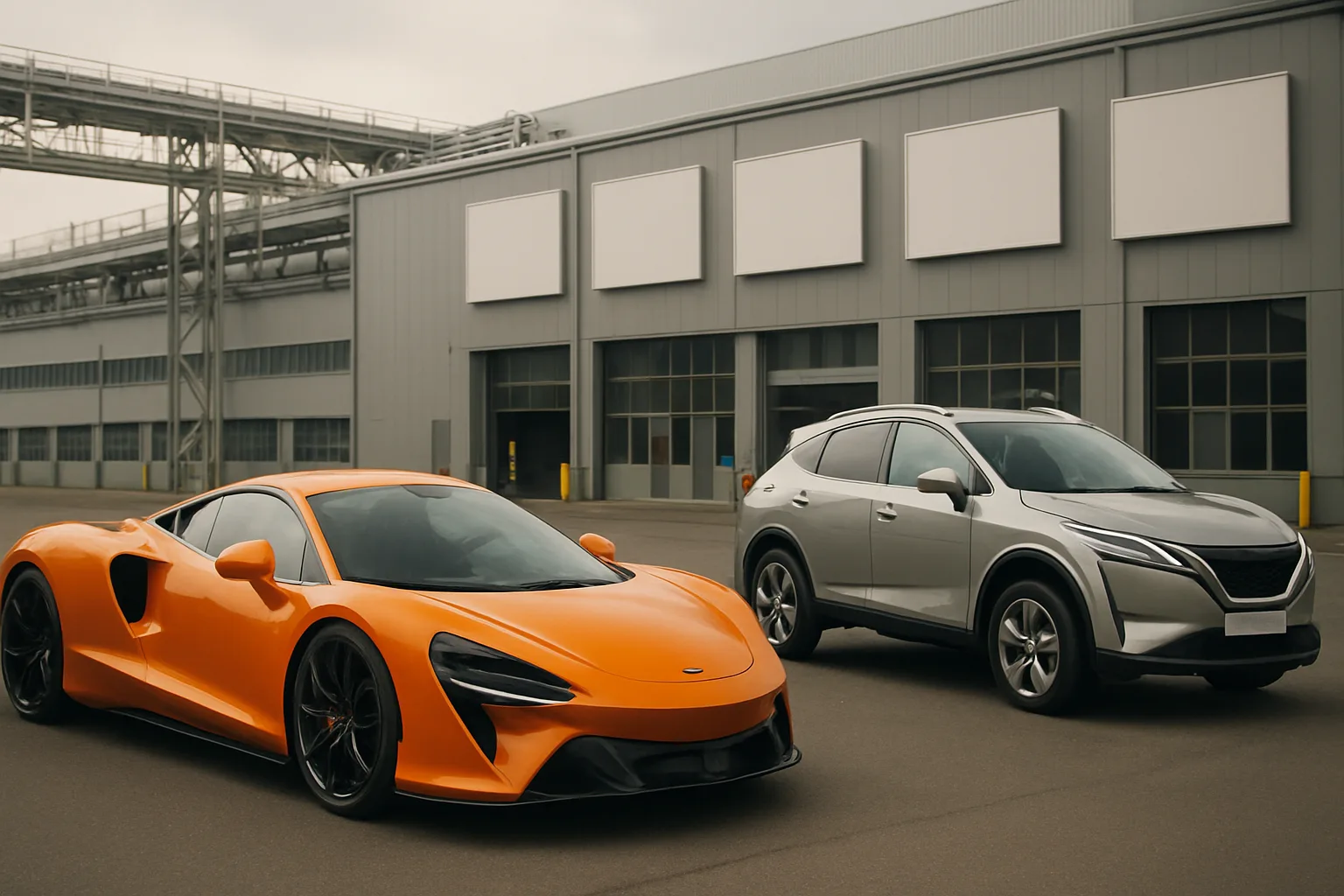
The compact crossover segment has become increasingly competitive, with established models such as the Nissan Qashqai, Mazda CX-3, Ford EcoSport, and Volkswagen Tiguan leading the market. Seat’s new SUV is expected to challenge these rivals by offering a blend of contemporary design, proven mechanicals, and the brand’s reputation for value. The decision to launch an SUV also aligns Seat with other manufacturers, such as Alfa Romeo, Maserati, and Bentley, who have all announced plans to introduce SUVs in 2016 as they seek to capitalise on the segment’s popularity.
- Nissan Qashqai
- Mazda CX-3
- Ford EcoSport
- Volkswagen Tiguan
Seat’s entry into the SUV market is expected to boost its sales and visibility, particularly in Europe where demand for compact crossovers remains strong. The move could also help the brand reach new customer segments and compete more effectively with other Volkswagen Group brands.
Production and Future Announcements
While Seat has not yet disclosed where the SUV will be produced, further details on pricing, specifications, and production location are anticipated as the 2016 launch approaches. The brand is expected to reveal more about the model’s features and engine line-up closer to its official unveiling. Until then, the confirmation of the SUV’s development marks an important milestone for Seat as it prepares to expand its product portfolio and respond to evolving market trends.
For more on Seat’s SUV strategy, see Seat to Launch Compact SUV in 2016, CEO Confirms.