BMW i Brand Rules Out SUV Model, Focuses on Urban Electric Cars
BMW’s i sub-brand, known for the i3 and i8, will not add an SUV to its line-up, with executives stressing the focus remains on city-friendly electric vehicles.
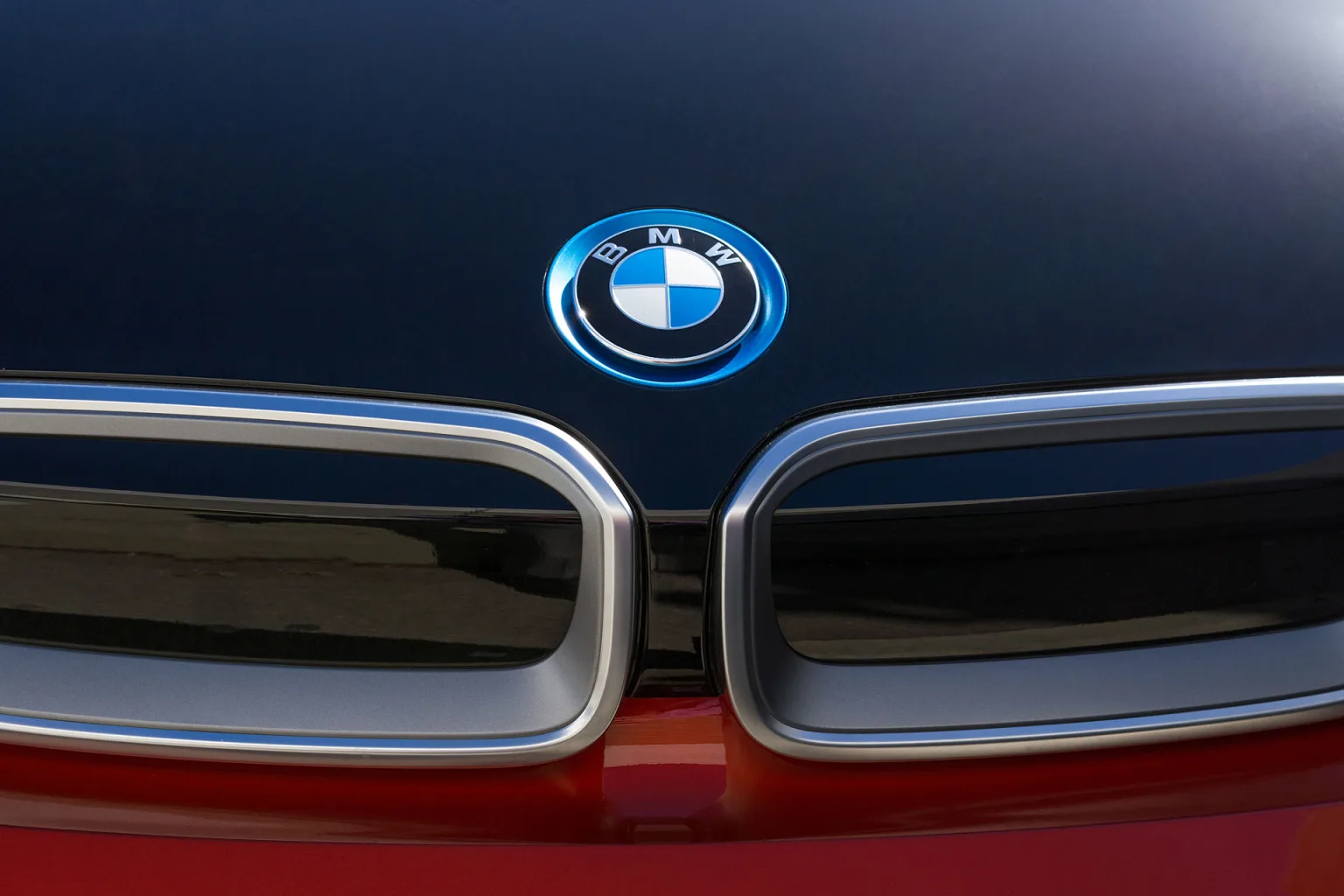
BMW has no plans to introduce an SUV under its i sub-brand, despite the growing popularity of electric SUVs and the company’s own expansion of the i range. The decision, confirmed by project manager Roland Kowalski, keeps the focus of the i brand on urban electric cars rather than larger, higher-riding models.
Kowalski, who led the i3 project, explained that the i brand’s philosophy is rooted in providing solutions for urban environments. He pointed to the i3’s compact footprint and generous interior space as evidence of the brand’s commitment to city mobility. According to Kowalski, more than 90 percent of urban drivers do not require four-wheel drive, and the SUV format is seen as unnecessary for the i brand’s intended customers.
BMW has registered model names from i1 through to i9, but executives say this does not mean every number will translate into a production model. The i3, a compact electric car, and the i8, a hybrid sports car, launched the brand with a deliberate gap between them, allowing flexibility for future additions. While speculation has suggested a possible i5 could fill the space between the i3 and i8, Kowalski confirmed that, at least for now, an SUV is not among the options being considered.
Urban focus for BMW i
The i sub-brand was established to address the challenges of urban mobility and emissions reduction, rather than competing with BMW’s own X-series SUVs. Kowalski described the i3 as offering the interior space of a 3 Series saloon on a wheelbase similar to a 1 Series hatchback, underlining the efficient use of space for city driving. The brand’s approach contrasts with the trend among rivals to electrify SUV models, as seen with concepts like the Audi Q6 and Mercedes-Benz’s green sub-brand plans.
BMW’s vice-president of functional integration and driving dynamics, Jos van As, said the choice to start with i3 and i8 was intentional, leaving room for future models without locking the brand into a particular segment. This strategy gives BMW flexibility to respond to future shifts in urban transport needs, but the company is clear that the i brand’s direction remains distinct from the SUV market.
SUVs remain with the X series
BMW’s SUV ambitions continue under its X series, which includes models like the X3, X5 and the planned X7. The i brand, by contrast, is positioned as a separate effort to address emissions and congestion in large cities. For buyers interested in electrified SUVs, BMW’s main brand has since expanded its plug-in hybrid and electric offerings through the iPerformance sub-brand, but these developments are separate from the i brand’s original mission.