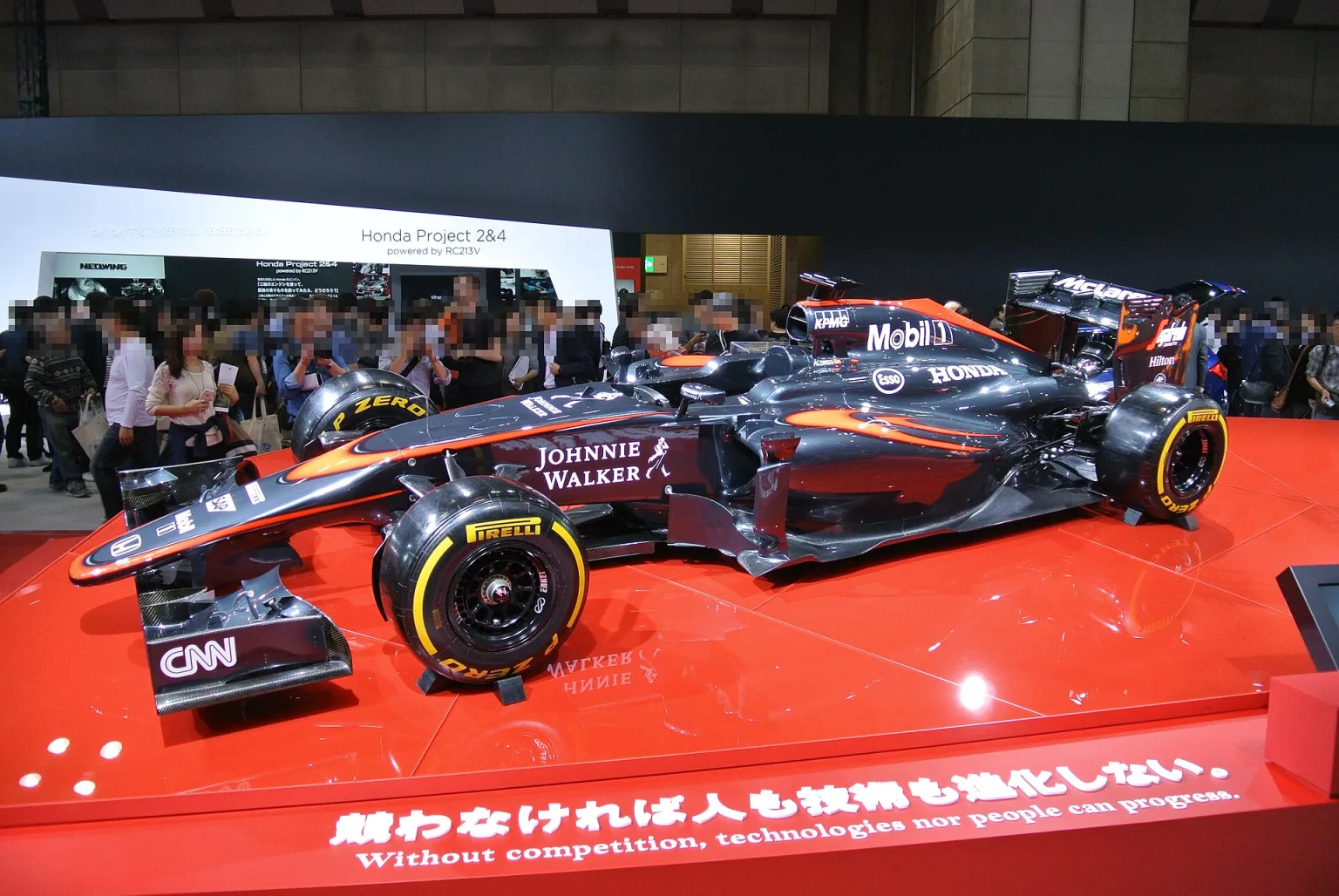
F1 ratifies major overhaul for faster cars in 2017
Formula One has approved new technical regulations for 2017 targeting cars up to six seconds a lap quicker, with wider tyres, increased aerodynamics and in-race refuelling set to return.

Formula One’s governing body and commercial rights holder have confirmed sweeping regulation changes for 2017, aiming to make cars five to six seconds per lap quicker through a combination of wider tyres, revised aerodynamics and the reintroduction of in-race refuelling.
The announcement, made on 15 May 2015, follows a meeting of the Strategy Group and marks the sport’s most dramatic technical shift since the introduction of hybrid turbo engines. The new rules are intended to address concerns over spectacle and driver challenge, amid criticism that current cars are too slow and quiet compared to previous eras.
What changes for 2017?
Central to the overhaul are wider tyres, with Pirelli set to supply rubber that increases mechanical grip. Aerodynamic changes will allow for more downforce, with the FIA promising a more aggressive look for the cars. The minimum car weight will be reduced, further boosting performance.
- Wider tyres for increased mechanical grip
- Revised aerodynamic rules for higher downforce
- Lower minimum car weight
- Return of in-race refuelling
- Turbo V6 engines with higher rev limits for more noise
In-race refuelling, banned since 2009, will return. The move is expected to add strategic variety, though safety and cost implications remain under discussion. The turbocharged V6 hybrid engines will be retained, but the maximum rev limit will rise to increase engine noise, a frequent complaint since the 2014 power unit rules arrived.
Tyre choice changes for 2016
While most changes arrive in 2017, tyre rules will already shift in 2016. Teams will be able to select their own two compounds per race weekend from Pirelli’s four-tyre range, rather than being restricted to a standard allocation. The move, originally proposed by Force India, was previously resisted by Pirelli but has now been approved to encourage varied strategies and improve racing.
Cost control still unresolved
The FIA’s statement acknowledged that cost reduction remains a priority, but no specific measures were agreed. Teams have been tasked with submitting proposals in the coming weeks. The scale of the technical changes is expected to increase development costs, raising questions about financial sustainability for smaller outfits.
The 2017 overhaul is the result of months of negotiation between teams, the FIA and Formula One Management. The changes must still pass through the F1 Commission and World Motor Sport Council before final ratification. For more on the ongoing rule discussions, see F1 Teams and Stakeholders Head to Geneva for Crucial 2017 Rules Meeting.