Mercedes F1 dominance credited for 20% surge in car sales
Dieter Zetsche links Mercedes’ Formula One success since the hybrid era began to a 20 percent jump in global car sales, calling F1 a vital marketing platform.
Mercedes’ sustained success in Formula One since the introduction of the hybrid power unit rules has coincided with a 20 percent increase in the company’s global car sales, according to Daimler CEO Dieter Zetsche. The figures, reported by El Confidencial, underline the commercial value Mercedes attaches to its motorsport achievements.
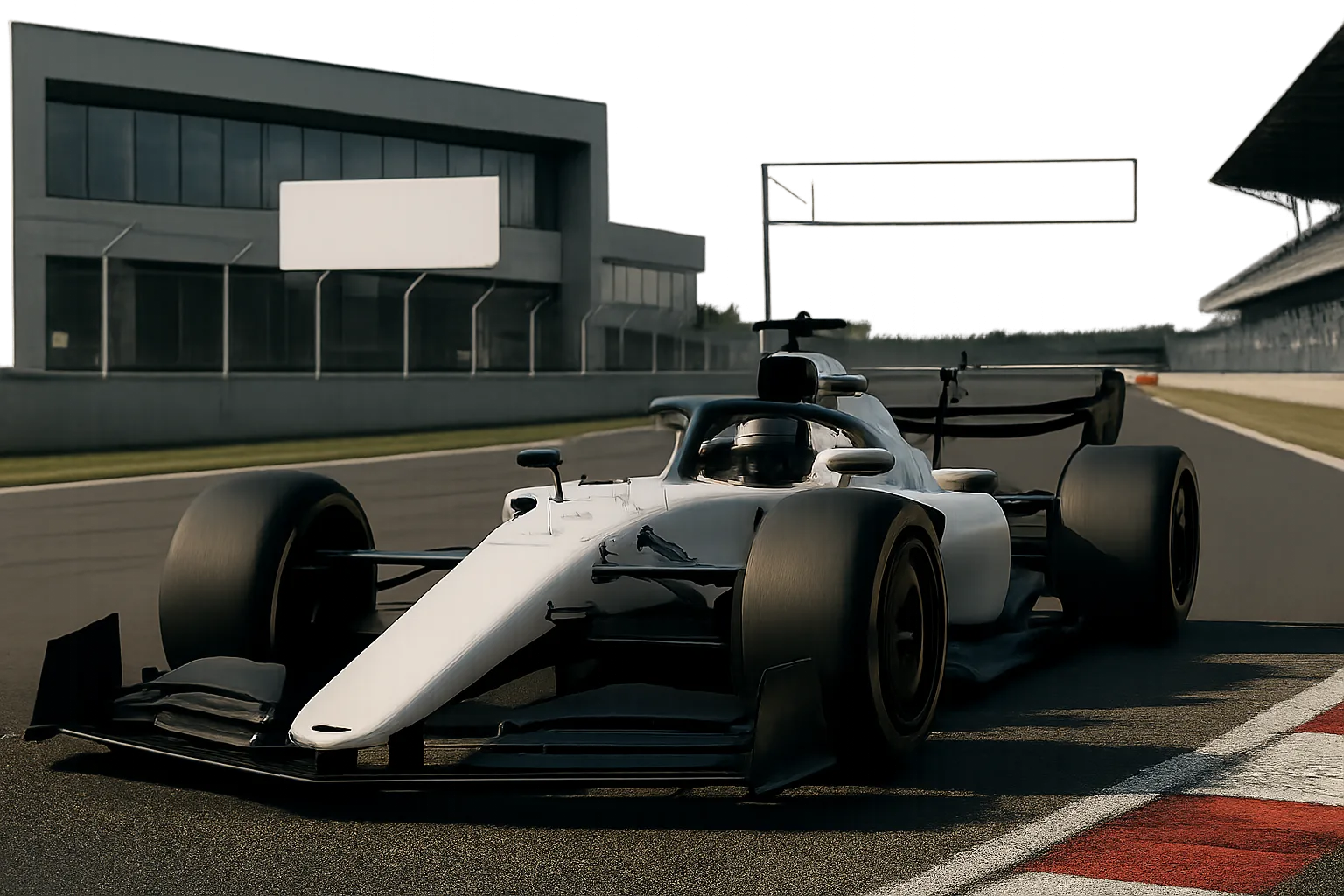
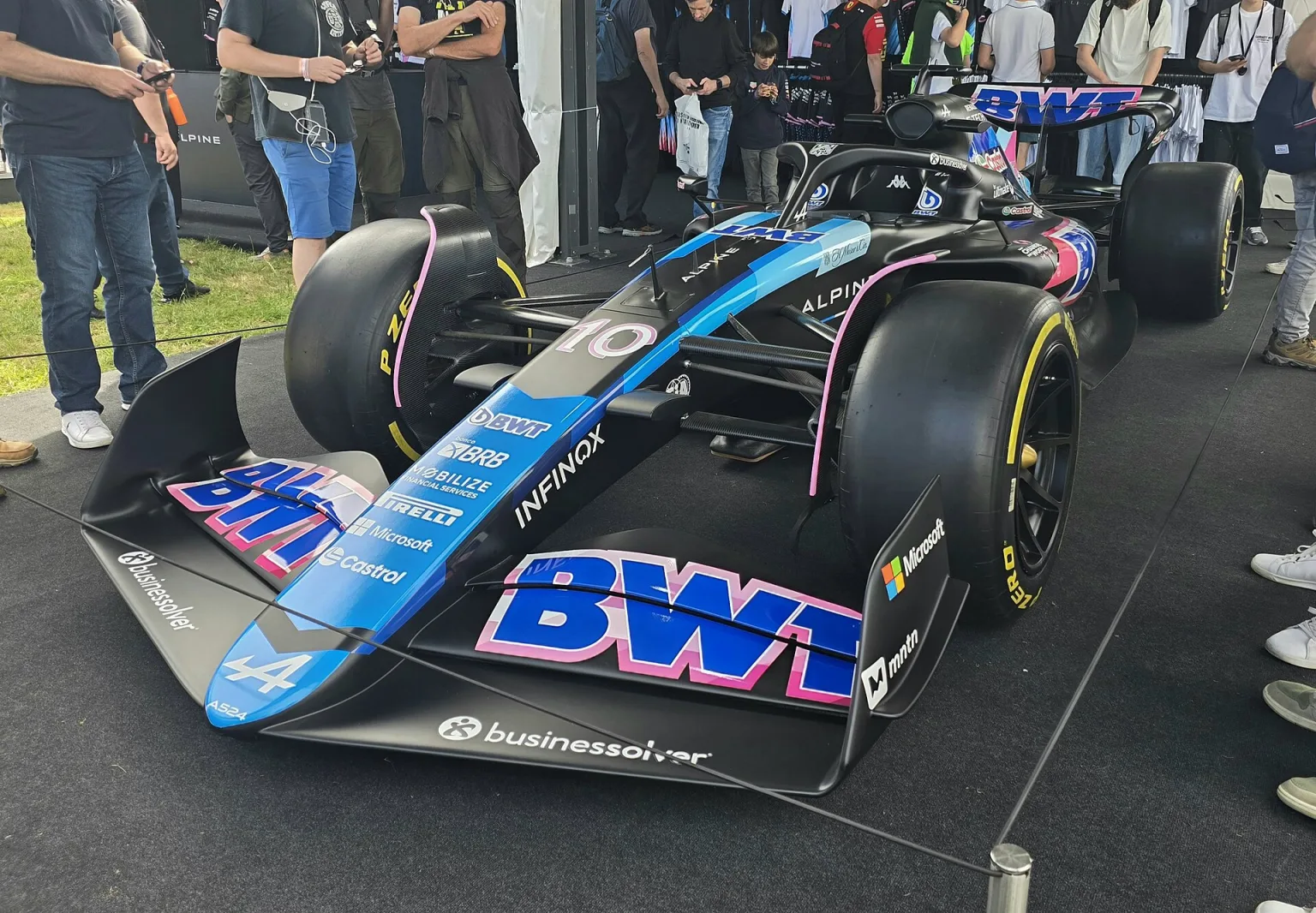
Zetsche pointed to the timing of Mercedes’ F1 victories and the sharp growth in car sales, stating that while it is difficult to scientifically prove a direct link, he is convinced the brand’s high profile on the track has fuelled demand in showrooms. Mercedes’ F1 works team has been the dominant force since 2014, sweeping both drivers’ and constructors’ championships and drawing global attention to the marque.
Formula One as a marketing platform
The Mercedes team’s sustained presence at the front of the grid has given the brand exposure to hundreds of millions of viewers worldwide. Zetsche described Formula One as a marketing platform on a par with the football World Cup or the Olympics, but with the advantage of a global audience reached 21 times a year. He called the championship “extremely important” to Mercedes’ brand strategy.
The hybrid era, which began in 2014, has seen Mercedes not only dominate on track but also refresh its road car line-up with new models and improved technology. Zetsche said last year’s sales were the highest in the company’s history, coinciding with the team’s continued winning streak in F1.
Balancing F1 exposure with team workload
While Zetsche is enthusiastic about the sport’s marketing benefits, Mercedes team principal Toto Wolff has questioned the sustainability of a 21-race calendar, the largest in F1 history at the time. Wolff’s comments reflect concerns about the strain on team personnel, even as the brand reaps commercial rewards.
The scale of Mercedes’ F1 investment and the resulting global exposure have set a benchmark for how motorsport success can translate into showroom traffic. The company’s experience suggests that, for luxury manufacturers, winning on Sunday can still help sell on Monday, at least when the victories come with global television audiences and a refreshed product range.
For more on how broader market trends affect car sales, seeSUVs Drive 11% Surge in European Car Sales for August.