Ferrari completes Pirelli tyre test at Paul Ricard
Ferrari drivers Charles Leclerc and Carlos Sainz ran two days of Pirelli tyre development at Le Castellet, focusing on 2025 compounds and intermediates after the Monaco Grand Prix.

Ferrari concluded a two-day tyre test for Pirelli at the Circuit Paul Ricard, immediately after the Monaco Grand Prix, as part of preparations for the 2025 Formula One season. Both Charles Leclerc and Carlos Sainz took part, with each driver focusing on different aspects of tyre development for next year’s compounds.
Ferrari and Pirelli Continue 2025 Tyre Development in France
Details of the Paul Ricard Tyre Test
The test took place at the 3.5 km Circuit Paul Ricard, a venue frequently used for Formula One testing due to its versatile layouts and ability to simulate a range of track conditions. The sessions were scheduled directly after the Monaco Grand Prix to make the most of the teams' presence in Europe and to fit into the tight F1 calendar.
- Carlos Sainz completed 138 laps (768 km) on new soft compound tyres.
- Charles Leclerc logged 160 laps (585 km) on intermediate tyres, with the circuit artificially soaked to simulate wet conditions.
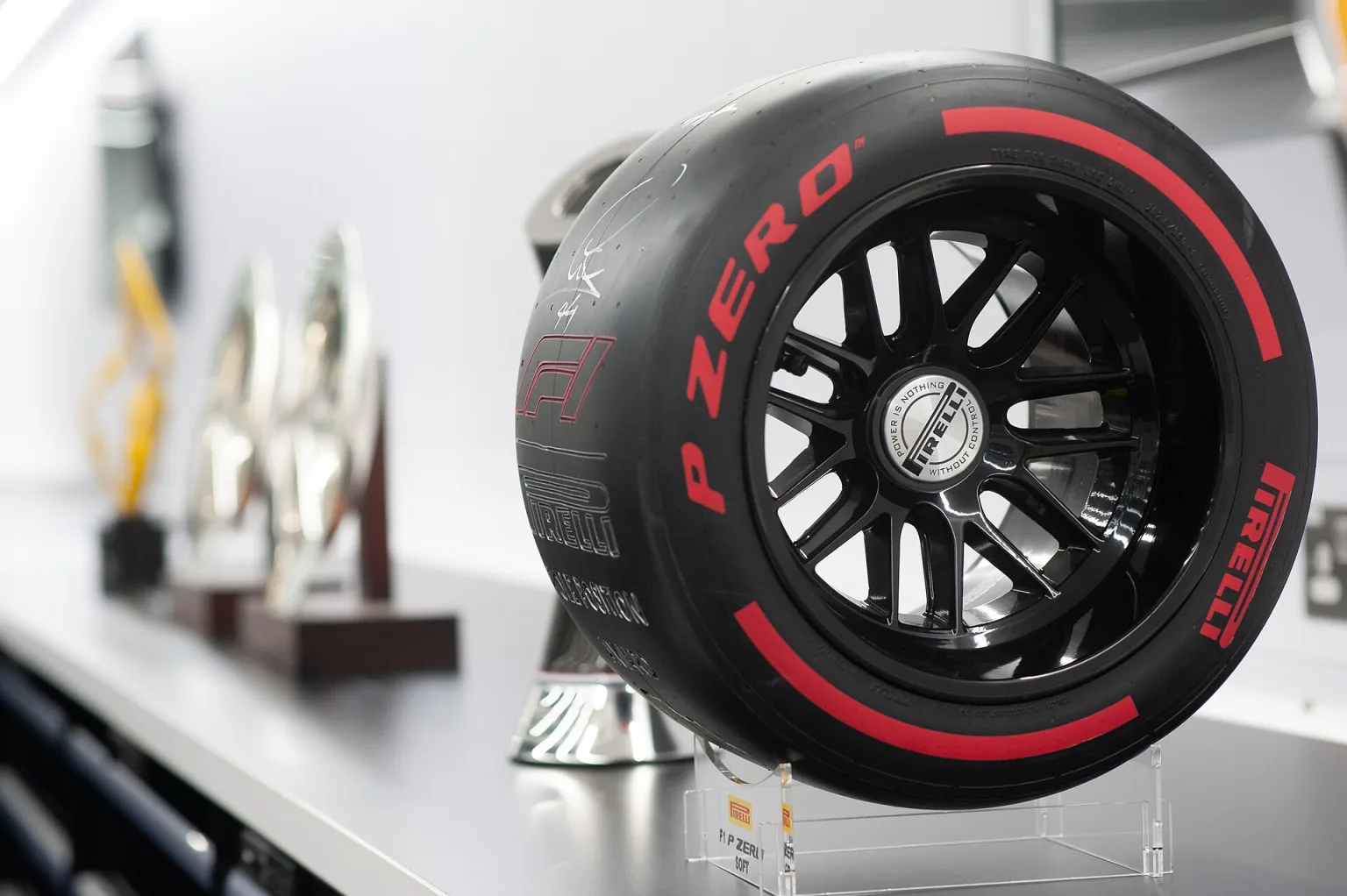
Sainz’s running on Tuesday was focused on evaluating the new soft compounds. The main objective was to address overheating issues that have been a concern with recent generations of Pirelli tyres. His session involved long runs to gather data on tyre consistency and performance over a simulated race distance.
On Wednesday, Leclerc’s session was dedicated to wet-weather development. The track was soaked to varying degrees, allowing Pirelli to test new intermediate compounds under different levels of water on the surface. The goal was to improve the performance and durability of the intermediates, which are crucial for races affected by changing weather.
Test Restrictions and Data Sharing
During official Pirelli tyre tests, teams are prohibited from making any modifications to their cars. This rule ensures that the focus remains strictly on tyre evaluation, preventing any team from gaining a competitive advantage through setup changes or development work unrelated to tyres.
All data collected during these sessions is distributed to every team on the grid. This approach maintains transparency and parity as Formula One prepares for the introduction of new tyre regulations in 2025. By sharing the results, Pirelli and the FIA aim to ensure that no single team benefits disproportionately from the testing process.
Broader Tyre Development Programme
The Paul Ricard test is part of a wider development cycle for the 2025 Pirelli tyres. Earlier in 2024, similar sessions were held at Barcelona, Jerez, and Suzuka. These tests allow Pirelli to gather data across different circuits and conditions, refining the compounds and constructions that will be used in the next season.
Such development work is vital for ensuring the tyres meet the demands of modern Formula One cars, which continue to evolve in terms of speed, downforce, and power delivery. The feedback from drivers like Leclerc and Sainz is crucial for Pirelli as they work to address issues such as overheating, degradation, and wet-weather grip.
Implications for the 2025 Season
The data and feedback collected from these tests will inform the final specification of tyres for the 2025 season. With new regulations on the horizon, tyre performance will play a significant role in shaping team strategies and race outcomes. Teams, drivers, and fans alike will be watching closely as Pirelli continues its test programme in the coming months.