Ferrari to Incur Grid Penalties for Fifth Engine in 2015 F1 Season
Ferrari will exceed Formula One's four-engine limit in 2015, taking grid penalties as it introduces a fifth power unit for Sebastian Vettel later in the season.
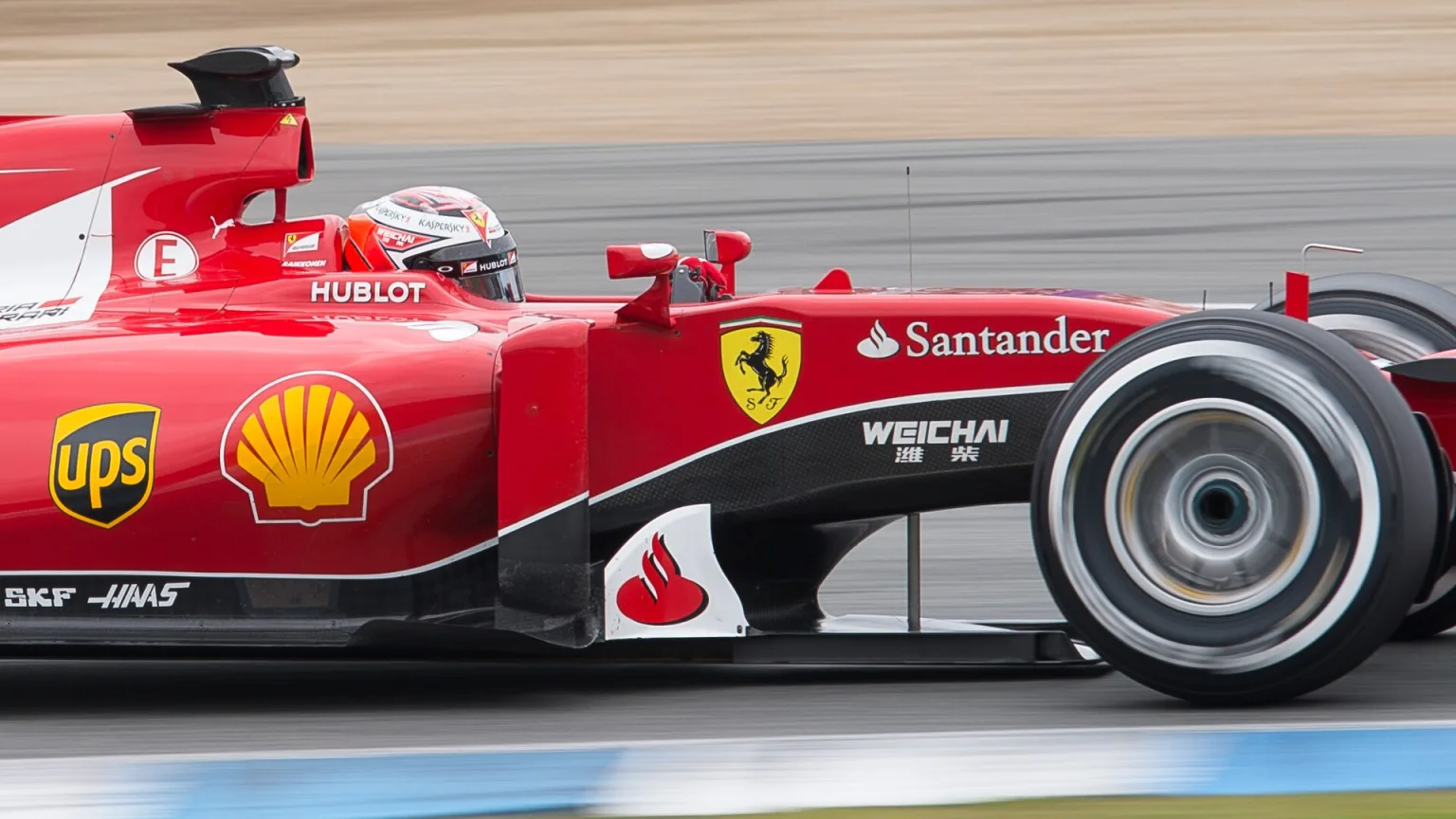
Ferrari will take grid penalties in the 2015 Formula One season after deciding to fit a fifth engine to Sebastian Vettel’s car, breaching the four-engine limit set by the FIA. The new power unit is expected to debut at either the United States or Mexican Grand Prix, both scheduled for late October and early November.
F1 engine allocation rules and Ferrari’s position
Formula One regulations for 2015 restrict each driver to four complete power units for the season. Exceeding this allocation triggers grid penalties, typically a ten-place drop for the first additional engine, with further penalties for subsequent changes. Ferrari’s decision to introduce a fifth engine follows a season-long push to close the performance gap to Mercedes, who have so far managed to avoid breaching the limit.
While Mercedes is on course to complete the season without exceeding the engine cap, other manufacturers have struggled. Honda, supplying McLaren, was granted an extra engine for 2015 due to its status as a returning supplier, while Renault-powered drivers such as Daniel Ricciardo have already served penalties for using a fifth unit.
Ferrari’s strategy: performance over penalties
Ferrari is expected to introduce its upgraded engine at Monza in September, using two of its remaining development tokens. However, this will be Vettel’s fourth and final permitted engine. The team will then prepare a fifth, further developed power unit for later in the season, accepting the inevitable penalty in pursuit of improved performance.
Ferrari’s technical management has indicated that the chance to introduce further upgrades outweighs the short-term disadvantage of a grid drop. The team still holds five unused development tokens, allowing for further technical progress before the end of the season. Ferrari’s approach reflects a willingness to sacrifice track position for the opportunity to advance its power unit programme, with a view to mounting a stronger challenge in future seasons.
Context: grid penalties and the 2015 season
The decision comes as grid penalties for engine changes have become a regular feature in 2015, affecting not only Ferrari but also Renault and Honda-powered teams. The rules were intended to control costs and encourage reliability, but have led to criticism from drivers and team principals who argue that sporting penalties for technical failures penalise drivers unfairly.
With Ferrari now joining the list of teams set to take penalties, the focus shifts to how effectively it can use its remaining development tokens to extract more performance from its 2015 power unit. For more on Ferrari’s engine development plans, see Ferrari to Invest €2 Billion in New Engine Development by 2017.