Fisker Admits Bankruptcy a Likely Option as Struggles Mount
Fisker Automotive told US lawmakers it may seek bankruptcy protection after failing to secure new investment, halting production and cutting most of its workforce.
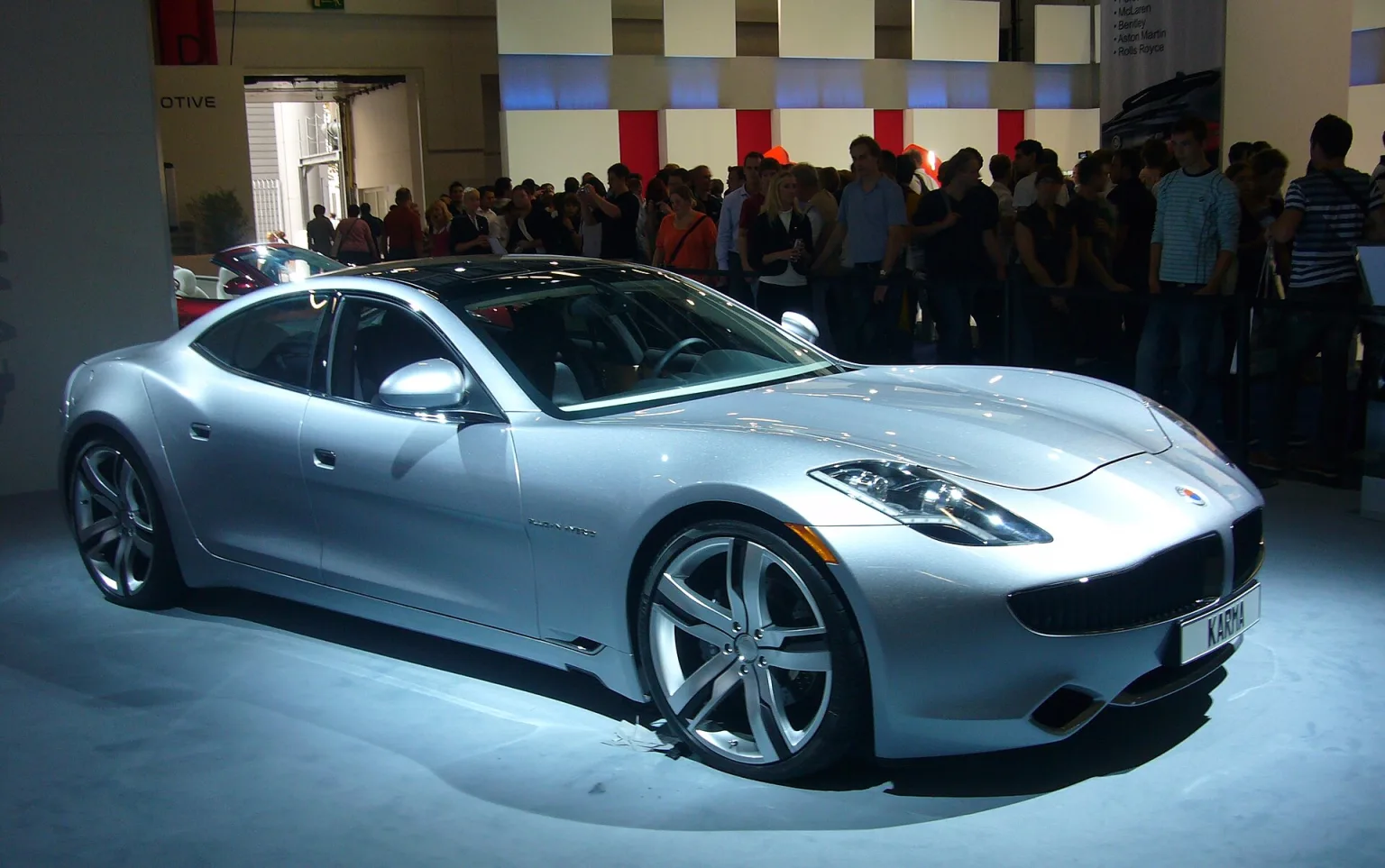
Fisker Automotive, a company once seen as a promising player in the plug-in hybrid market, is now on the brink of bankruptcy. On 24 April 2013, during a US congressional hearing, Fisker’s leadership admitted that the company may have no choice but to seek bankruptcy protection. This revelation followed months of unsuccessful attempts to attract new investors or find a buyer willing to take over its troubled operations.
Fisker's Mounting Financial Crisis
Production at Fisker’s manufacturing plant has been at a standstill since July 2012. In the weeks leading up to the congressional hearing, the company dismissed approximately three quarters of its workforce. These drastic measures underscored the severity of Fisker’s financial situation and its inability to continue normal business operations.
Government Loans and Oversight
The House Oversight and Government Reform Committee released documents revealing that Fisker’s financial and quality issues were more severe than previously known. Despite these concerns, the US Department of Energy (DOE) initially approved a $529 million loan package for Fisker. By June 2011, after Fisker missed several agreed milestones, the DOE froze further disbursements, leaving the company with only $192 million of the planned funding.
The DOE attempted to support Fisker by extending deadlines and permitting the company to access an additional $37 million in private funding in 2011. However, Fisker continued to face operational setbacks and failed to meet the targets required to unlock additional government support.
Compounding Problems: Suppliers and Quality Issues
Fisker’s troubles were exacerbated by the bankruptcy of its battery supplier, A123 Systems, in 2012. The collapse of A123 Systems left Fisker without a reliable source of batteries for its plug-in hybrid vehicles, halting production and making it even harder to recover. Alongside supply chain disruptions, Fisker was also plagued by multiple quality issues and recalls, further eroding consumer and investor confidence in the brand.
The combination of halted production, supplier bankruptcy, and ongoing quality problems meant that Fisker was unable to deliver vehicles or generate revenue, deepening its financial distress. Despite efforts to stabilise the company, including seeking new investment and government assistance, no solution was found by April 2013.
Potential Consequences of Bankruptcy
At the congressional hearing, Fisker’s co-founder Bernhard Koehler stated that bankruptcy protection was a likely outcome as the company struggled to preserve value for its remaining stakeholders. If Fisker proceeds with bankruptcy, its assets would likely be sold to pay creditors. This would leave the future of the Fisker brand and its vehicles uncertain.
Owners of the Fisker Karma plug-in hybrid could face difficulties obtaining parts or support, as the company’s ability to provide after-sales service would be severely limited. The remaining employees would likely lose their jobs, and suppliers might not recover outstanding payments. Investors and creditors would also be at risk of significant losses.
Background: Fisker’s Ambitions and Setbacks
Fisker Automotive was founded with the ambition to be a leader in the plug-in hybrid vehicle market. Its flagship model, the Fisker Karma, attracted attention for its design and technology. However, the company’s rapid expansion and reliance on government loans made it vulnerable to setbacks. Production delays, technical problems, and the bankruptcy of key suppliers all contributed to its current crisis.
The situation at Fisker highlights the risks faced by start-ups in the automotive industry, especially those dependent on emerging technologies and external funding. The company’s experience may serve as a cautionary tale for other firms seeking to enter the competitive electric and hybrid vehicle markets.