Fisker Job Cuts Spark US Political Criticism Over Green Loans
Fisker Automotive’s decision to lay off 75% of its workforce in April 2013 reignited scrutiny of US government clean-energy loans following high-profile setbacks.
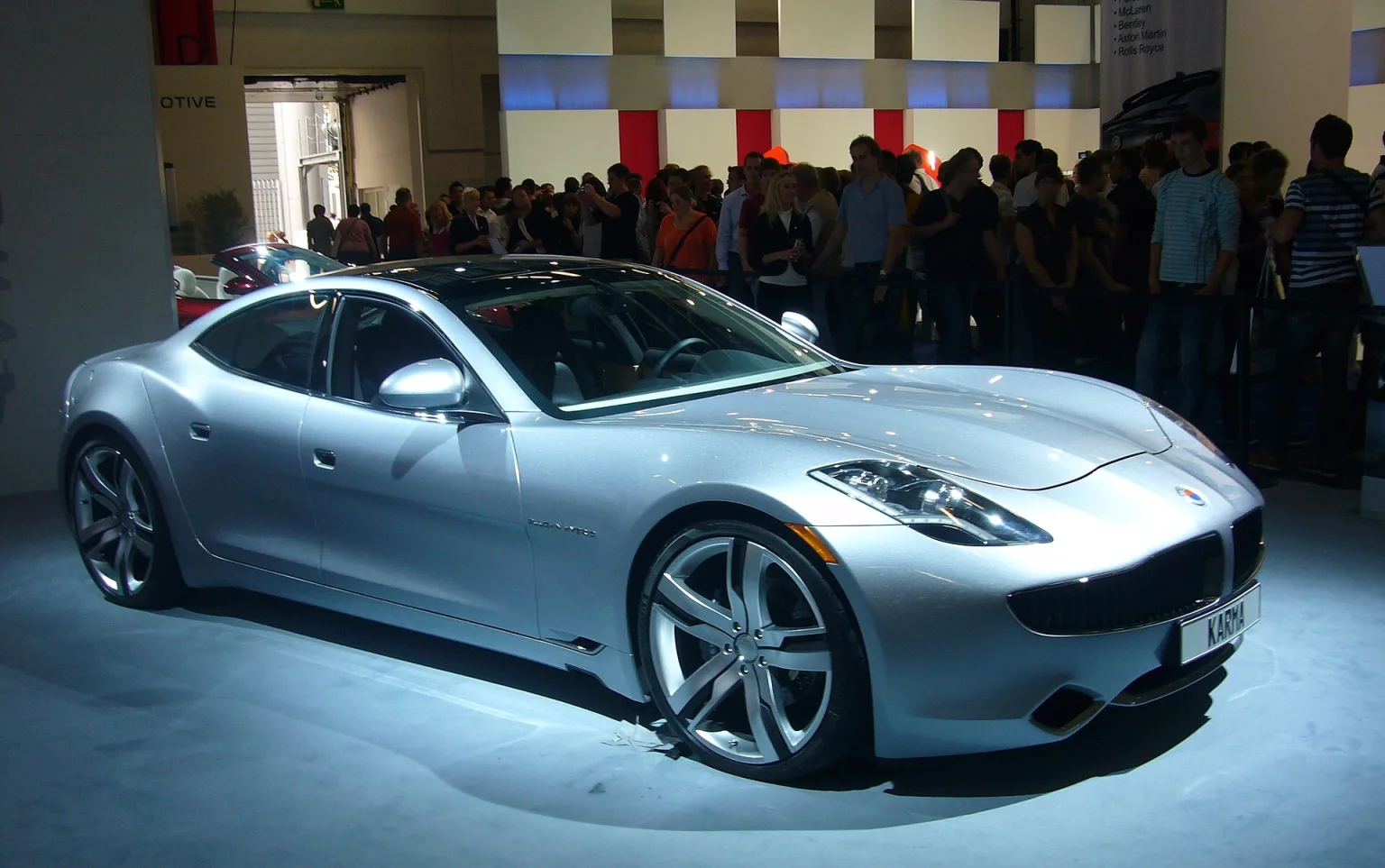
Fisker Automotive dismissed around 75% of its workforce in early April 2013, after failing to secure new investment to keep operations running. The move intensified political criticism of the US government’s clean-energy loan programme, which had previously channelled $529 million to the struggling electric car start-up.
The Department of Energy (DOE) had stopped payments to Fisker in 2011 after the company missed agreed milestones. By April 2013, Fisker had not built a car for seven months, having lost its battery supplier A123 Systems to bankruptcy. A123 itself had received a $249.1 million federal grant before its assets were sold to China’s Wanxiang Group.
The layoffs at Fisker, which affected around three-quarters of its staff, followed the company’s unsuccessful attempts to find a strategic partner or buyer. The company had been seeking new investment since the DOE froze loan payments, and the staff cuts signalled that Fisker was running out of options to remain solvent.
Political response and scrutiny of clean-energy loans
US politicians responded with renewed criticism of the government’s vetting of clean-energy investments. Senator Chuck Grassley of Iowa argued that the DOE had failed to acknowledge its mistakes in selecting Fisker and A123 as suitable recipients of taxpayer-backed funding. The controversy echoed earlier criticism of the DOE’s handling of high-profile bankruptcies in the clean-tech sector.
A DOE spokesperson reiterated that payments to Fisker had been halted in 2011, stating the department was focused on protecting taxpayer interests. The agency maintained that it had taken action once Fisker stopped meeting its obligations under the loan agreement.
Failed suppliers and blocked funding
Fisker’s difficulties were compounded by the collapse of A123 Systems, which had supplied lithium-ion batteries for the Karma sedan. When A123 filed for bankruptcy and was acquired by Wanxiang Group, Fisker lost its only battery supplier, halting production and further undermining investor confidence.
The DOE’s decision to block further loan disbursements left Fisker unable to fund development or restart production. The company’s founder, Henrik Fisker, had resigned earlier in 2013, citing disagreements over the firm’s direction. With the workforce reduced to a small core team, Fisker’s future was left uncertain, and the company became a focal point in the debate over government support for emerging green-tech firms.
Context: Government-backed job cuts in the sector
- Fisker Automotive: 75% workforce cut in April 2013 after failed funding search.
- A123 Systems: Bankrupt in 2012, assets sold to Wanxiang Group.
- DOE: Halted Fisker loan in 2011 after missed milestones.
- Henrik Fisker: Resigned as company founder in early 2013.