Geely Backs Away from Final Bid for Fisker Automotive
Geely has decided not to pursue a majority stake in Fisker Automotive, citing US government loan conditions tied to the Delaware plant as a key obstacle.
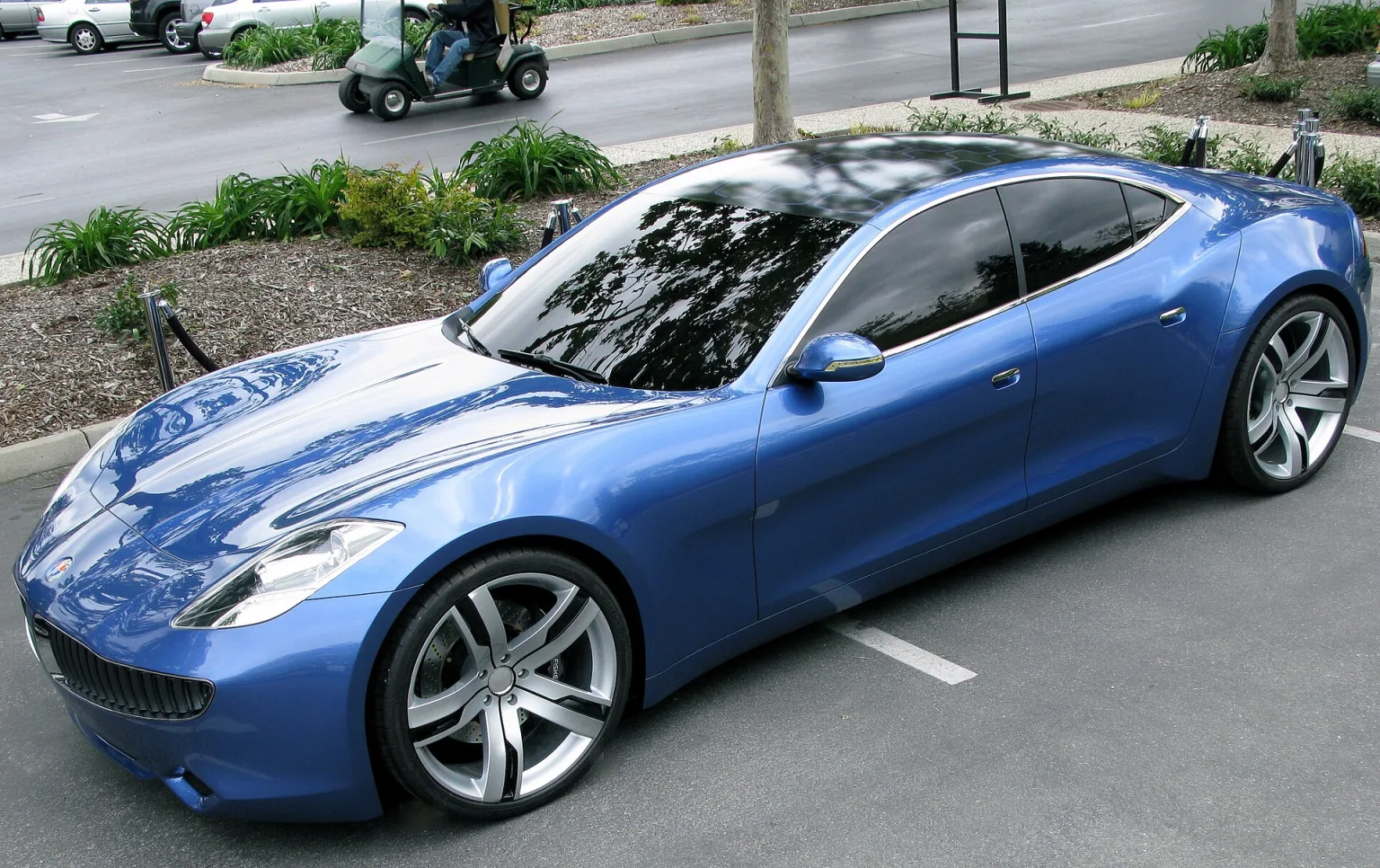
Geely has withdrawn from the running to acquire a majority stake in Fisker Automotive, after determining that obligations attached to the US government’s Department of Energy loan made the deal too complex and risky.
The Chinese group, which owns Volvo, had been considered a leading candidate to take over the troubled American electric car manufacturer. Fisker, best known for its Karma plug-in hybrid, had been seeking a buyer after production stopped and cash reserves dwindled. Geely’s interest was driven in part by Fisker’s Delaware factory, a former General Motors site that could have supported Geely’s ambitions to manufacture vehicles in the US.
According to a source familiar with the matter, the sticking point was the Department of Energy’s $529 million loan to Fisker. The loan was conditional on the restoration of jobs and production capacity at the Delaware plant, following a schedule set by the US government. Geely reportedly concluded that meeting these terms would require a substantial and potentially risky commitment, with a lengthy timeline to return the plant to full operation.
Why the Delaware plant mattered
For Geely, the Delaware facility was more than just a production site. It represented a foothold for building Volvo and potentially other models in the US, supporting the company’s strategy to expand its American presence. The plant’s size and existing infrastructure were attractive, but the government’s requirement to restore jobs and capacity on a set schedule added layers of complexity.
The scale of the obligations, both in terms of job restoration and plant utilisation, appeared to outweigh the immediate benefits for Geely. The company reportedly assessed that it would take considerable time and investment to fill the plant with enough product to meet the government’s requirements, increasing the risk profile of the acquisition.
What next for Fisker?
Fisker’s situation highlighted the challenges for foreign investors looking to acquire distressed US automotive assets when government funding is involved. The outcome would depend on whether any bidder could accept or renegotiate the terms tied to the Department of Energy loan.