GM Faces Reputation Risk as Ignition Switch Recall Widens
General Motors’ recall of 1.6 million vehicles over a faulty ignition switch has triggered a US federal probe and could expose the company to substantial fines and lawsuits.
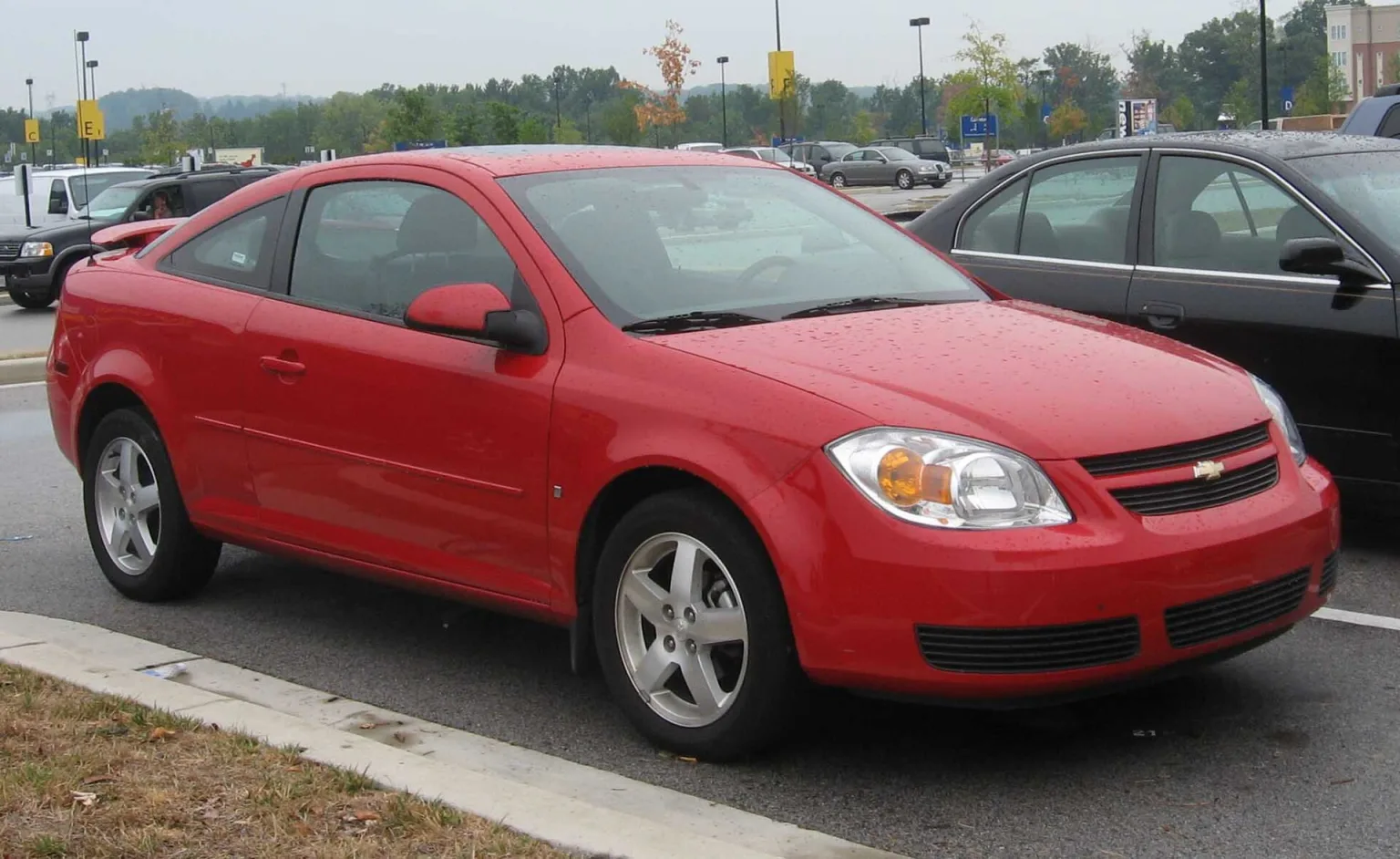
General Motors’ handling of its ignition switch recall has placed the company under intense scrutiny from US safety regulators and the public, with the potential to damage its brand for months to come. The recall, which covers nearly 1.6 million vehicles, centres on an ignition defect linked to 13 fatalities, and the National Highway Traffic Safety Administration (NHTSA) is investigating whether GM acted quickly enough to protect drivers.
The ignition switch fault can cause the engine to shut off unexpectedly during driving, disabling power steering, anti-lock brakes and airbags. This presents a serious safety risk, especially if the vehicle loses power in traffic or during an accident. GM’s recall affects several models built in the 2000s, and the company has faced criticism over how long it took to initiate the recall after first becoming aware of the problem.
Federal investigation and possible penalties
The NHTSA’s investigation focuses on the timing of GM’s actions. If the agency finds that GM failed to act promptly or misled regulators, the company could face a fine of up to $35 million under current US law. While the monetary penalty is substantial, the greater threat is the prospect of civil lawsuits from families of victims and affected owners, which could bring much higher costs and further negative publicity.
Reputational impact and industry reaction
For GM, the reputational risk may outweigh the immediate financial costs. The recall and investigation keep the company’s safety record in the headlines and could erode consumer trust. US car buyers have historically moved on from recalls if companies act swiftly and transparently, but extended negative coverage can linger, especially when fatalities are involved. Marketing experts suggest that GM must be proactive and open in its response if it is to limit long-term damage.
What owners and dealers face
Owners of affected GM vehicles are being contacted for repairs, but the scale of the recall means some may face delays in getting their cars fixed. Dealers must manage customer concerns and handle increased workshop demand. For GM’s workforce, the company’s response to the crisis will be closely watched as it could affect morale and future sales performance.
The outcome of the NHTSA investigation and the company’s legal exposure will determine how long the issue remains in the public eye. For now, GM’s recall remains a test of how the company manages a major safety crisis and whether it can restore trust with buyers and regulators.