Hamilton’s Silverstone Hopes Hit by Oil Leak and Hay Fever
Lewis Hamilton’s attempt to close the championship gap at his home Grand Prix was hampered by a practice oil leak and persistent hay fever symptoms.
Lewis Hamilton arrived at Silverstone for the 2014 British Grand Prix with both high hopes and mounting challenges. Trailing his Mercedes teammate Nico Rosberg by 29 points in the Formula One drivers' standings, Hamilton was determined to use his home race as a platform to regain momentum in the title fight. However, a combination of technical problems and personal discomfort threatened to disrupt his weekend and his championship ambitions.
Hamilton’s Homecoming: A Crucial Weekend
The British Grand Prix at Silverstone is always a special occasion for Hamilton. As a former world champion and one of Britain's most celebrated drivers, he arrived with the support of a passionate home crowd and the expectation of a strong performance. The 2014 season had seen the balance of power shift between the Mercedes teammates, with Rosberg gaining the upper hand following the Monaco Grand Prix. Hamilton, keenly aware of the importance of every race in a tightly contested championship, saw Silverstone as a turning point, a chance to claw back points and reassert himself as a title contender.
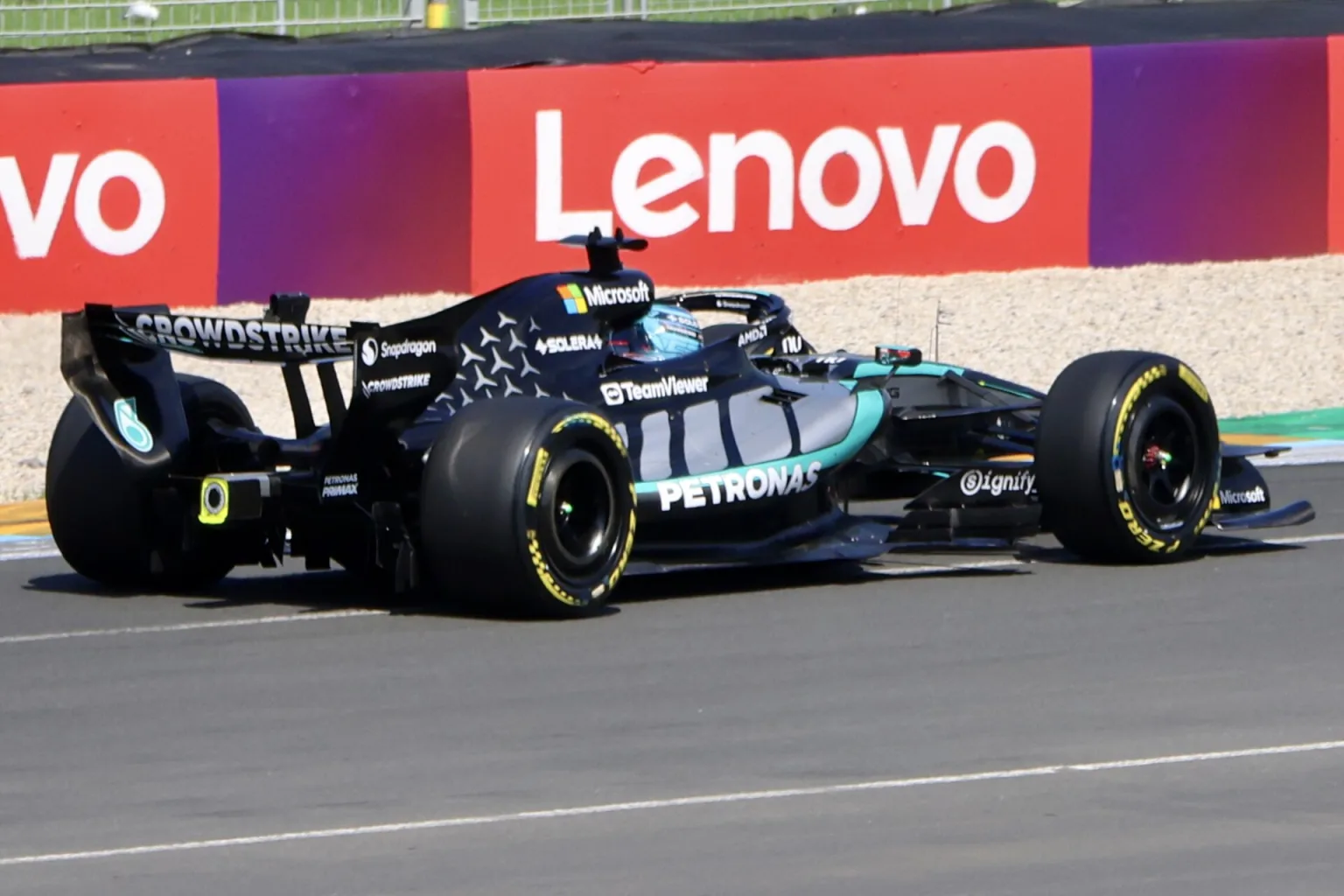
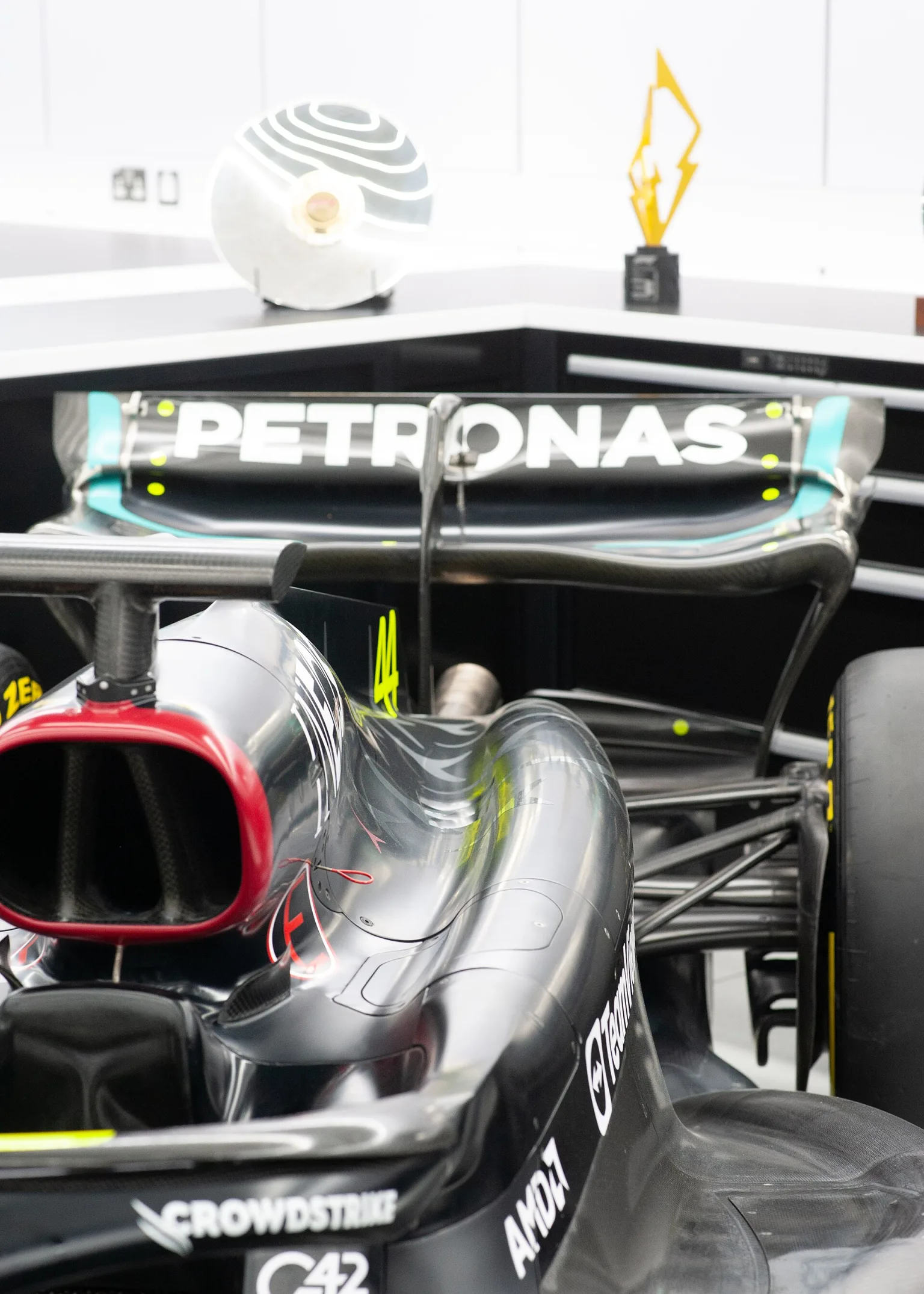
Yet, even before the weekend was fully underway, Hamilton’s plans were disrupted. During Friday’s opening practice session, he set the fastest time, underscoring the pace of the Mercedes W05. However, his session was cut short by an oil leak, forcing the team to halt his car as a precaution. This was not an isolated incident; Hamilton had already experienced several technical issues throughout the season, and the recurrence of problems on his side of the garage was becoming a source of frustration.
Technical Troubles: Oil Leak in Practice
The oil leak that ended Hamilton’s Friday running was a significant setback. Practice sessions are crucial for gathering data, fine-tuning the car’s setup, and preparing strategies for qualifying and the race. Losing valuable track time limited Hamilton’s ability to optimise his car for the unique demands of Silverstone, a fast and challenging circuit where small setup differences can have a big impact.
Mercedes engineers stopped Hamilton’s car to prevent potential engine damage, but the team did not immediately disclose the exact cause of the issue. The timing was particularly frustrating given Hamilton’s strong pace and his determination to regain momentum. After the session, Hamilton voiced his disappointment, noting the frequency of technical issues affecting his car and emphasising how much he needed a trouble-free weekend to close the gap to Rosberg.
Every lap lost in practice can have a knock-on effect throughout the weekend. Less time on track means less opportunity to dial in the car’s handling, understand tyre behaviour, and adapt to changing conditions. For Hamilton, the setback increased the pressure on both himself and the team to resolve any reliability concerns before the all-important qualifying session.
Physical Setbacks: Hay Fever at Silverstone
Hamilton’s difficulties at Silverstone were not limited to mechanical issues. During his media briefing on Friday, a Mercedes team member handed him a hay fever tablet, highlighting another challenge: the high pollen count in the Northamptonshire countryside. While hay fever may seem a minor inconvenience compared to technical failures, for a racing driver, even mild discomfort can be distracting and impact concentration during high-speed sessions.
Despite the discomfort, Hamilton remained resolute. He acknowledged the challenge but focused on the support of his home crowd and the performance of his car. The physical setback was an additional hurdle, but not one he intended to let derail his efforts at Silverstone.
Team Dynamics: Managing Rivalry and Communication
As the championship battle between Hamilton and Rosberg intensified, so did the rivalry within the Mercedes team. Both drivers, supported by their own groups of engineers and team members, were fighting for supremacy not just on the track but within the garage. This competitive atmosphere, while driving performance, risked undermining team unity.
At Silverstone, Mercedes management addressed growing concerns about communication between the two camps. Team principal Toto Wolff described a situation in which both drivers declined to share feedback during group debriefs, only to have detailed technical discussions with their own engineers afterwards. This reluctance to collaborate openly was seen as a sign of the growing divide between the Hamilton and Rosberg camps.
Wolff indicated that the team worked to resolve these issues, aiming to maintain a constructive environment as the championship fight intensified. With both drivers vying for the title, ensuring clear communication and mutual respect within the garage became as important as the technical performance of the car.
Rivals’ Perspective: Mercedes’ Pace and the Competition
Despite the internal challenges, Mercedes remained the benchmark for performance in Formula One. Red Bull’s Sebastian Vettel remarked that, if everything ran normally, Mercedes could be expected to achieve a one-two finish at every circuit. Williams’ Pat Symonds also believed that the team’s dip in performance at the previous race in Austria was likely an anomaly, expressing confidence that Mercedes would reassert their dominance at Silverstone.
These assessments from rival teams highlighted the importance of reliability and internal harmony for Mercedes. The team’s technical superiority was clear, but the combination of mechanical issues and heightened rivalry meant that nothing could be taken for granted in the title race.
Championship Implications: The Cost of Setbacks
As the 2014 season approached its midpoint, the battle between Hamilton and Rosberg was shaping up to be one of the fiercest intra-team contests in recent memory. With Rosberg leading the standings, Hamilton needed every opportunity to claw back points. The loss of track time on Friday was therefore more than a minor inconvenience; it was a setback that could have ramifications for the remainder of the weekend and the championship as a whole.
Qualifying at Silverstone is highly competitive, with small margins often separating the front runners. Any compromise in setup or preparation can make the difference between pole position and starting further down the grid. For Hamilton, maximising every session was essential if he was to overturn Rosberg’s advantage and reignite his title challenge in front of his home fans.
The psychological aspect of the rivalry added another layer of complexity. Each driver was not only racing for points but also seeking to establish themselves as the team’s lead contender. The balance of power within Mercedes was as much about mindset as it was about results on the track.
Looking Ahead: Hamilton’s Resilience
Hamilton’s determination to overcome adversity at Silverstone reflected the resilience that had defined his career. The combination of technical issues and hay fever posed significant obstacles, but his focus remained on delivering a strong performance at his home Grand Prix. The support of the British crowd and the underlying speed of the Mercedes W05 offered hope that he could still mount a challenge over the remainder of the weekend.
For Mercedes, the British Grand Prix represented both an opportunity and a test. The team’s ability to resolve reliability concerns, manage internal dynamics, and maintain their competitive edge would be critical in determining the outcome of the championship battle between their two drivers.
Summary Table: Hamilton’s Silverstone Setbacks
| Setback | Impact |
|---|---|
| Oil leak in Friday practice | Limited track time, affected car setup and race preparation |
| Hay fever symptoms | Physical discomfort, potential distraction during sessions |
| Intensifying intra-team rivalry | Potential impact on communication and team harmony |
Conclusion: A Pivotal Weekend for Hamilton and Mercedes
The events of the Silverstone weekend encapsulated the challenges facing Lewis Hamilton in his quest for the 2014 Formula One title. Mechanical reliability, physical wellbeing, and team dynamics all played a role in shaping his prospects. As the season progressed, the ability to overcome such setbacks would be crucial, not just for Hamilton, but for Mercedes as a whole.
With the championship battle finely poised, every detail mattered. Hamilton’s early setback at Silverstone was a reminder that even the fastest car and the most talented driver are not immune to the unpredictable nature of motorsport. The outcome of the British Grand Prix would be watched closely, not just for its impact on the standings, but for what it revealed about the resilience and unity of the Mercedes team under pressure.