Honda concedes Formula One return tougher than planned
Honda has acknowledged the challenge of its 2015 Formula One comeback, with performance and reliability issues hampering progress alongside McLaren.
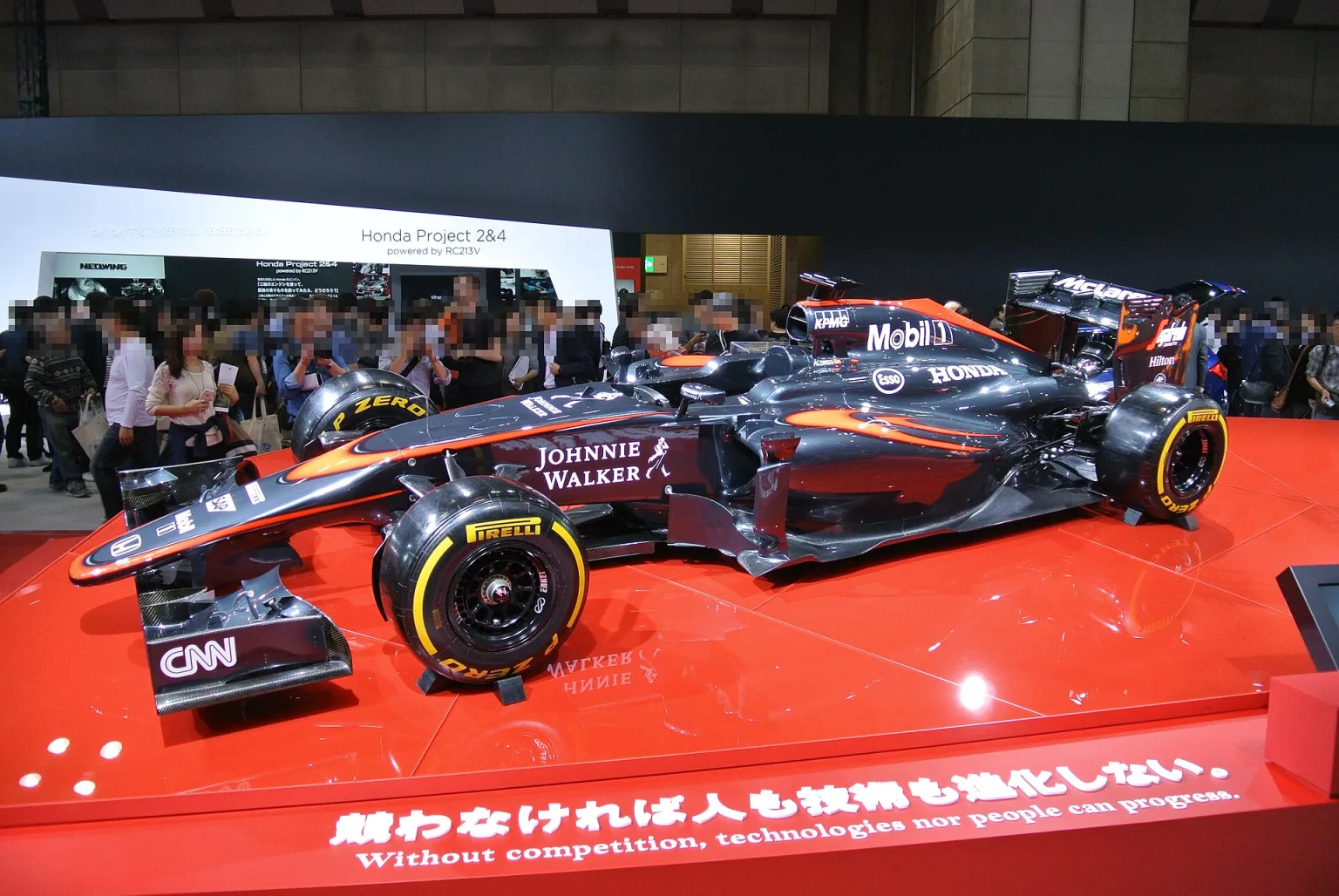
Honda has publicly admitted its 2015 return to Formula One with McLaren has not gone as smoothly as anticipated, citing unexpected technical and competitive challenges with its turbo hybrid power unit. The Japanese manufacturer, which rejoined the grid as McLaren’s exclusive engine partner, has faced a season of reliability issues and a notable performance gap to front-running teams.
McLaren’s partnership with Honda was expected to revive the success of their late-1980s collaboration, but the 2015 season has been marked by retirements and a lack of competitiveness. McLaren’s racing director Eric Boullier has referenced a power shortfall of around 120 horsepower compared to leading rivals, a figure that has left the team unable to challenge for podiums.
Technical hurdles and development strategy
Honda’s F1 chief Yasuhisa Arai confirmed the company underestimated the scale of the challenge, particularly under the sport’s hybrid turbo regulations. The manufacturer is preparing a significant upgrade package for the Belgian Grand Prix at Spa, focusing on changes to the combustion chamber, intake and exhaust system. This will use some of the seven remaining FIA development tokens available for in-season engine improvements.
Despite the setbacks, Honda is persisting with its compact power unit layout, which Arai says will ultimately prove competitive. The company believes the radical approach is necessary to close the gap to Mercedes and Ferrari, even if the initial results have fallen short of expectations. Honda maintains that most early reliability issues have now been addressed, allowing the focus to shift towards extracting more performance.
Pressure and partnership with McLaren
The difficulties have put pressure on both Honda and McLaren, with media speculation about internal tensions and sponsor dissatisfaction. Arai has downplayed reports of high-level discord, insisting that both sides remain committed to the project and are working closely to overcome the setbacks. He also acknowledged that Honda’s approach to development differs from McLaren’s, but described the clash of methods as a sign of shared commitment rather than a fundamental problem.
Honda’s return comes at a time when Formula One’s technical complexity is at its highest, with hybrid systems and strict fuel-flow limits making engine development a greater challenge than in previous eras. The company’s admission of underestimating the task reflects the steep learning curve faced by new or returning manufacturers in the hybrid era.
Looking ahead to Spa and beyond
With the summer break underway for most teams, Honda is continuing development without pause, aiming to deliver its next upgrade at Spa. The hope is that the new specification will address some of the performance deficit and improve reliability, but the scale of the challenge means expectations for a rapid turnaround remain cautious. McLaren-Honda’s prospects for the remainder of 2015 and beyond will depend on how quickly the partnership can convert technical progress into on-track results.