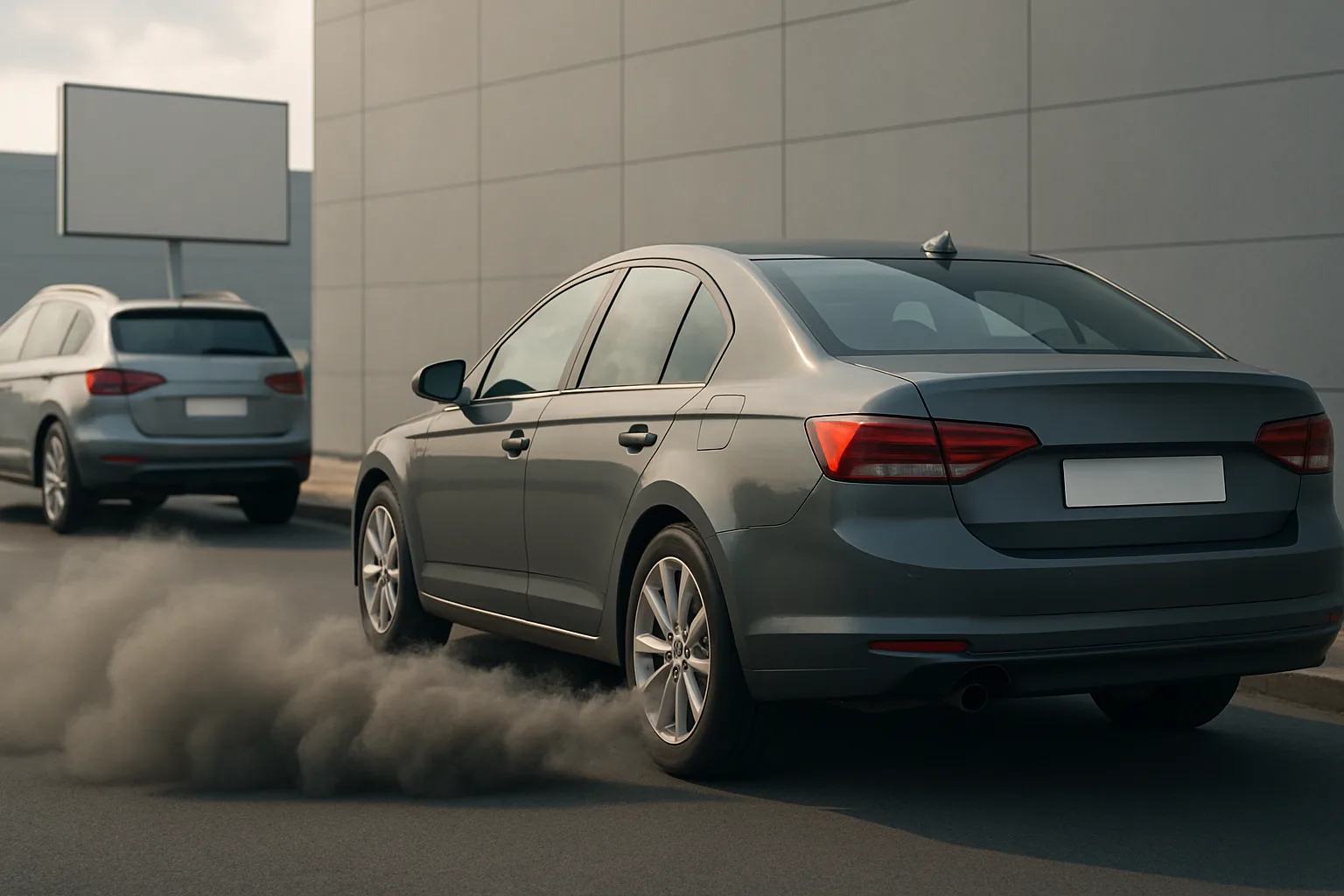
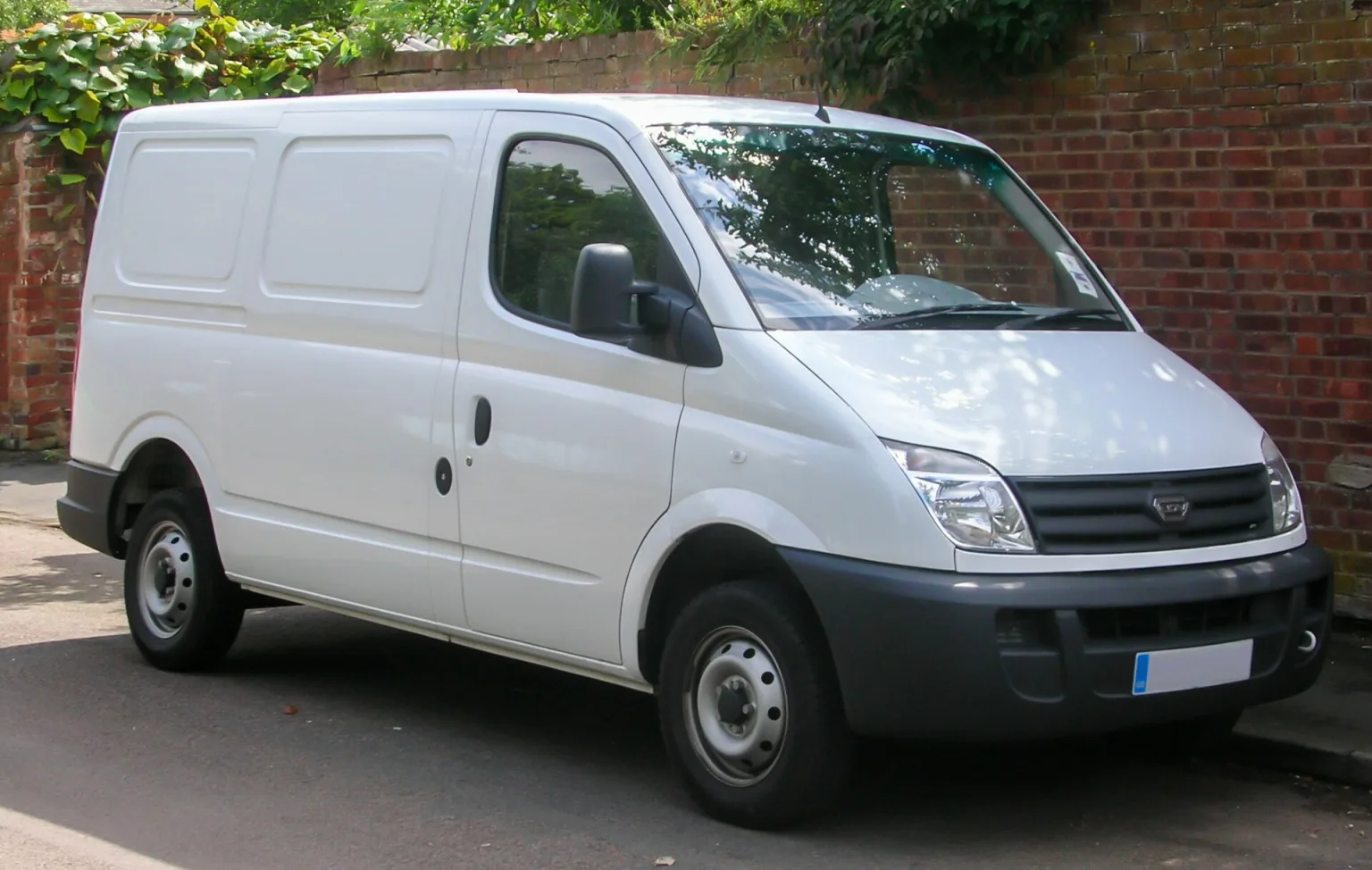
Paris restricts nearly 60% of cars as pollution peaks
Authorities barred older and higher-emitting vehicles from the capital and surrounding towns, making public transport free as ozone levels reached health risk thresholds.
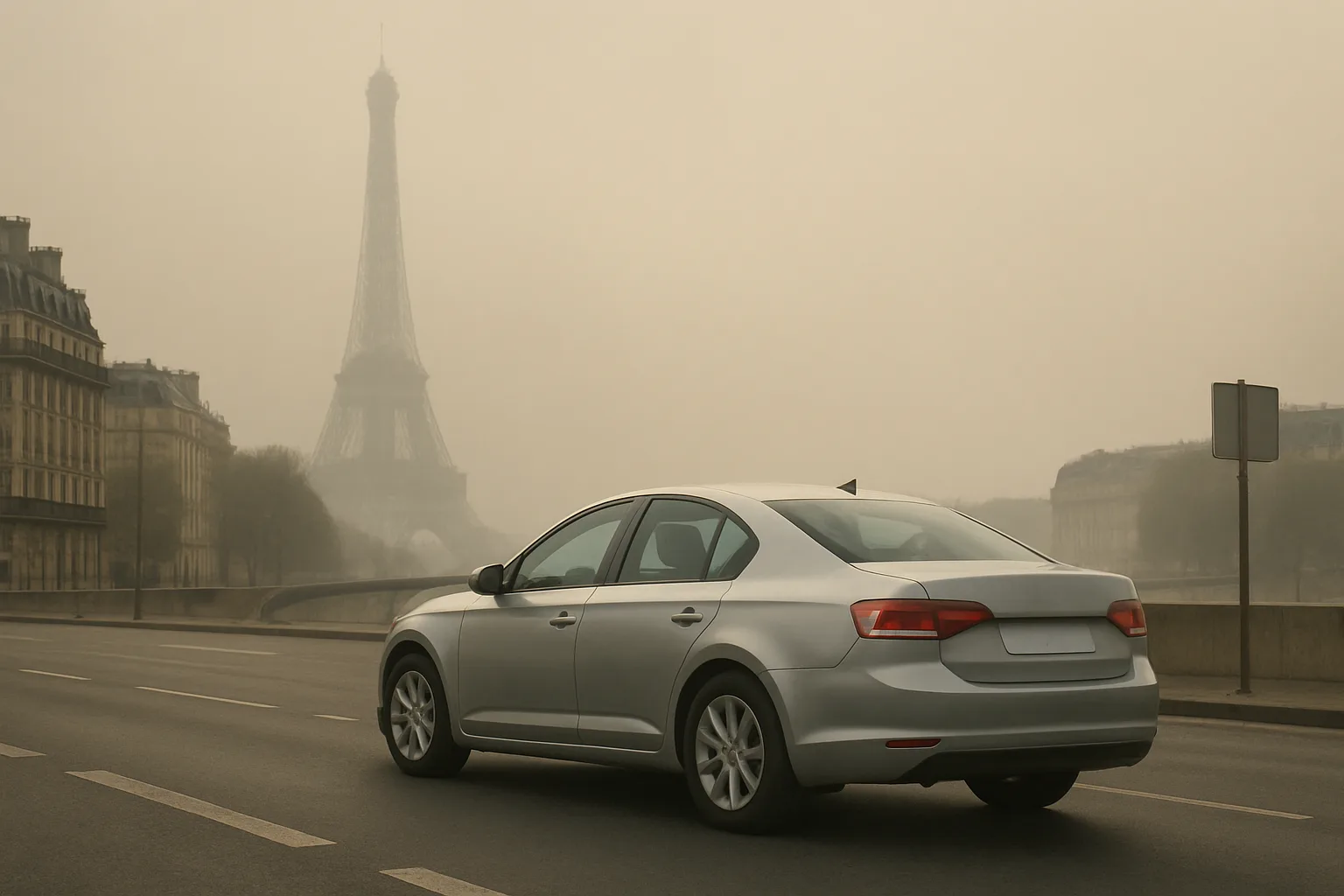
Paris authorities imposed the most extensive car ban in the city’s history in late June 2019, barring nearly 60% of registered vehicles from the capital and 79 surrounding towns after a heatwave pushed air pollution to record highs. The measures, enforced within the A86 ring-road, targeted older and higher-emitting vehicles under the Crit’Air sticker system.
The restrictions excluded only electric or hydrogen vehicles, petrol cars registered after January 2006, and diesel cars from January 2011 onwards, those qualifying for Crit’Air 1 and 2. All others, including older diesels and pre-2006 petrol cars, were ordered off the roads for the duration of the high pollution alert. According to AAA Data, almost five million vehicles in the region were affected, amounting to around 60% of the total fleet.
Enforcement and compliance
While traffic in Paris was lighter than usual, city officials and local media reported that compliance was mixed. Some drivers continued to use banned vehicles, citing the relatively low fines—€68 for cars and €135 for vans, as insufficient deterrent. Police issued thousands of tickets in a single day, but the overall reduction in traffic was less dramatic than the scale of the ban might suggest.
To encourage compliance and offer alternatives, authorities made public transport, the Velib bike-share and the Autolib electric car scheme free for the day. Speed limits were also reduced across the capital. These steps followed similar measures in previous pollution peaks, but the June 2019 restrictions were the broadest yet imposed in Paris.
Long-term policy and industry response
The Crit’Air system, introduced by the city council, classifies vehicles by age and emissions, forming the basis for both temporary and permanent restrictions. Trucks and cars with Crit’Air 5 registration (pre-2001 diesels) and vehicles without a sticker have been banned from central Paris since 2017. From July 2019, the city planned to extend permanent bans to Crit’Air 4 vehicles, diesel cars registered between 2001 and 2005 and some trucks up to 2009, within the A86.
Paris’s long-term plan is to tighten these criteria until only electric and hydrogen-powered vehicles remain on Greater Paris roads by 2030. Car owner lobbies criticised the effectiveness of the bans, arguing that the restrictions were excessive and not the most efficient way to reduce pollution. The city, however, cited persistent health risks and the frequency of pollution peaks as justification for escalating measures.
Impact on drivers and transport patterns
For drivers, the immediate effect was disruption and, in some cases, fines. Many commuters turned to public transport or shared mobility schemes. While the ban’s short duration limited its impact on long-term behaviour, it signalled the city’s readiness to use wide-ranging restrictions during future pollution events. The move also highlighted the growing regulatory pressure on older diesel and petrol vehicles in European capitals.
Paris’s approach mirrors similar policies in other cities facing severe air quality issues, including Beijing and Rome. The city council’s strategy points towards a future in which high-emission vehicles will be progressively excluded from urban centres, with implications for manufacturers, owners and the second-hand market. For more on Paris’s evolving vehicle restrictions, seeParis Mayor Plans to Ban Old Motorcycles Cars Suvs and Trucks from the City.