India’s Olympic Medal Winners Receive Audi Q5, Other Athletes Awarded Suzuki SX4
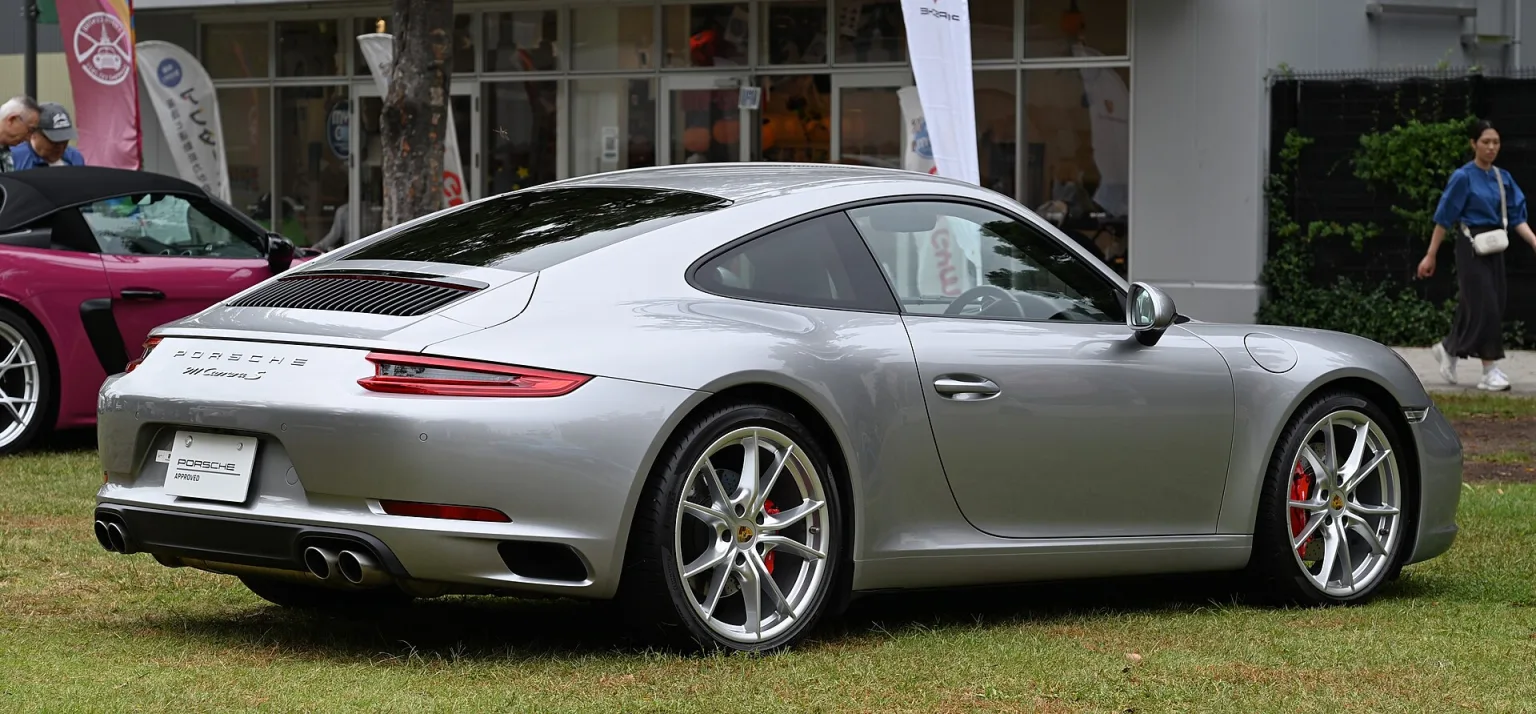
Indian medalists from the 2012 London Olympics were presented with Audi Q5 SUVs, while non-medalist Olympians received Suzuki SX4 sedans in a ceremony sponsored by DLF.

In August 2012, Indian athletes who competed at the London Olympics were honoured in a ceremony that reflected the nation’s growing appreciation for sporting achievement. The standout feature of this event was the awarding of new cars to all members of India’s Olympic contingent. The medal-winning athletes were each presented with a new Audi Q5 SUV, while the other team members, who participated but did not win medals, received Suzuki SX4 sedans. This gesture was made possible through a collaboration between DLF, one of India’s largest real estate firms, and government partners.
Recognition for Indian Olympic Athletes at London 2012
Details of the Awards
The Audi Q5, a premium midsize SUV, was chosen as a reward for those who reached the Olympic podium. Wrestlers Sushil Kumar and Yogeshwar Dutt, shooter Gagan Narang, and badminton player Saina Nehwal were among the recipients. Each of these athletes had secured a medal at the London Games, contributing to India’s tally of two silver and four bronze medals in 2012. This marked the country’s strongest Olympic performance up to that point.
For the rest of the Indian Olympic squad, who had competed valiantly but did not win medals, a special edition Suzuki SX4 sedan was awarded. The SX4, while more modest compared to the Audi Q5, was a popular and reliable sedan in the Indian market at the time. The choice of the SX4 reflected an effort to recognise the dedication and hard work of all athletes representing India on the world stage, not just those who secured medals.
Medalists and Their Achievements
- Sushil Kumar (Wrestling): Silver medal
- Yogeshwar Dutt (Wrestling): Bronze medal
- Gagan Narang (Shooting): Bronze medal
- Saina Nehwal (Badminton): Bronze medal
In total, India’s medal haul at the 2012 Olympics included two silver and four bronze medals. These achievements were celebrated not only with the awarding of high-value vehicles but also with widespread public recognition. The success of these athletes inspired a new generation of sports enthusiasts across the country.
Role of DLF and Government Partners
DLF, the largest realty firm in India, played a central role in sponsoring the gifts. The company has a history of supporting sporting events and initiatives across the country. By providing these cars in partnership with government agencies, DLF aimed to honour the country’s Olympic representatives and encourage continued excellence in sport. This gesture was part of the company’s broader involvement in promoting Indian athletes and contributing to the development of sports infrastructure and recognition.
Significance of the Gesture
The awarding of cars to Olympic athletes, both medalists and non-medalists, sent a message of appreciation and encouragement. While the Audi Q5 symbolised the highest achievement, the Suzuki SX4s given to all other participating athletes recognised the effort and commitment required to reach the Olympic level. Such gestures can boost morale and inspire athletes to strive for even greater success in future competitions.
This approach also highlighted the importance of supporting athletes beyond just those who reach the podium. By acknowledging the contributions of the entire Olympic contingent, the organisers reinforced the value of participation, perseverance, and national representation.
Overview of the Vehicles Awarded
| Vehicle | Recipient Group | Key Features |
|---|---|---|
| Audi Q5 | Medalists | Premium midsize SUV, luxury features, high performance |
| Suzuki SX4 (Special Edition) | Non-medalists | Popular sedan in India, known for practicality and reliability |
Impact on Indian Sports Culture
The recognition of Olympic athletes with such high-profile rewards marked a shift in how sporting achievements were celebrated in India. It demonstrated an increasing willingness among private companies and government bodies to invest in and reward sporting talent. This move was widely covered in the media and sparked discussions about the need for greater support and encouragement for athletes in the country.
By honouring both medalists and participants, the initiative contributed to a broader conversation about the importance of sportsmanship, dedication, and national pride. These rewards served not only as personal recognition for the athletes but also as a symbol of the country’s commitment to nurturing future sporting success.