Lauda defends F1’s hybrid era against engine noise critics
Niki Lauda has rejected criticism of Formula One’s new turbo hybrid regulations, arguing the sport’s technical direction is right despite complaints over reduced engine noise.
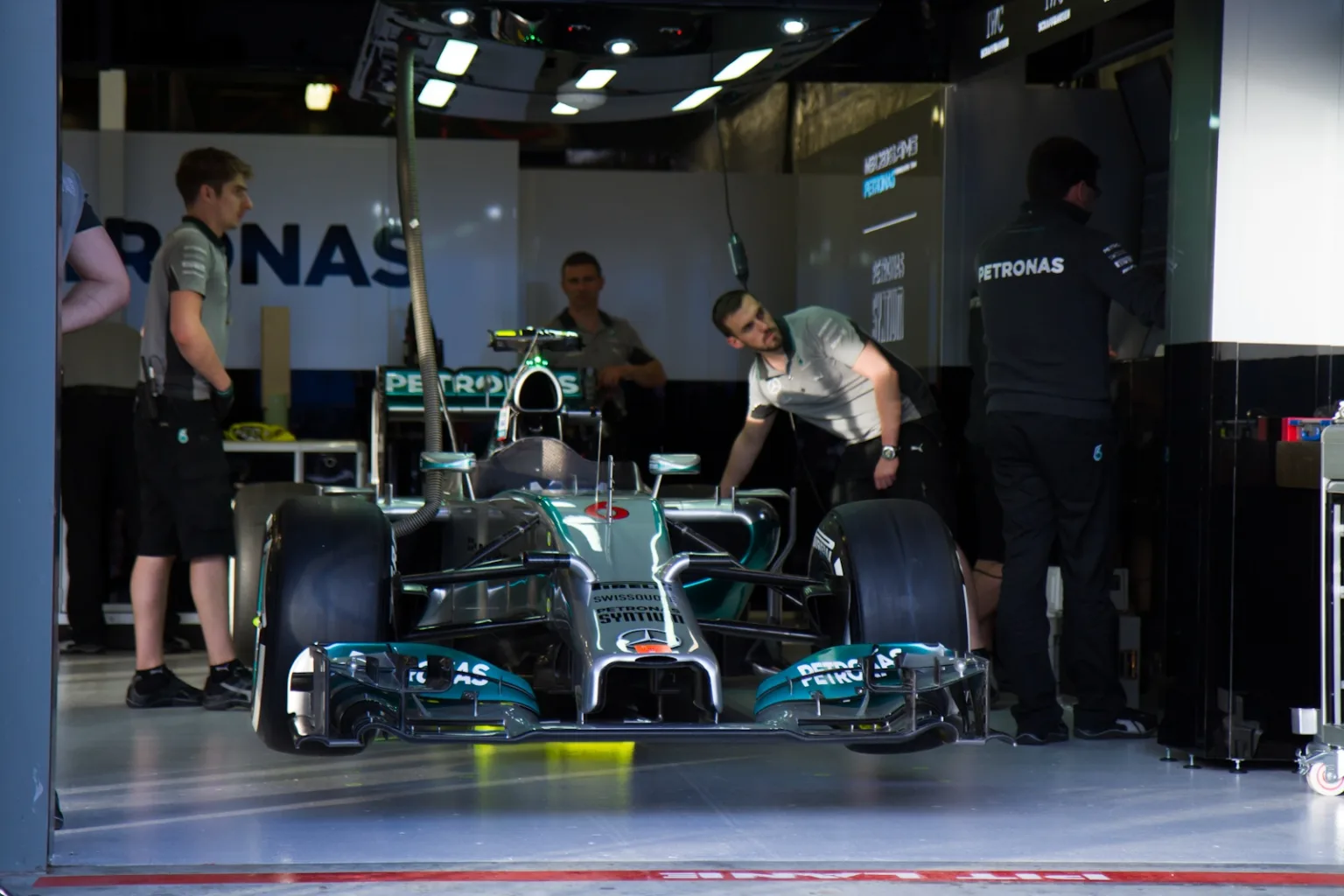
Niki Lauda has responded to mounting criticism of Formula One’s new turbo hybrid era, insisting the sport’s technical direction is correct even as some race promoters and figures including Bernie Ecclestone object to the quieter engines and new regulations.
The 2014 season marked a fundamental shift for Formula One, with the FIA introducing 1.6-litre turbocharged V6 hybrid engines in place of the long-standing naturally aspirated V8s. The move aimed to bring the series in line with advances in road-car technology and growing environmental demands, but the resulting drop in engine volume has proved divisive.
Promoters threaten action over quieter engines
Australian Grand Prix chairman Ron Walker, a close ally of Bernie Ecclestone, has led the backlash. After the season opener in Melbourne, Walker threatened to consider dropping Formula One in favour of IndyCar, citing fan disappointment with the muted sound of the new power units. He blamed the FIA for pushing through the changes despite resistance from Ecclestone and claimed surveys showed fans cared little for fuel saving, preferring the spectacle of loud, aggressive racing.
Walker described the loss of the old engine scream as a key problem for ticket sales, accusing FIA president Jean Todt of arrogance in pressing ahead with the new rules. He argued that the emotional impact of engine noise was central to the sport’s appeal and warned that F1 risked alienating its audience.
Lauda: F1 must reflect modern technology
Lauda, now Mercedes team chairman and a three-time world champion, rejected these criticisms. He acknowledged the new engines sound less dramatic but said Formula One’s appeal depends on the quality of racing and technical challenge, not simply the decibel level. Lauda emphasised that the new regulations keep F1 relevant by mirroring the direction of the wider car industry, including hybridisation and efficiency.
He dismissed suggestions that engine noise defines the sport, arguing that excitement comes from close competition and technical excellence. Lauda also pointed to the straight-line speed of the new cars, which in some cases exceeded that of the old V8s, as evidence that performance had not been sacrificed. He called proposals to artificially increase engine noise "bizarre" and insisted Formula One should continue to move forward technologically.
Manufacturers back the technical shift
The FIA’s technical overhaul has attracted renewed interest from manufacturers. Honda announced plans to return to Formula One in 2015, joining Mercedes, Ferrari and Renault as engine suppliers. Lauda argued that this demonstrates the value of aligning Formula One with the technology priorities of the global car industry, including reduced emissions and hybrid systems.
Despite criticism from some corners, the new era has already seen strong competition at the front, with teams adapting to the demands of energy recovery and fuel management. Lauda maintained that this complexity is central to the sport’s identity and future.