Lexus CT 200h Hybrid Makes Racing Debut at Nürburgring
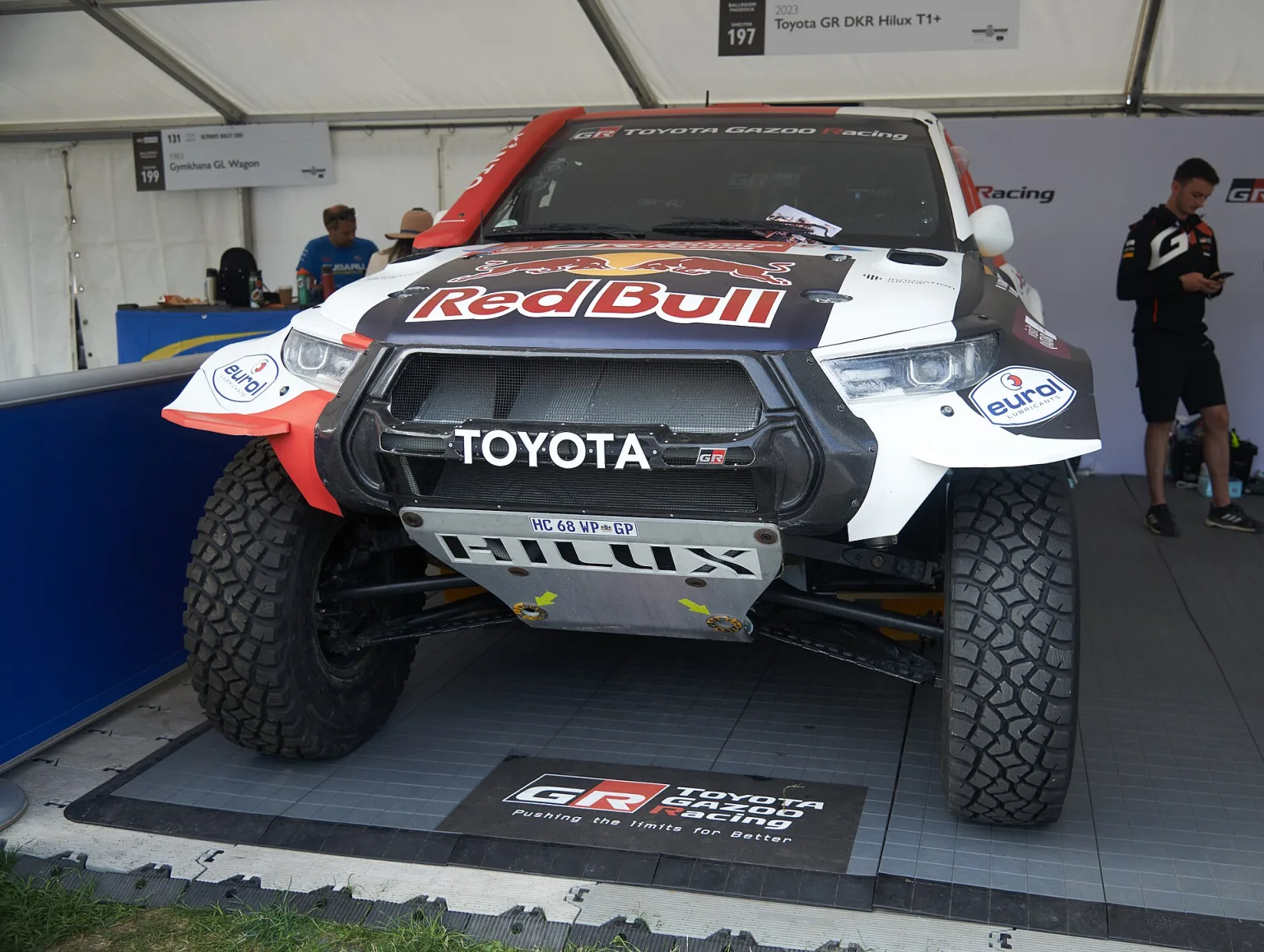
Lexus entered a hybrid CT 200h, run by Gazoo Racing, into the VLN endurance series at the Nürburgring, completing its first competitive six-hour outing in the SP4 class.

Lexus entered the CT 200h hybrid hatchback into competition at the Nürburgring for the first time, fielding a modified car in the 2011 VLN endurance series. The car, run by Gazoo Racing, completed the six-hour Adenauer ADAC Rundstrecken-Trophy and finished 108th overall, marking the first race appearance for the CT 200h on one of the world’s most demanding circuits.
The CT 200h’s entry in the SP4 class emphasised endurance over outright speed. While the car was modified for competition, Lexus and Gazoo Racing kept the production hybrid system and battery pack intact. This meant the car retained the full Lexus Hybrid Drive system, including regenerative braking and the ability to run on electric power alone for short periods. The team aimed to demonstrate the hybrid’s reliability and efficiency over a long-distance race, rather than chasing class wins.
Hybrid technology in endurance racing
Lexus was, at the time, the only manufacturer entering a full hybrid car in major endurance racing. The brand’s hybrid racing efforts began with the RX 400h in 2005, but the CT 200h marked a step into a more conventional hatchback segment. While most rivals in the VLN series relied on conventional petrol or diesel engines, Lexus persisted with its hybrid system to gather data and showcase durability in competition.
Gazoo Racing’s CT 200h was driven by Kumi Sato, Masahiko Kageyama and Minoru Takaki. Sato had previous experience racing a Lexus IS 250, Kageyama had supported Toyota’s vehicle development, and Takaki was involved in production vehicle development at Toyota. The team’s focus was on completing the event and evaluating the hybrid’s performance in race conditions rather than outright pace.
Technical approach and race result
The decision to retain the standard hybrid system set the CT 200h apart from most other entrants. Regenerative braking and electric-only operation contributed to lower fuel consumption, allowing for fewer pit stops during the six-hour race. This approach reflected Toyota and Lexus’s broader strategy of promoting hybrid technology’s practical benefits beyond road use.
The CT 200h’s outing at the Nürburgring did not trouble the leaders, but it demonstrated that a production-based hybrid could handle the demands of endurance racing. For Lexus and Gazoo Racing, the result offered valuable data and a public demonstration of hybrid durability in motorsport.
For more on Lexus’s performance models, see theLexus LFA Supercar Makes Global Debut at Tokyo Motor Show.