Mercedes opens advanced climatic wind tunnels at Sindelfingen
Mercedes-Benz has unveiled two new climatic wind tunnels at its Sindelfingen facility, offering extreme weather simulations for testing next-generation vehicles and alternative powertrains.

Mercedes-Benz has inaugurated two new climatic wind tunnels at its Sindelfingen site, marking a significant upgrade in the company’s ability to test vehicles under extreme weather conditions. These advanced facilities are designed to replicate a wide variety of environmental scenarios, supporting the development of both current and future vehicle models, including those with alternative drivetrains.
Introduction to Mercedes-Benz's New Climatic Wind Tunnels
Expanded Testing Capabilities
The two new wind tunnels at Sindelfingen offer a considerable leap over the previous testing infrastructure. The cold tunnel can produce temperatures ranging from minus 40°C to plus 40°C, while the hot tunnel covers a range from minus 10°C to plus 60°C. Both tunnels are capable of simulating wind speeds up to 265 km/h. These conditions enable engineers to subject vehicles to scenarios such as hurricanes, tropical rainfall, heavy snowstorms, and even the effects of a scorching sun, all within a controlled indoor environment.
Integrated within each tunnel is a twin-axle roller dynamometer, allowing vehicles to be driven at high speeds during tests. This is particularly important for evaluating the performance and durability of sports cars and high-performance models. The previous cold tunnel at Sindelfingen was limited to temperatures as low as minus 20°C and wind speeds of 64 km/h, while the old hot tunnel could only reach plus 40°C and 100 km/h. The new facilities, therefore, represent a substantial enhancement in testing flexibility and realism.
Simulating Real-World Conditions
The ability to recreate such extreme and varied weather conditions indoors is crucial for Mercedes-Benz’s research and development. Vehicles can be exposed to sudden temperature changes, intense solar radiation, or simulated blizzards, providing valuable data on how different models perform in adverse environments. This not only accelerates the development process but also ensures a higher level of reliability and safety for customers worldwide.
- Cold tunnel: Temperature range from -40°C to +40°C
- Hot tunnel: Temperature range from -10°C to +60°C
- Wind speeds up to 265 km/h in both tunnels
- Simulation of tropical rain, heavy snow, and strong sunlight
Supporting the Shift to Alternative Powertrains
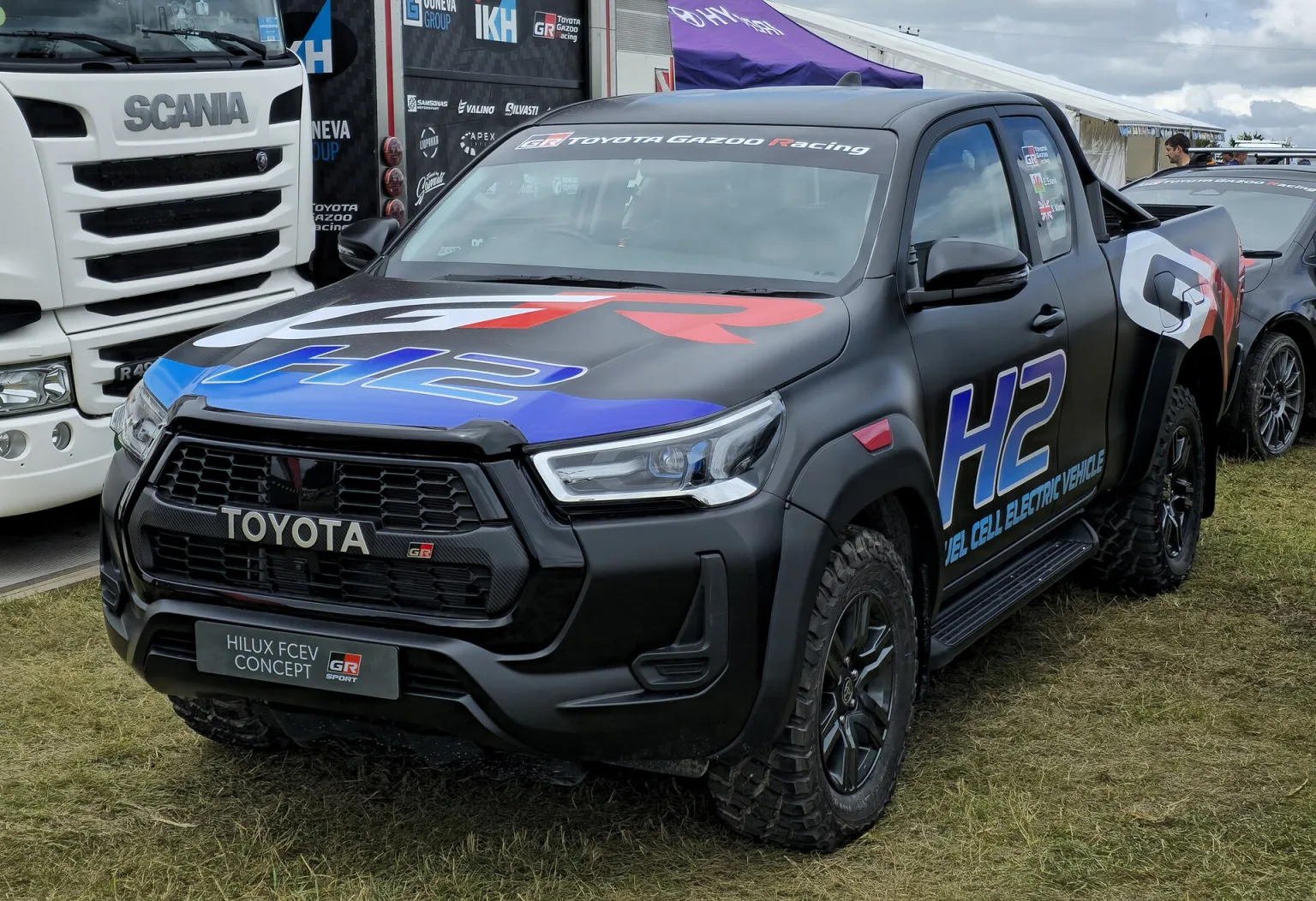
A key feature of the new wind tunnels is their compatibility with alternative propulsion systems. Mercedes-Benz has equipped the facilities with advanced sensors and an effective air extraction system, making them suitable for testing hydrogen and fuel-cell powered vehicles. This is an important step as the automotive industry moves towards electrification and alternative fuels. The ability to safely conduct rigorous test programmes on these vehicles ensures Mercedes-Benz remains prepared for future changes in propulsion technology.
The tunnels’ design allows for precise monitoring of emissions and fuel-cell operation under a variety of simulated conditions. This helps engineers assess the performance, safety, and durability of new technologies before they reach the market. As Mercedes-Benz expands its portfolio to include more alternative-fuel vehicles, these testing facilities will play a vital role in ensuring high standards are maintained across all models.
Broader Impact and Strategic Importance
The inauguration of these new wind tunnels is part of Mercedes-Benz’s broader investment in research and development infrastructure at Sindelfingen. By upgrading its facilities, the company can conduct more comprehensive testing in-house, reducing the need to rely on remote or seasonal test sites. This streamlines the development process, shortens time-to-market, and helps maintain Mercedes-Benz’s reputation for engineering excellence.
The timing of the facility upgrade coincides with the launch of new models such as the latest C-Class and the expansion of alternative-fuel offerings. The enhanced testing capabilities support the company’s commitment to innovation and quality, ensuring that future vehicles are prepared for the diverse conditions encountered by drivers around the world.
Summary of Facility Capabilities
| Feature | Old Facility | New Facility |
|---|---|---|
| Minimum Temperature | -20°C (cold tunnel) | -40°C (cold tunnel), -10°C (hot tunnel) |
| Maximum Temperature | +40°C (hot tunnel) | +40°C (cold tunnel), +60°C (hot tunnel) |
| Maximum Wind Speed | 64 km/h (cold tunnel), 100 km/h (hot tunnel) | 265 km/h (both tunnels) |
| Rain/Snow Simulation | Limited | Tropical rain, heavy snow, strong sun |
| Hydrogen/Fuel Cell Testing | Not specified | Supported with advanced sensors and air extraction |