Mexico’s Car Production Surges as Global Automakers Invest Billions
With Honda and Mazda opening new plants and major investment from Volkswagen to Chrysler, Mexico’s car output is set to approach 4.5 million units by 2020.
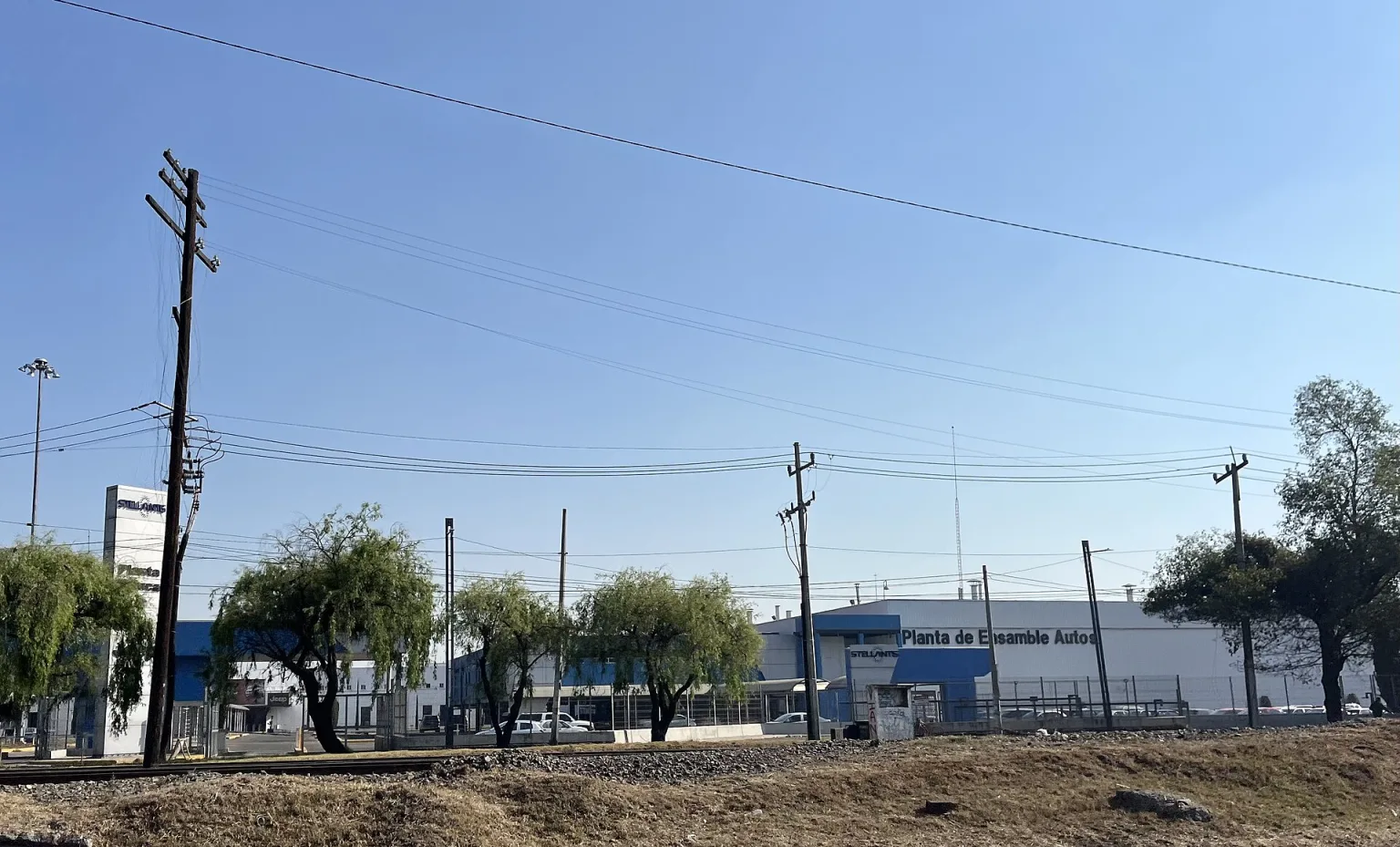
Mexico has rapidly emerged as a major player in the global automotive manufacturing industry. Despite not having a significant indigenous car manufacturer, the country has become a preferred destination for international carmakers seeking to take advantage of its strategic location, competitive labour costs, and extensive network of trade agreements. Over the past decade, Mexico’s transformation into an automotive hub has had far-reaching implications for the country’s economy and the broader global automotive market.
Mexico’s Rise as an Automotive Manufacturing Powerhouse
The evolution of Mexico’s automotive sector is a story of strategic economic development. While the country does not produce its own major car brand, it has attracted substantial investment from some of the world’s largest automakers. Companies such as Volkswagen, Chrysler, Honda, and Mazda have established significant manufacturing operations in Mexico, drawn by the country’s cost advantages and export-friendly policies. This influx of investment has helped to modernise Mexico’s industrial infrastructure and has created thousands of jobs for Mexican workers.
Between 2013 and 2015, global automakers invested approximately $6.8 billion into new and expanded production facilities in Mexico. In early 2014, both Honda and Mazda opened new assembly plants, further strengthening the country’s industrial base. Volkswagen and Chrysler also expanded their presence during this period. These investments have not only increased Mexico’s production capacity but have also fostered the development of a highly efficient local supplier network.
Trade Agreements and Export Advantages
One of the key drivers behind Mexico’s automotive boom is its extensive network of free trade agreements. According to ProMexico, the government’s economic development agency, Mexico has signed agreements with 43 countries. These include the North American Free Trade Agreement (NAFTA), which was signed in the 1990s. Such agreements enable manufacturers to export vehicles to major markets in the United States, Europe, and South America without paying tariffs. This makes Mexican-built cars highly competitive in international markets and simplifies logistics for automakers.
The country’s trade policy has been instrumental in attracting foreign investment and encouraging more companies to set up production facilities in Mexico. The ability to export vehicles cost-effectively has reinforced Mexico’s role as a global automotive hub and has spurred further economic growth.
Growth in Production and Industry Forecasts
Mexico’s automotive industry has experienced rapid growth in production volumes. According to forecasts from IHS Automotive, Mexico’s annual vehicle output was expected to rise from around 2.9 million units in 2014 to 4.5 million by 2020. This expansion would position Mexico’s car industry to be twice the size of Canada’s by 2016, despite the absence of a major indigenous car brand. Mexico has thus become the largest non-indigenous automotive producer in the world.
The growth in production has had a ripple effect on the domestic economy, leading to increased demand for local suppliers, logistics providers, and skilled workers. Regions that have attracted new automotive plants have seen improvements in infrastructure and local economies, as well as the creation of new employment opportunities.
Key Factors Driving Mexico's Automotive Boom
- Low labour costs compared to the US and Europe
- Established supplier networks that reduce component shipping times
- Proximity to the US market for quick and cost-effective vehicle exports
- Extensive free trade agreements that eliminate many export tariffs
For workers and suppliers, the arrival of global manufacturers has resulted in new jobs and a more dynamic local supply chain. For buyers in the US and Europe, a growing number of vehicle models are now sourced from Mexican plants, often with minimal differences in specification or quality compared to vehicles built elsewhere.
Impact on the Global Automotive Market
Mexico’s emergence as a manufacturing hub has reshaped the global automotive market. The country’s ability to produce vehicles efficiently and export them at competitive prices has increased competition among automakers worldwide. Many brands now rely on their Mexican plants to supply key markets in North and South America, as well as Europe. This trend has also prompted other countries to reassess their own manufacturing strategies and trade agreements in order to remain competitive.
The continued success of Mexico’s automotive sector depends on its ability to maintain advantages in labour costs, trade policy, and logistics. As long as these factors remain favourable, Mexico is likely to retain its status as a vital automotive hub.
Consequences for Local Communities and the Workforce
The automotive boom in Mexico has brought significant benefits to local communities, particularly in regions where new manufacturing facilities have been established. The influx of foreign investment has generated thousands of jobs, both directly in assembly plants and indirectly through suppliers and support services. Improvements in infrastructure and education have followed as local economies have grown.
However, rapid industrialisation has also presented challenges. The increased demand for resources and skilled labour has put pressure on local infrastructure and highlighted the need for ongoing investment in worker training and environmental management. Balancing economic growth with sustainable development will remain a key challenge for Mexican policymakers and business leaders.
Outlook for Mexico's Automotive Sector
Looking ahead, Mexico’s position as a global automotive manufacturing hub appears secure, provided it continues to offer competitive advantages to international automakers. The combination of low production costs, a skilled workforce, and favourable trade agreements is likely to keep Mexico at the centre of the automotive industry for the foreseeable future.
As global demand for vehicles evolves and new technologies emerge, the Mexican automotive sector will need to adapt. Continued investment in innovation, workforce development, and sustainable practices will be essential to maintain the country’s competitive edge in the international market.