Nissan invests £26.5m in Sunderland battery plant to secure UK EV supply
Nissan’s £26.5 million investment in its Sunderland battery facility will safeguard 300 jobs and underpin local production of batteries for the Leaf and e-NV200.

Nissan has committed £26.5 million to its Sunderland battery plant, aiming to secure the UK supply of lithium-ion batteries for electric vehicles and safeguard 300 jobs in manufacturing, maintenance and engineering. The announcement, made in January 2016, ensures continued production of battery modules for the Nissan Leaf and e-NV200, reinforcing the Sunderland facility’s position as the largest of its kind in Europe.
Nissan's £26.5 Million Investment in Sunderland
Details of the Investment and Partnerships
Of the total investment, £19.4 million is allocated to partnerships with academic and technology organisations, including the University of Warwick, Newcastle University and Zero Carbon Futures. The project is supported by a £9.7 million loan from the UK’s Advanced Propulsion Centre, which is designed to help advance the next generation of electric vehicle battery technology. These collaborations are intended to keep Nissan’s UK operations central to its electric vehicle strategy, focusing on both research and development as well as production.
The partnership will see Nissan work closely with academic institutions and technology partners to develop improved battery technology for future electric vehicles. This approach is expected to support innovation and maintain the Sunderland plant’s competitiveness not only in the UK but across Europe. By investing in research and development, Nissan aims to strengthen its position as a leader in electric mobility.
Role of the Sunderland Plant in Nissan’s Global Operations
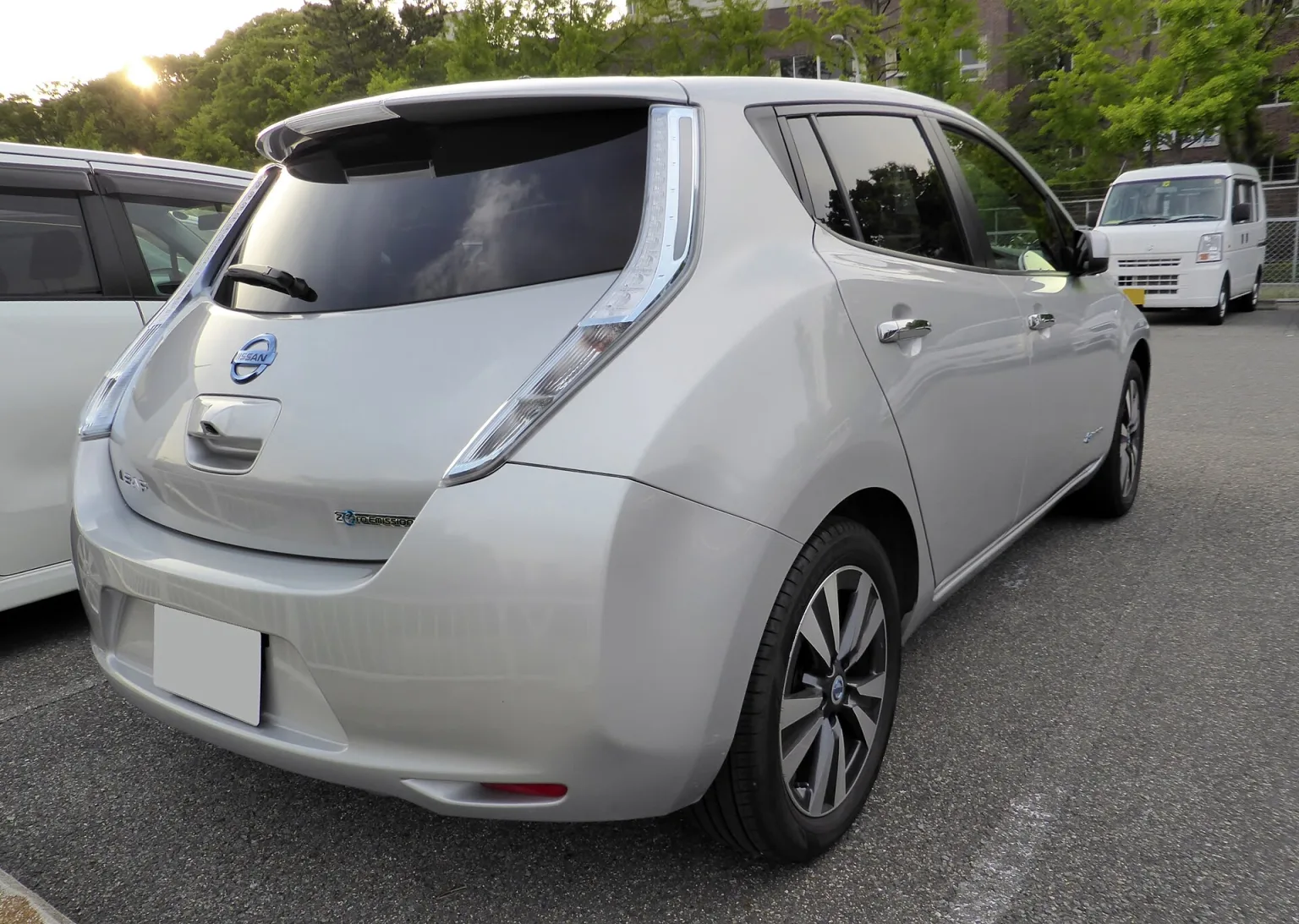
The Sunderland battery plant is one of three Nissan battery production sites worldwide. It plays a critical role in supplying battery modules for the all-electric Nissan Leaf and the e-NV200 van. While the Leaf is built in Sunderland, the e-NV200 is produced at Nissan’s Barcelona plant. The Sunderland facility’s battery output is therefore essential for both domestic and international electric vehicle production.
Since electric vehicle production began at the Sunderland factory in 2013, following a £420 million investment, the site has supported more than 2,000 jobs across Nissan and the wider supply chain. The plant’s continued operation and expansion are seen as vital for the region’s employment and the UK’s automotive sector as a whole.
Milestones and Industry Impact
Nissan’s announcement comes as the company marks the 30th anniversary of its Sunderland factory. The milestone highlights the site’s long-standing contribution to the UK automotive industry and its ongoing commitment to electric vehicle technology. In January 2016, Nissan delivered its 200,000th Leaf, with over 43,000 units sold worldwide in 2015, including 15,630 in Europe. The Sunderland plant remains central to this achievement, supporting both production and supply chain jobs.
The investment is expected to help maintain the UK’s position in the global electric vehicle market, ensuring that Nissan’s battery supply remains secure and that the company can continue to innovate in the field of electric mobility. The collaboration with academic and technology partners is also likely to contribute to future advances in battery technology, benefiting both Nissan and the wider industry.