Vettel Dominates Australian Grand Prix Without Red Bull KERS
Sebastian Vettel led from start to finish in Melbourne as Red Bull opted to remove KERS entirely, yet still outpaced rivals by a clear margin.
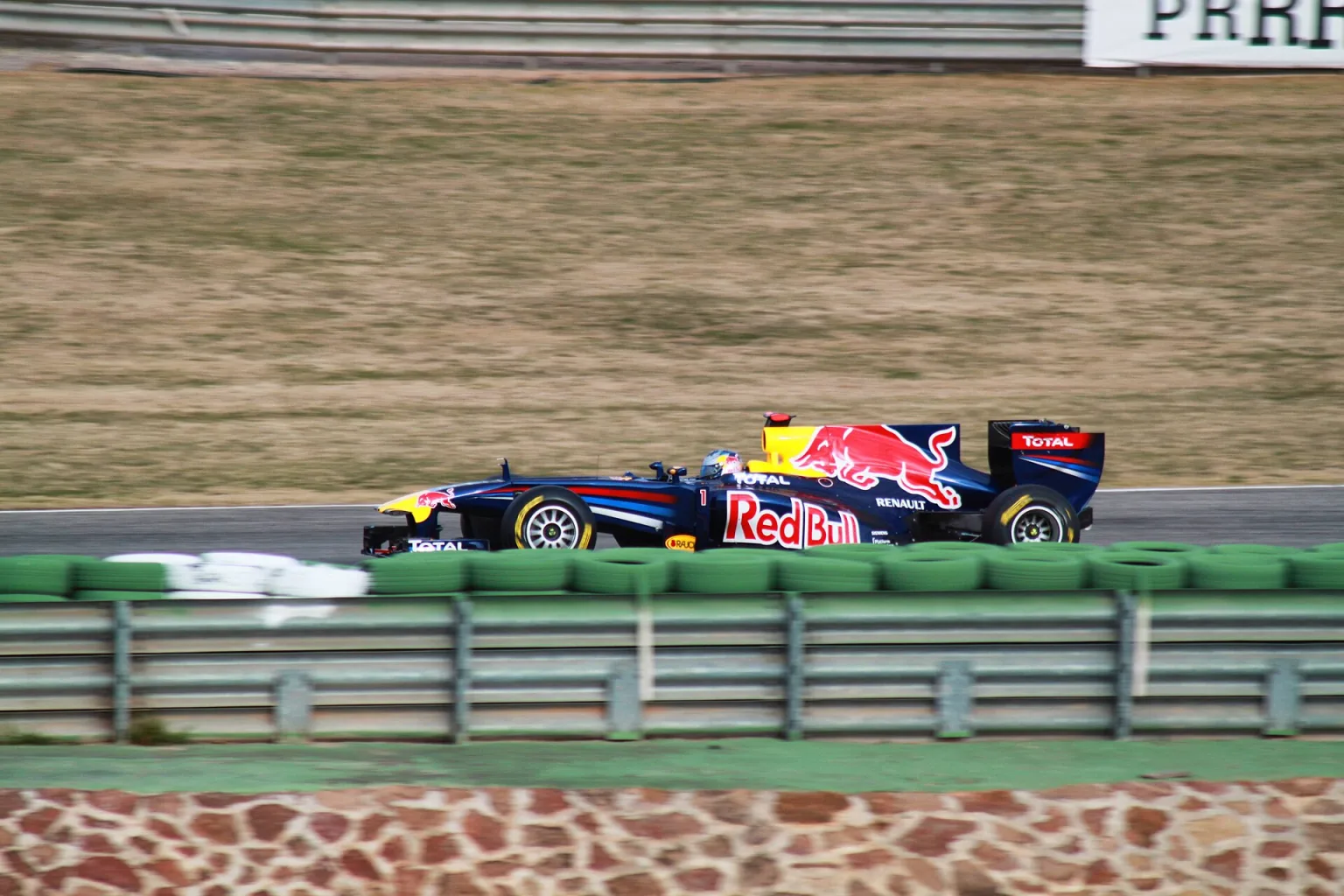
Sebastian Vettel opened the 2011 Formula One season with a commanding victory at the Australian Grand Prix, leading every lap after Red Bull Racing decided not to run KERS on either of its cars. Vettel’s RB7, stripped of the hybrid energy recovery system after Friday practice, was untroubled at the front as he converted pole position into a comfortable win.
Red Bull team principal Christian Horner confirmed the team ran without KERS throughout qualifying and the race. The decision followed reliability concerns and the belief that the system’s aerodynamic and operational compromises outweighed any potential advantage at Albert Park. Horner described the technology as “a potential risk,” and said the team’s lead in qualifying and race pace meant they could afford to prioritise reliability and car balance over the extra power boost.
Red Bull’s KERS decision and its impact
KERS (Kinetic Energy Recovery System) was reintroduced to Formula One for 2011, offering drivers up to 80 extra horsepower for a few seconds each lap. While McLaren and Ferrari committed to using their systems, Red Bull’s approach was more cautious. Both Vettel and Mark Webber completed Saturday and Sunday sessions with KERS removed from their cars, contradicting speculation that the team was running a lightweight or partial system for starts only. Horner said the choice was made after Friday’s running, with the system judged to be a greater liability than asset for the opening race.
McLaren’s Lewis Hamilton, who finished second, was unable to challenge Vettel at the start despite having KERS available. Hamilton’s car suffered floor damage early on, but McLaren boss Martin Whitmarsh said post-race that he expected no scrutineering issues. Vitaly Petrov secured his first career podium for Renault in third, while Fernando Alonso’s Ferrari took fourth.
Webber struggles, Perez impresses on debut
Mark Webber, racing at home, finished a distant fifth in the second Red Bull. Christian Horner admitted the gap between Vettel and Webber was unusual and said the team would review the data before the Malaysian Grand Prix. Sauber rookie Sergio Perez drew attention by completing the race on a single tyre stop, an unexpected strategy under the new-for-2011 Pirelli compounds, and finished seventh on debut.
- Vettel (Red Bull), 1st
- Hamilton (McLaren), 2nd
- Petrov (Renault), 3rd
- Alonso (Ferrari), 4th
- Webber (Red Bull), 5th
Nick Heidfeld, drafted into Renault to replace the injured Robert Kubica, finished well outside the points, trailing teammate Petrov by eleven places. British commentator Martin Brundle described Heidfeld’s performance as “embarrassing” given the car’s potential and Petrov’s result.
Red Bull’s KERS reliability remains in question
Red Bull’s KERS strategy in Melbourne raises further questions about the system’s reliability and integration with the RB7. The team expects to revisit KERS for future races, with the next opportunity at the Malaysian Grand Prix. For more on Red Bull’s ongoing KERS development, see Red Bull Drivers Tight-Lipped as KERS Issues Persist.