Norway reconsiders EV subsidies as electric car sales outpace forecasts
Norway’s government is reviewing generous incentives for electric vehicles after sales surged past targets, raising concerns about lost tax revenue and the impact on public finances.
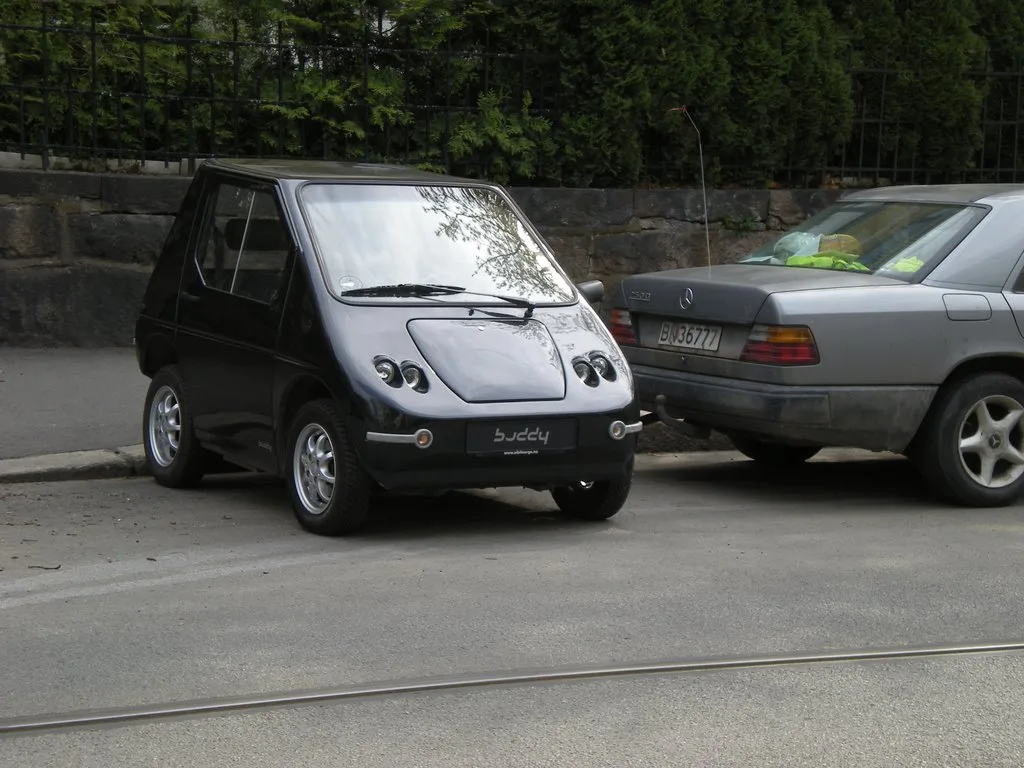
Norway’s finance ministry has launched a review of the country’s electric vehicle subsidy scheme after sales of battery-powered cars outstripped all forecasts, putting pressure on state revenues. The review follows the country reaching its 50,000th registered electric car in April 2015, a milestone achieved three years ahead of schedule due to generous government incentives.
The Norwegian government’s package of incentives, in place since 2012, has included full exemption from VAT and registration tax, free access to toll roads, complimentary public charging, free municipal parking and permission for EVs to use bus lanes. These measures have made Norway the world leader in electric vehicle adoption per capita, despite a population of just over five million.
Rapid EV adoption and fiscal concerns
By early 2015, electric vehicles accounted for roughly one in five new cars sold in Norway. The country represented about a third of all battery-powered car sales in Europe for 2014, according to data cited by the finance ministry. The rapid growth has come at a cost: the ministry estimates the state lost between $380 million and $510 million in revenue in 2014 due to the incentive scheme. Finance minister Siv Jensen has said the review will inform the revised budget expected in May 2015.
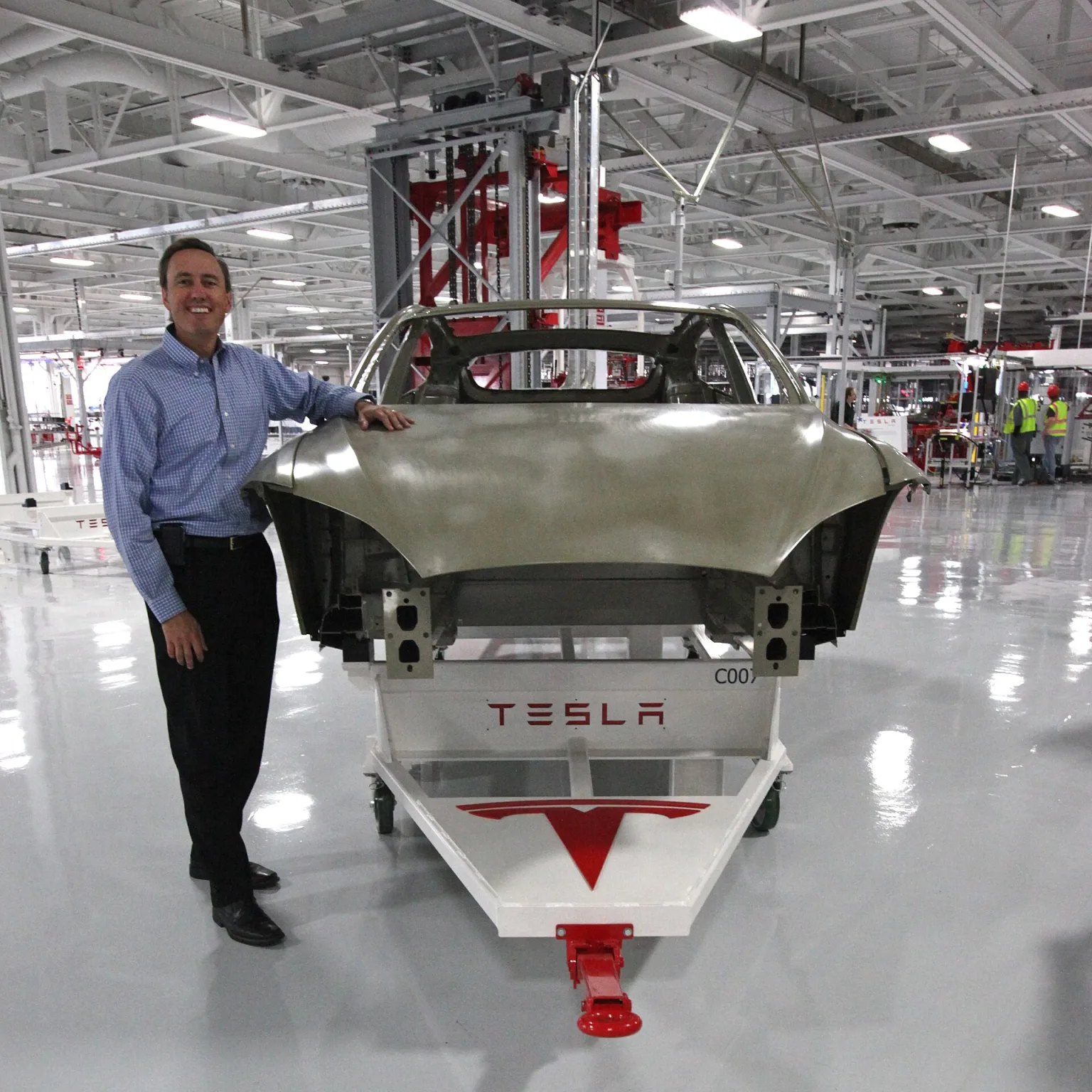
The surge in sales has included high-end models such as the Tesla Model S, which accounted for nearly 3% of all car sales in Norway last year. With Tesla prices starting at around $70,000, critics argue that wealthy buyers have benefited disproportionately from subsidies intended to drive mass-market adoption. The Nissan Leaf and Volkswagen e-Golf have also seen strong uptake, contributing to the overall rise in EV market share.
What changes could mean for buyers and industry
The government has not yet detailed which incentives might be scaled back or restructured. Any reduction in benefits could affect the cost of ownership for new EV buyers and potentially slow the rapid sales growth seen in recent years. The outcome will also have implications for manufacturers and dealers, as Norway has been a key market for electric models in Europe. The finance ministry has said a final agreement on future automotive and fuel taxes will be presented with the revised budget in May.
- Norway’s EV incentives include:
- VAT and registration tax exemption
- Free toll road access
- Free municipal parking
- Access to bus lanes
- Complimentary public charging
Norway’s experience is being closely watched by other governments considering similar policies to accelerate electric vehicle adoption. The review’s outcome will signal whether such aggressive incentives remain sustainable as sales volumes grow.