Opel Withdraws from Australian Market After Just One Year
Opel has ended its Australian operations after disappointing sales, leaving existing customers with support commitments and raising questions about the future of its models in the country.

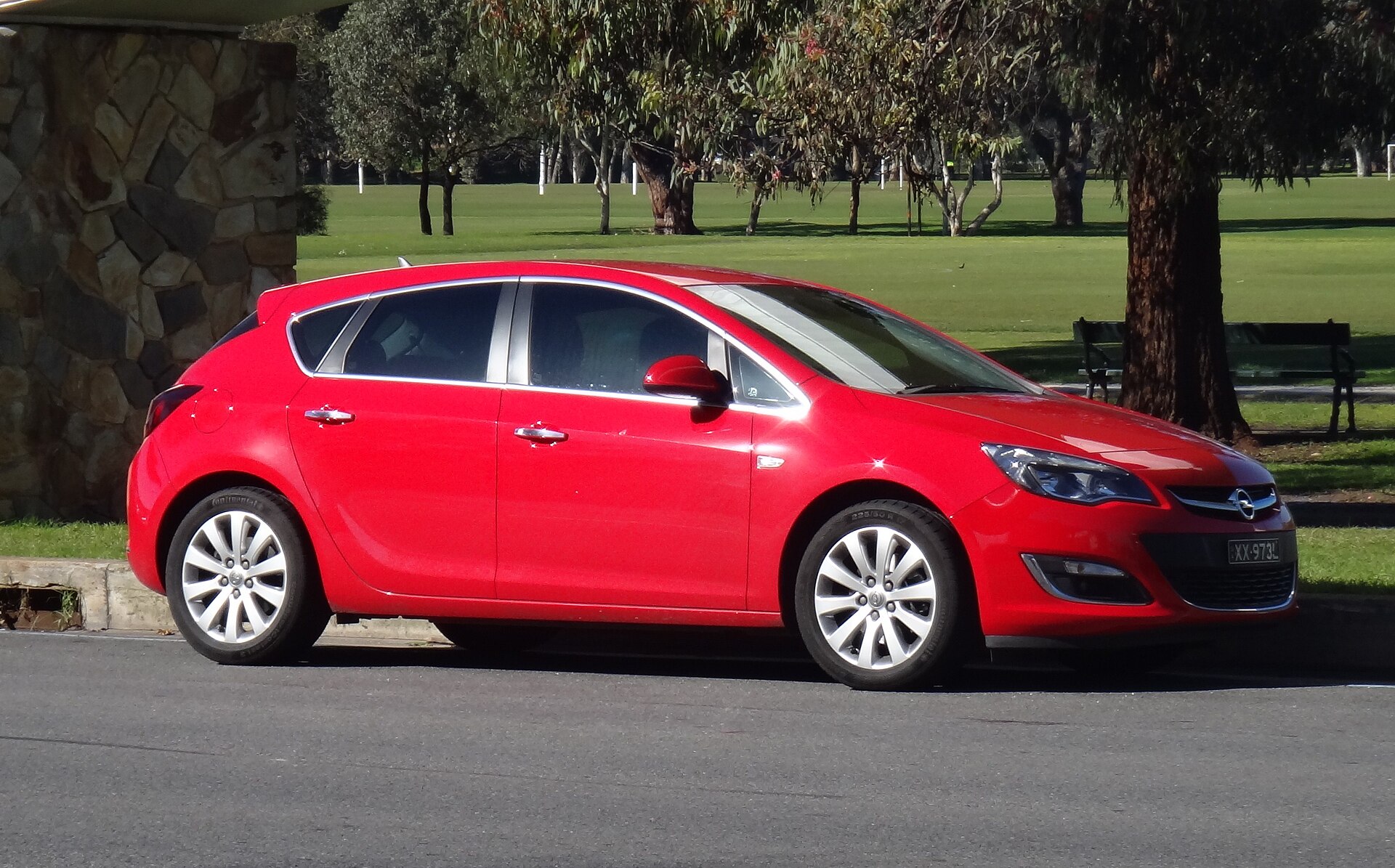
Opel, the German carmaker owned by General Motors at the time, announced in August 2013 that it would withdraw from the Australian market. This decision came just a year after Opel launched locally, marking a rapid and disappointing end to its efforts to establish itself in Australia. The company began deliveries in August 2012, offering the Astra, Corsa and Insignia models through a network of 20 dealerships nationwide.
Opel’s Short-Lived Australian Venture
Disappointing Sales Figures
Opel’s foray into Australia was hampered by low sales from the outset. In its first year, the company managed to sell only 541 vehicles. By August 2013, the total had reached just 989 units. These numbers fell well short of expectations, especially considering the investment required to launch a new brand in a competitive market. Opel cited the need for heavy discounting and significant spending on brand awareness as factors that made continued operations financially unviable.
The company concluded that the business case for remaining in Australia was unsustainable. The combination of weak sales, limited brand recognition, and the high costs of marketing and discounting left Opel with little choice but to cease operations. This decision affected not only the brand’s small customer base but also its network of dealerships, employees, and suppliers.
Impact on Customers and Dealers
With the announcement of its exit, Opel committed to supporting existing customers. The company stated it would honour all obligations to owners, ensuring continued access to servicing and parts. Opel also pledged to work closely with its dealers, employees, and suppliers throughout the wind-down process to minimise disruption. For customers who had recently purchased Opel vehicles, this assurance was particularly important given concerns about ongoing support and resale values.
The sudden withdrawal left dealers with unsold stock and uncertainty about their future business prospects. Employees across the network faced job insecurity, while suppliers had to adjust to the loss of a relatively new client. Although Opel’s presence in Australia was brief, the closure process required careful management to address the needs of all stakeholders involved.
Potential for Rebadged Opel Models
Following Opel’s decision to leave, discussions began between Opel Australia and Holden about the viability of selling Opel models under the Holden badge. This approach could have allowed popular models like the Astra, Corsa, or Insignia to return to Australian showrooms, but with Holden branding instead of Opel. At the time of the announcement, no firm decision had been made about which, if any, Opel models would be rebadged and sold by Holden.
Rebadging Opel models as Holdens would not have been unprecedented. Holden had previously offered Opel-sourced vehicles under its own nameplate, and the possibility remained open for the future. For Australian customers who were interested in Opel’s European engineering but wary of an unfamiliar brand, this move could have provided continuity and reassurance.
Broader Industry Context
Opel’s withdrawal from Australia occurred against a backdrop of significant change in the country’s automotive industry. The local manufacturing sector was under increasing pressure, with Ford having already announced plans to end production in Australia. This left only Holden and Toyota as the remaining major automakers with manufacturing operations in the country.
Holden responded to the challenging environment by committing to invest $1 billion in the region over ten years to manufacture two new vehicle models. Toyota, meanwhile, opened a new $330 million engine production plant to support both local sales and exports to Asia. Despite these investments, the industry as a whole faced uncertainty, with government assistance playing a significant role in supporting local manufacturing jobs and automotive component suppliers.
The exit of Opel, though on a smaller scale than the closure of manufacturing operations by Ford, added to concerns about the future of automotive jobs and the viability of the Australian market for international car brands. It highlighted the challenges faced by new entrants in a market dominated by established players and shifting consumer preferences.
Consequences for the Australian Market
Opel’s short-lived presence in Australia serves as a reminder of the difficulties faced by international brands seeking to establish themselves in new markets. The brand’s exit left fewer choices for consumers looking for European-designed vehicles in the mainstream segment. For industry observers, the withdrawal underscored the importance of strong brand recognition, competitive pricing, and a clear value proposition when entering a mature automotive market.
For existing Opel owners, the company’s commitment to aftersales support provided some reassurance. However, resale values and long-term parts availability remained concerns for those who had invested in the brand. The broader industry continued to grapple with structural changes, as both manufacturers and suppliers adapted to evolving market conditions and shifting government policies.