

Renault and Ferrari Outpaced by Mercedes F1 Spending, Says Jalinier
Jean-Michel Jalinier, Renault’s former F1 chief, blamed Mercedes’ vast investment for the French and Italian teams’ struggles in the 2014 V6 hybrid era.
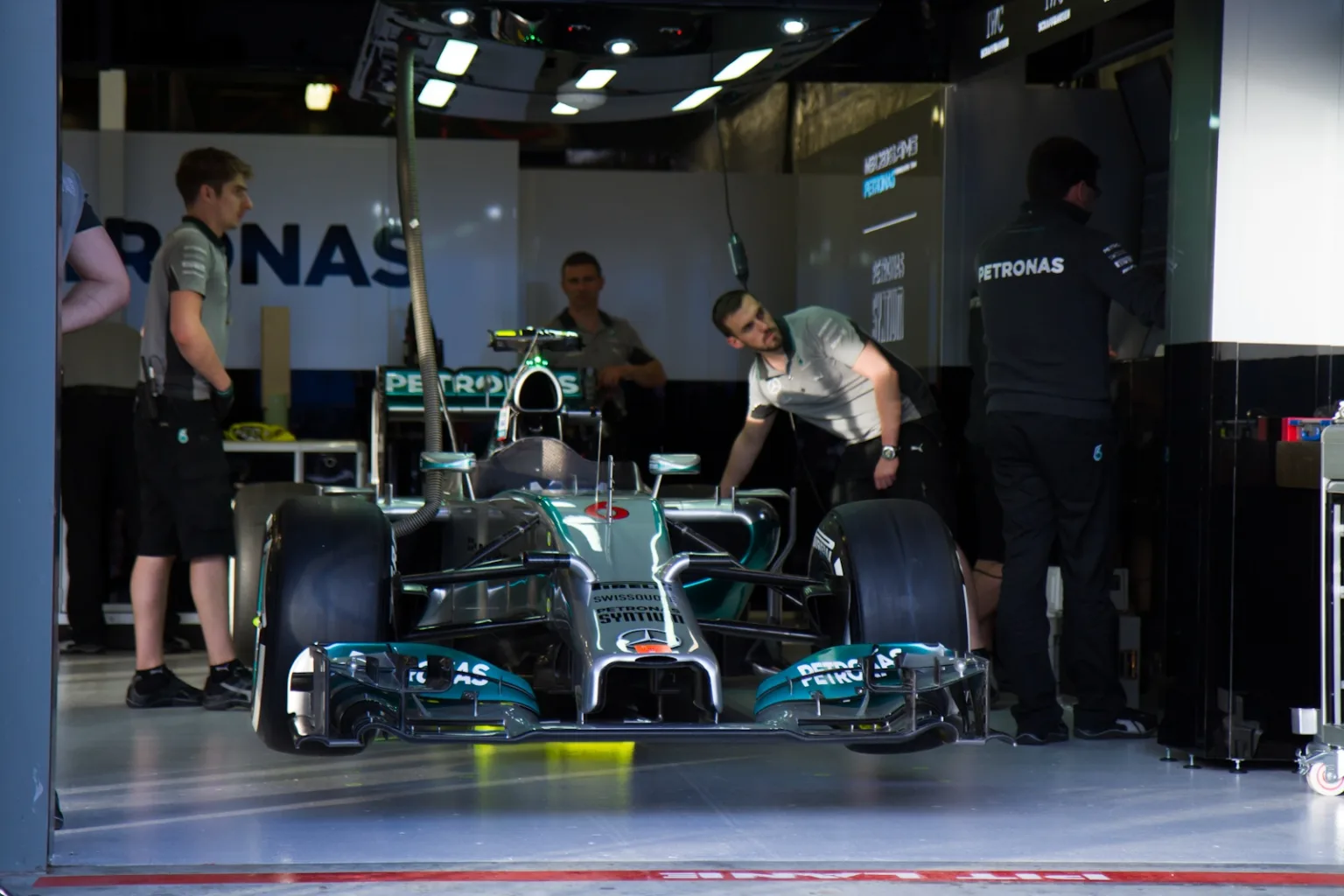
Renault’s former Formula One managing director Jean-Michel Jalinier has pointed to Mercedes’ superior investment as the decisive factor in the 2014 power unit era, explaining the gulf between the German team and rivals Renault and Ferrari. Jalinier, who stepped down in July 2014, said Renault and Ferrari worked with similar budgets while Mercedes committed far more money and resources as the sport shifted to V6 hybrid engines.
Renault, dominant with Red Bull in the final years of the naturally aspirated V8s, found itself on the back foot in 2014. Mercedes’ new V6 turbo hybrid power unit set the standard from the season’s start, leaving Renault and Ferrari scrambling to catch up. Jalinier told French magazine Auto Hebdo that while Renault kept its investment steady, Mercedes “raised the bar very high, investing a lot of money, resources and technology.”
Mercedes’ resource advantage
Jalinier highlighted the scale of the difference, citing the 320 staff at Renault’s Viry engine base compared to Mercedes’ combined workforce of 1,250 across chassis and power unit. That headcount let Mercedes develop multiple technical solutions in parallel, a luxury Renault and Ferrari could not match. Jalinier described paddock rumours of Mercedes’ “enormous and, in our view, disproportionate investments” as accurate, saying it became clear the German team had simply spent more to prepare for the new regulations.
The result was a power unit that not only delivered more performance but also proved more reliable and better integrated with the factory Mercedes chassis. Jalinier contrasted this with Renault’s approach, which involved tailoring the power unit to different customer teams, rather than optimising a single package for one works entry. He acknowledged that the Mercedes strategy of designing the engine and chassis together for the works team, then supplying that configuration to customers, gave a clear advantage.
Implications for Renault and Ferrari
Jalinier defended Renault’s technical work within its budget, insisting the team “completed the project entirely correctly” given its resources. But he conceded that Mercedes’ willingness to spend and their focused approach left rivals with little chance of matching their early dominance. Ferrari, working at a similar investment level to Renault, also found itself unable to keep pace with Mercedes’ performance gains.
The 2014 season marked a turning point, with Mercedes’ investment in hybrid technology and team integration setting a new benchmark. Renault would later restructure its F1 operations in search of a response, while Ferrari also made changes to its technical staff and approach in the wake of the Mercedes breakthrough. For more on Ferrari’s subsequent moves, see Ferrari confirms Jock Clear's arrival from Mercedes.


