Renault-Nissan Looks Beyond In-House Batteries for EV Expansion
Renault-Nissan is reconsidering its battery sourcing strategy, opening the door to external suppliers such as LG Chem as it aims to scale up electric vehicle production.

Renault-Nissan is reviewing its approach to electric vehicle battery supply, with CEO Carlos Ghosn confirming the alliance is now open to sourcing batteries from external suppliers. This marks a shift from the group's longstanding reliance on in-house battery manufacturing, as it seeks to bring down costs and support broader EV ambitions.
Why Renault-Nissan is changing battery strategy
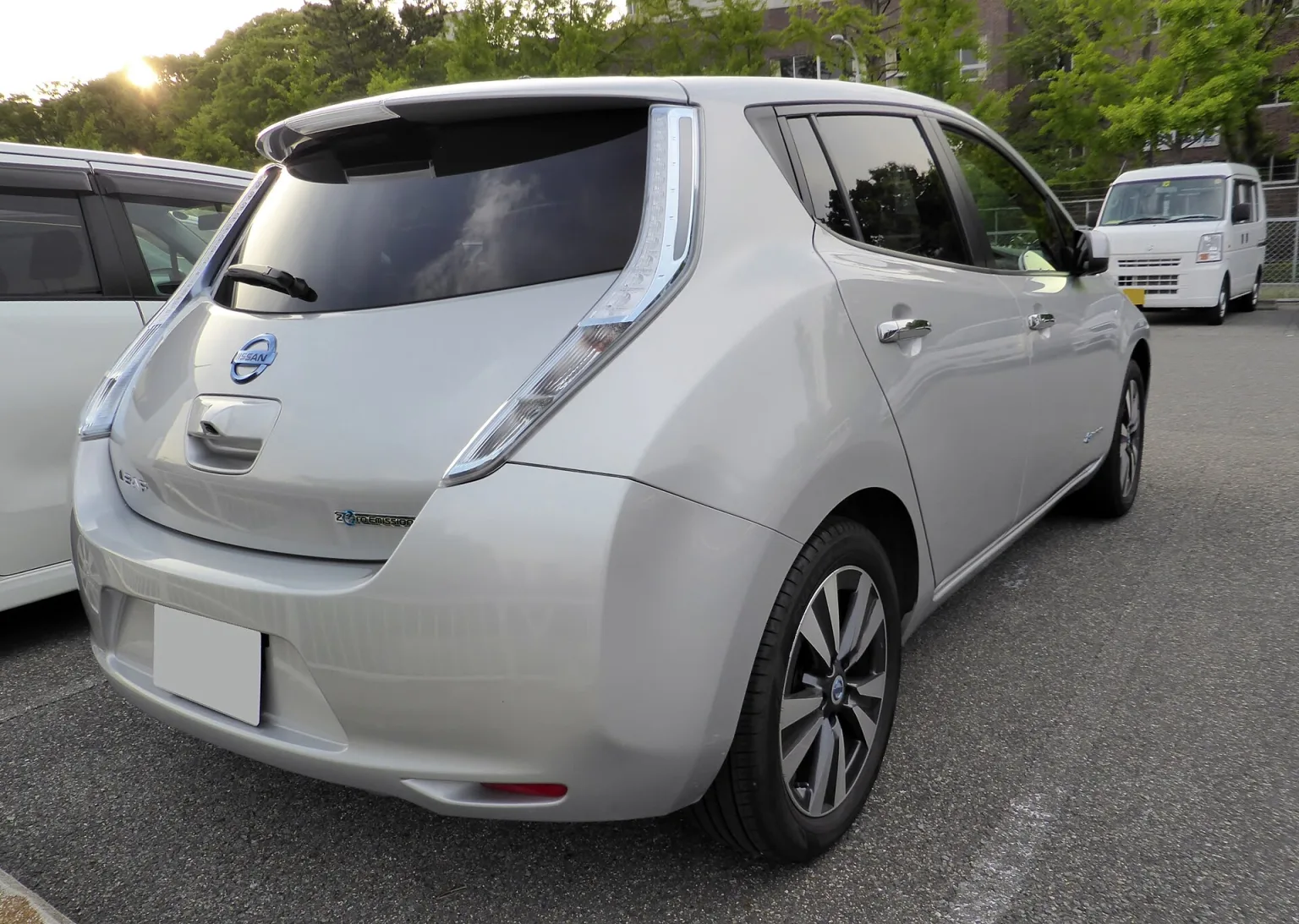
The decision comes against a backdrop of slower-than-hoped demand for electric vehicles and the need to make mass-market EVs more cost-competitive. Until now, the alliance has produced its own battery packs, largely through Nissan’s partnerships with NEC at factories in Japan and Sunderland, UK. This approach gave Renault-Nissan control over technology and supply, but as the market matures, cost pressures and the need for flexibility have grown.
Ghosn has stated that the internal battery business will now compete with external suppliers on price and performance. He said the group is continuing to produce its own batteries but is open to outside sourcing where it makes sense. The aim is to enable a wider range of EV models, especially for new markets like China, without being tied exclusively to in-house battery costs or capacity constraints.
LG Chem joins Renault-Nissan supplier list
South Korean battery giant LG Chem is among the suppliers Renault-Nissan is considering. The company already provides battery packs for the Renault Zoe, which is produced separately from Nissan’s in-house battery lines. LG Chem is one of the largest automotive battery manufacturers globally, supplying a range of carmakers with lithium-ion cells and packs.
Bringing in external suppliers does not mean Renault-Nissan will abandon its own battery production. Instead, the group wants to ensure it has access to the most competitive technology and pricing as it expands its electric line-up. This could also help Renault-Nissan react more quickly to shifts in demand and regulatory requirements in different regions.
Implications for future EVs and supply chain
For buyers, the move could mean more affordable and widely available Renault and Nissan electric vehicles, especially outside Europe and Japan. For workers at Nissan’s battery plants, the change introduces competition but does not immediately threaten existing production lines. For suppliers, it signals a major new opportunity to win business with one of the world’s largest EV alliances.
- Renault-Nissan aims to cut EV costs by sourcing batteries externally.
- LG Chem is set to supply packs for future models, alongside in-house production.
- The group is targeting new markets, including China, with a more flexible supply chain.
The shift in sourcing strategy reflects a wider trend among manufacturers seeking to balance control with cost and flexibility as the electric vehicle sector develops. Renault-Nissan’s next steps will be closely watched by rivals and suppliers alike.