Audi to Drop Dual-Clutch Gearbox from S and RS Models
Audi will replace its dual-clutch automatic with a conventional eight-speed automatic in S and RS performance models, citing torque handling and smoothness.
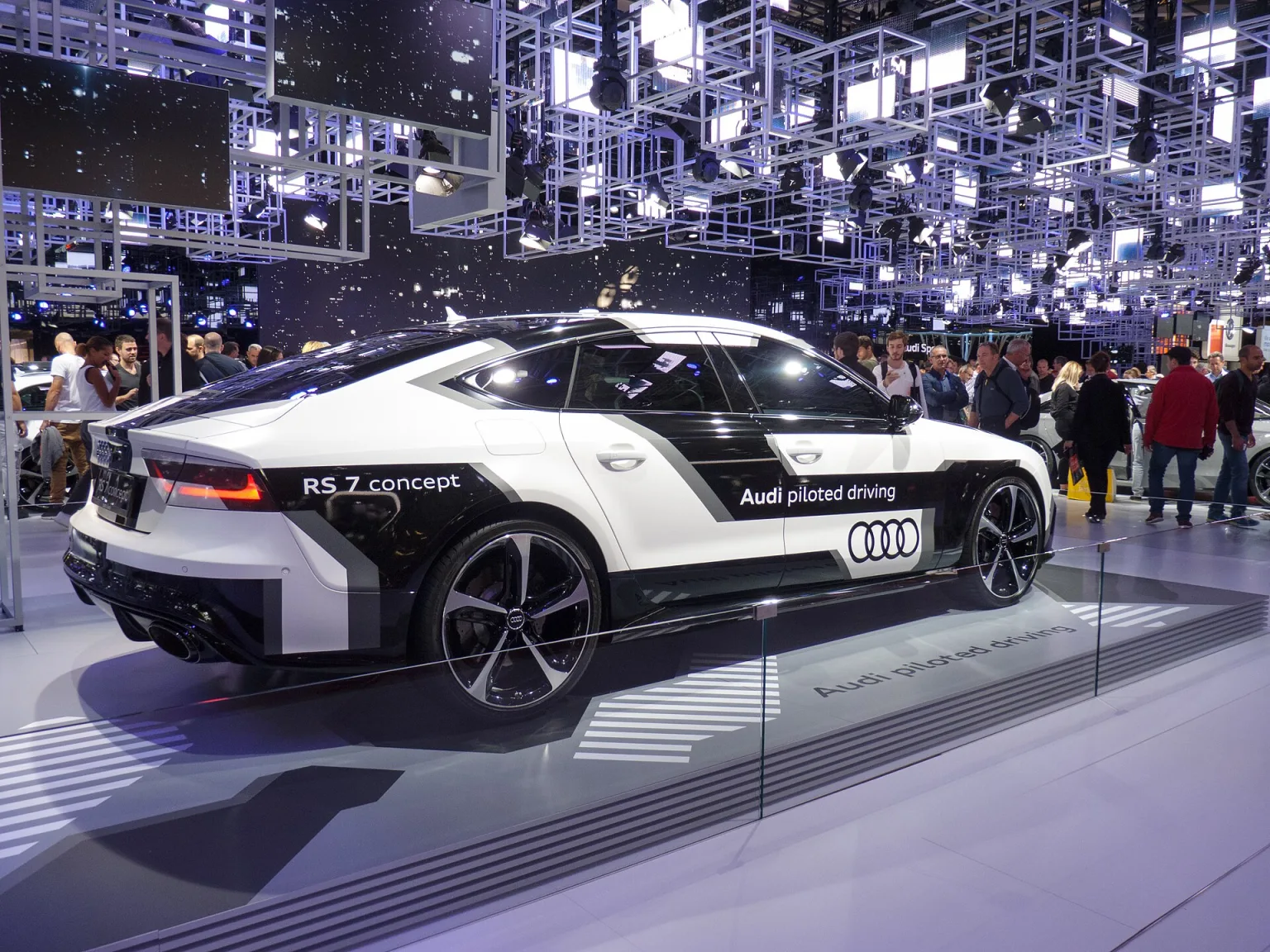
Audi is moving away from its dual-clutch automatic gearbox in favour of a conventional eight-speed automatic for its S and RS performance models. The change, confirmed by Audi powertrain engineer Florian Beck, is already in place for the latest S4 and S5, and is expected to extend to more potent models including the RS4 and RS5.
The dual-clutch gearbox, once a hallmark of Audi’s performance range, is reaching its torque limits as the brand’s engines become more powerful. Beck explained that the conventional automatic can handle higher torque loads than Audi’s current dual-clutch units, which are limited in this respect. This is particularly relevant as S and RS models continue to climb in output.
Audi’s decision also reflects a desire for improved drivability. The eight-speed automatic is said to deliver smoother shifts, especially at low speeds where dual-clutch systems can feel abrupt or jerky. This change aims to make the daily experience of driving these high-performance cars more refined without sacrificing performance.
Torque and refinement drive the switch
The S4 and S5 have already adopted the eight-speed automatic, replacing the previous seven-speed dual-clutch. Reports indicate that the RS4 and RS5 are set to follow the same path, with the conventional automatic better suited to the increased torque of these models. While Audi’s dual-clutch units were once celebrated for their rapid gear changes and efficiency, the new automatics offer comparable performance with greater reliability under high loads.
Other manufacturers have taken similar approaches. Ford and General Motors, for example, jointly developed a ten-speed automatic for their own high-output models. Meanwhile, some high-end brands such as Bugatti, Ferrari, Koenigsegg, McLaren and Porsche continue to develop dual-clutch systems capable of managing extreme power, but these are typically bespoke designs for supercars rather than mass-produced performance saloons and estates.
What it means for buyers and the market
For buyers, the move means future S and RS models will offer smoother low-speed operation and improved reliability under hard use, at the expense of the slightly more mechanical feel associated with dual-clutch gearboxes. Audi’s decision also reflects a wider trend among mainstream performance cars towards robust conventional automatics as torque figures rise.