VW, Audi and Porsche Face Buyback or Fix for 85,000 US 3.0 TDI V6 Diesels
US authorities forced Volkswagen Group to offer buybacks or fixes for around 85,000 VW, Audi and Porsche models fitted with the 3.0-litre V6 TDI after emissions cheating was confirmed.
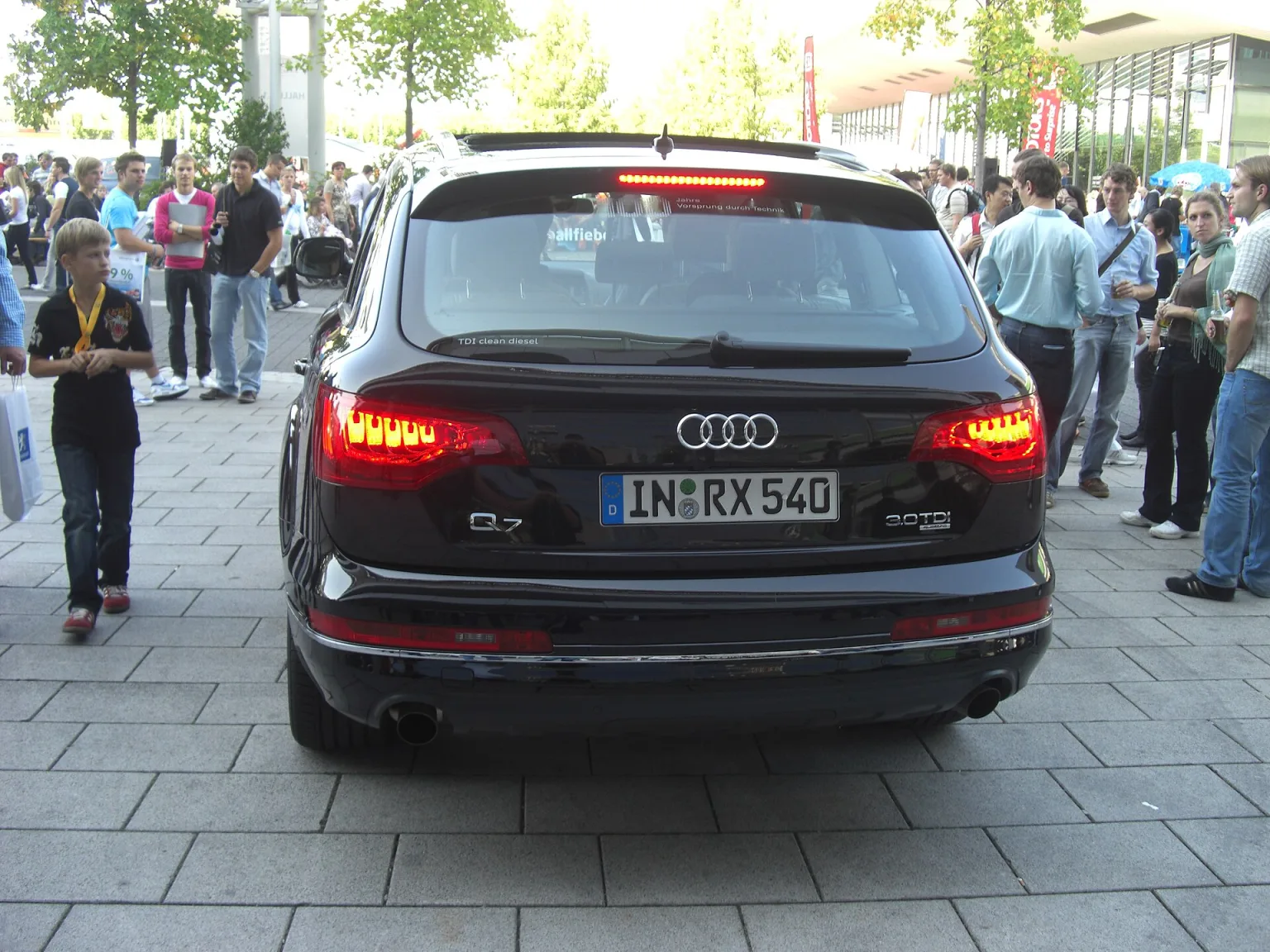
Volkswagen, Audi and Porsche were forced to offer buybacks or recall fixes for nearly 85,000 vehicles in the US after regulators confirmed that the 3.0-litre TDI V6 diesel engine used a defeat device to cheat emissions tests. The move followed months of denials and came as the US Environmental Protection Agency (EPA) and California Air Resources Board (CARB) expanded their investigation into the Volkswagen Group’s diesel emissions scandal.
Scope of the 3.0 TDI V6 Emissions Scandal
The 3.0-litre V6 TDI engine, used from 2009 to 2016 across several Volkswagen Group brands, was found to contain software that manipulated emissions controls during official testing. After initially denying the presence of any defeat device, Volkswagen and Audi admitted to US authorities in late 2015 that at least 85,000 vehicles were affected. Porsche was also drawn in, as the Cayenne diesel used the same engine. The affected models included the Volkswagen Touareg, Porsche Cayenne, and a range of Audi vehicles such as the Q7, Q5, A6, A7, and A8. The admissions came after the EPA issued a second Notice of Violation, following earlier findings on the Group’s four-cylinder TDI engines.
- 2009–2016 Volkswagen Touareg
- 2013–2016 Porsche Cayenne Diesel
- 2009–2015 Audi Q7
- 2014–2016 Audi A6, A7, A8, Q5
The defeat device software allowed the engine to comply with nitrogen oxide (NOx) emissions limits during laboratory testing, but reverted to higher-polluting settings under normal driving. Real-world emissions could be up to 40 times above legal limits. The EPA stated that one of the auxiliary emission control devices, used for temperature conditioning of the exhaust-gas cleaning system, met the legal definition of a defeat device under US law.
Regulatory Response and Settlement Terms
After the discovery, Volkswagen Group issued a stop-sale order for all affected models in the US. The company then entered negotiations with US authorities, leading to a proposed Consent Decree in December 2016. Under the agreement, Volkswagen would buy back or fix up to 83,000 vehicles. For the older generation 1 engines (2009–2012), owners were offered immediate buybacks or lease terminations. For the newer generation 2 engines (2013–2016), Volkswagen could attempt a recall fix, but would have to buy back vehicles if a fix could not be approved by regulators.
The settlement included a $225 million payment to an environmental trust for NOx mitigation and a further $25 million to support zero-emissions vehicles in California. These sums were in addition to the costs of buybacks and repairs, and separate from the $14.7 billion settlement already agreed for the 2.0-litre TDI engines. The agreement required court approval, with the earliest implementation expected in spring 2017.
Technical Fixes and Brand Reactions
Audi, which developed the V6 TDI, stated it would revise and resubmit the engine-management software for US approval. The company described the affected auxiliary emission control devices as part of a catalyst warmup strategy, but conceded that one was classified as a defeat device by US regulators. Audi estimated the cost of the fix at a mid-double-digit million euro sum, and said the solution would be software-based, unlike the mix of hardware and software required for the 2.0 TDI engines. Sales of new and used models with the V6 TDI remained suspended in the US until a fix could be approved and implemented.
For further background on Audi’s diesel engine development, see20 Years of TDI Engines from Audi.
Impact for Owners and Dealers
Owners of the affected vehicles in the US were offered the choice of a buyback or, where approved, a recall fix. Dealers faced a halt in sales of both new and used stock, as all transactions involving the 3.0-litre TDI models were frozen pending regulatory clearance. The settlement did not apply to vehicles outside the US, though investigations continued in other markets regarding similar software in EU-spec cars.