US Republican Bill Seeks Federal Control Over Autonomous Vehicle Rules
Draft legislation from House Republicans would prevent US states and cities from setting their own autonomous vehicle standards, shifting regulatory power to the federal government.
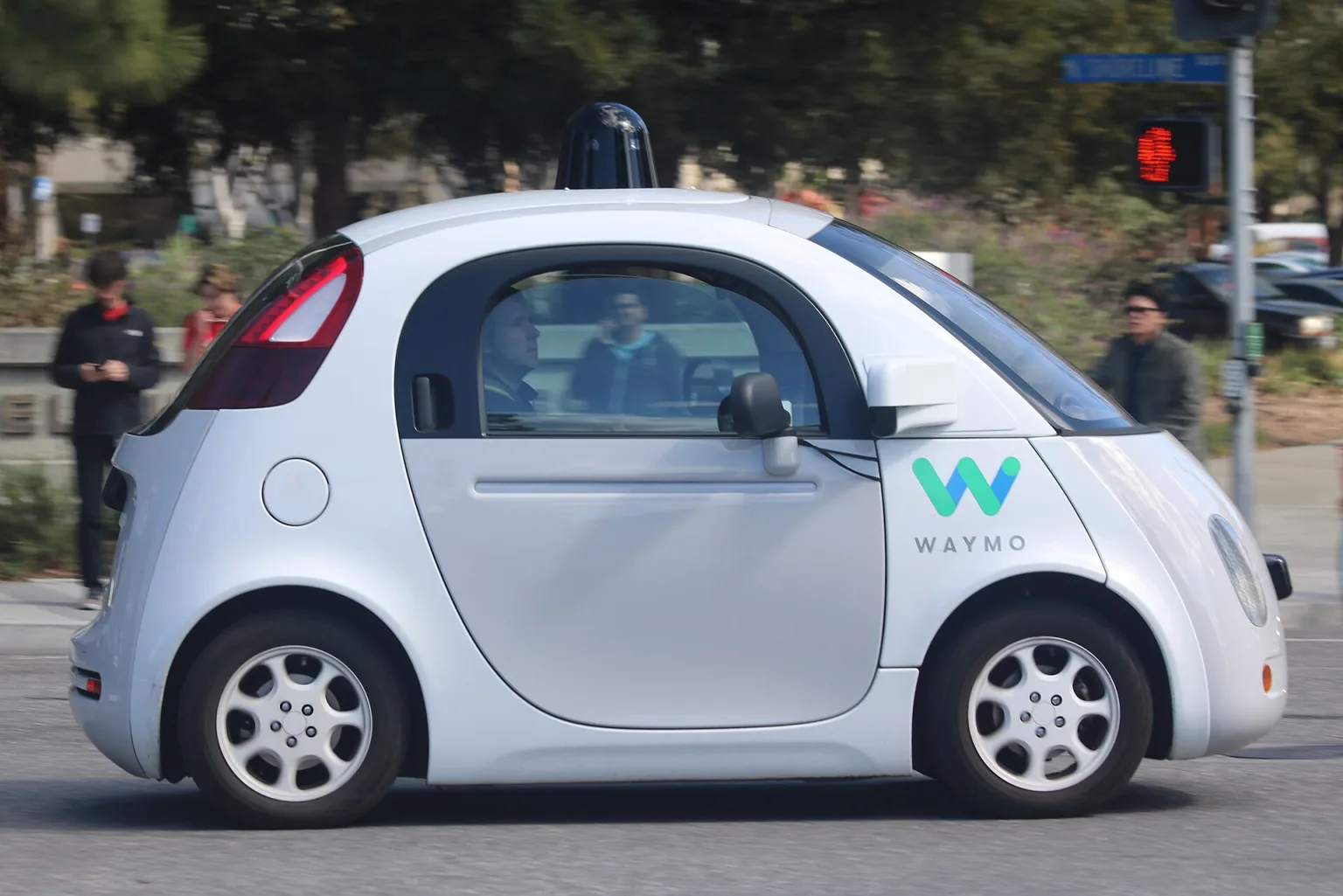
A draft bill from US House Republicans aims to centralise the regulation of autonomous vehicles by stripping state and local authorities of their power to set rules for the design and testing of self-driving cars. Instead, these responsibilities would be handed to the federal government, with the National Highway Traffic Safety Administration (NHTSA) named as the primary regulator for autonomous vehicles across the United States. As of July 2017, the legislation remained under discussion and had not yet passed into law.
Overview of the Proposed Legislation
Key Features of the Draft Bill
- Prevents states and cities from imposing their own rules on autonomous vehicle design and testing
- Establishes NHTSA as the main federal regulator for self-driving technology
- Blocks federal regulators from requiring pre-market approval for autonomous systems
- Aims to create a single national standard for autonomous vehicle regulation
Industry Motivation and Regulatory Context
Automakers and technology companies have advocated for a unified national framework, arguing that a patchwork of state and local regulations would complicate the development and deployment of self-driving technology. The proposed law addresses these concerns by centralising authority at the federal level, which could reduce compliance costs and accelerate innovation.
The bill also reflects industry resistance to pre-market approval, a regulatory approach considered during the Obama administration. That earlier proposal would have allowed federal regulators to review and pre-approve autonomous vehicle technology before it reached the market, similar to how the Federal Aviation Administration oversees new aircraft. Instead, the Republican proposal favours self-certification by manufacturers, with regulatory intervention only if issues arise after vehicles are on the road.
Potential Implications
| Stakeholder | Impact |
|---|---|
| Automakers and Tech Companies | Greater regulatory certainty and reduced compliance burden. Easier nationwide deployment of autonomous vehicles. |
| States and Cities | Loss of authority to set or enforce their own rules on autonomous vehicle testing and design. |
| Federal Regulators (NHTSA) | Gain authority to set national standards, but limited by lack of pre-market approval powers. |
| Consumers | Potential for faster rollout of self-driving technology, but with oversight focused on post-market intervention. |
Comparison with Other Jurisdictions
The debate over how to regulate autonomous vehicles is not unique to the United States. The UK and European Union have also taken steps to clarify national rules for self-driving vehicles, seeking to balance innovation with safety oversight. For example, the UK has introduced its own Automated Vehicles Bill and initiated autonomous taxi trials as part of its approach to the sector.