Romney Pledges to End Federal Funding for EV Firms if Elected
Mitt Romney told voters he would halt government support for electric vehicle companies such as Fisker and Tesla, criticising Obama’s clean energy investments during the 2012 US presidential campaign.
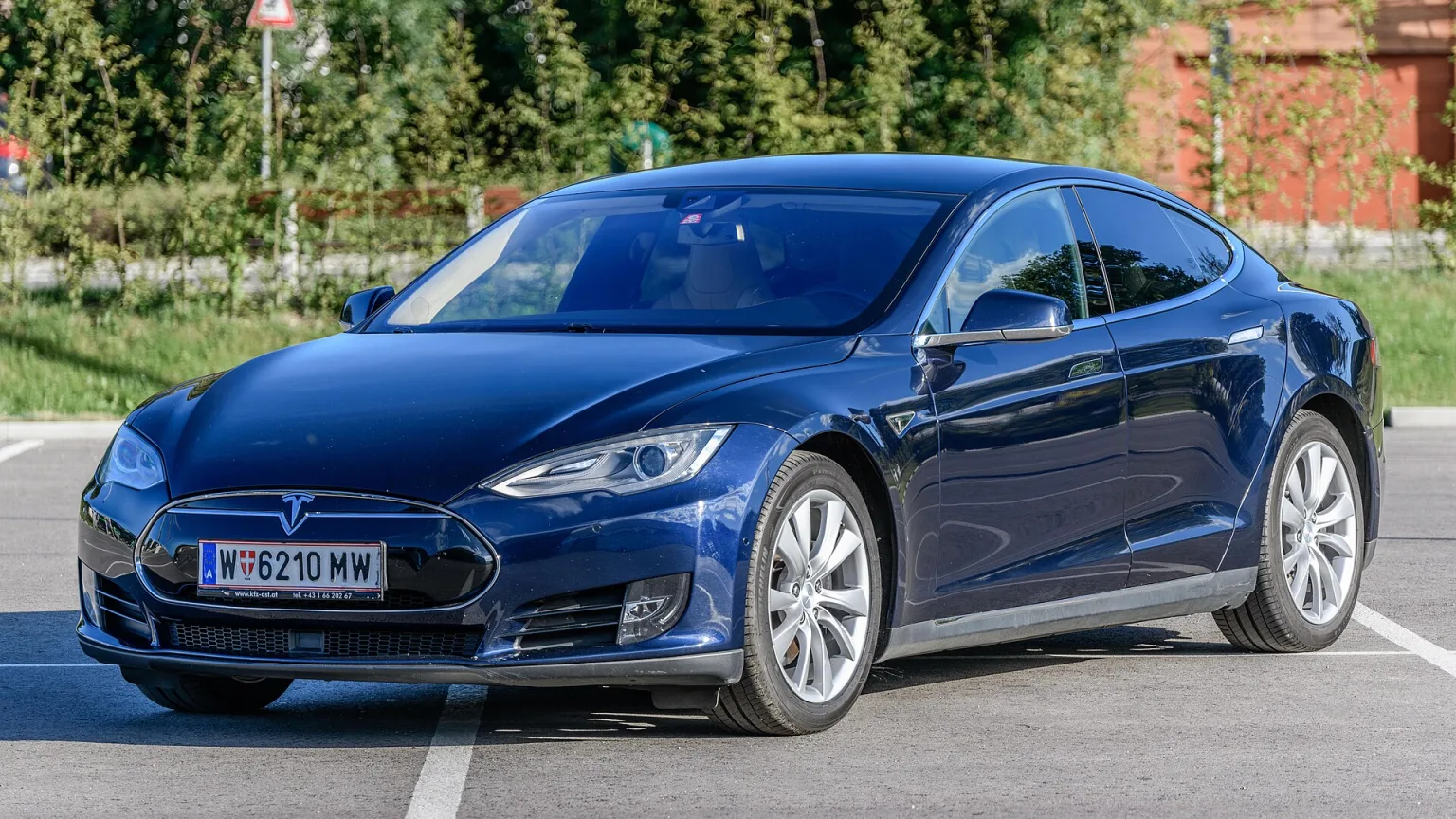
Mitt Romney stated during the 2012 US presidential campaign that he would end government funding for electric vehicle companies if elected. The Republican candidate criticised the Obama administration’s approach to supporting clean energy businesses, singling out electric car makers Fisker Automotive and Tesla Motors, as well as battery supplier A123 Systems.
Romney’s stance on clean energy funding
Speaking at a campaign event in Iowa and during the first presidential debate in October 2012, Romney argued that federal loans and grants to green technology companies had resulted in wasted taxpayer money. He cited the bankruptcy filings of companies such as Solyndra, Ener1 and A123 Systems, which had all received government support. Romney described these firms as “losers” and said that, if elected, he would redirect funding away from specific electric vehicle and solar companies and instead invest in basic energy research.
A123 Systems, a supplier of lithium-ion batteries for electric vehicles, filed for Chapter 11 bankruptcy protection in October 2012 after failing to meet a debt payment deadline. The company’s financial collapse added weight to Romney’s criticism of the Obama administration’s green energy programmes.
Impact on electric vehicle manufacturers
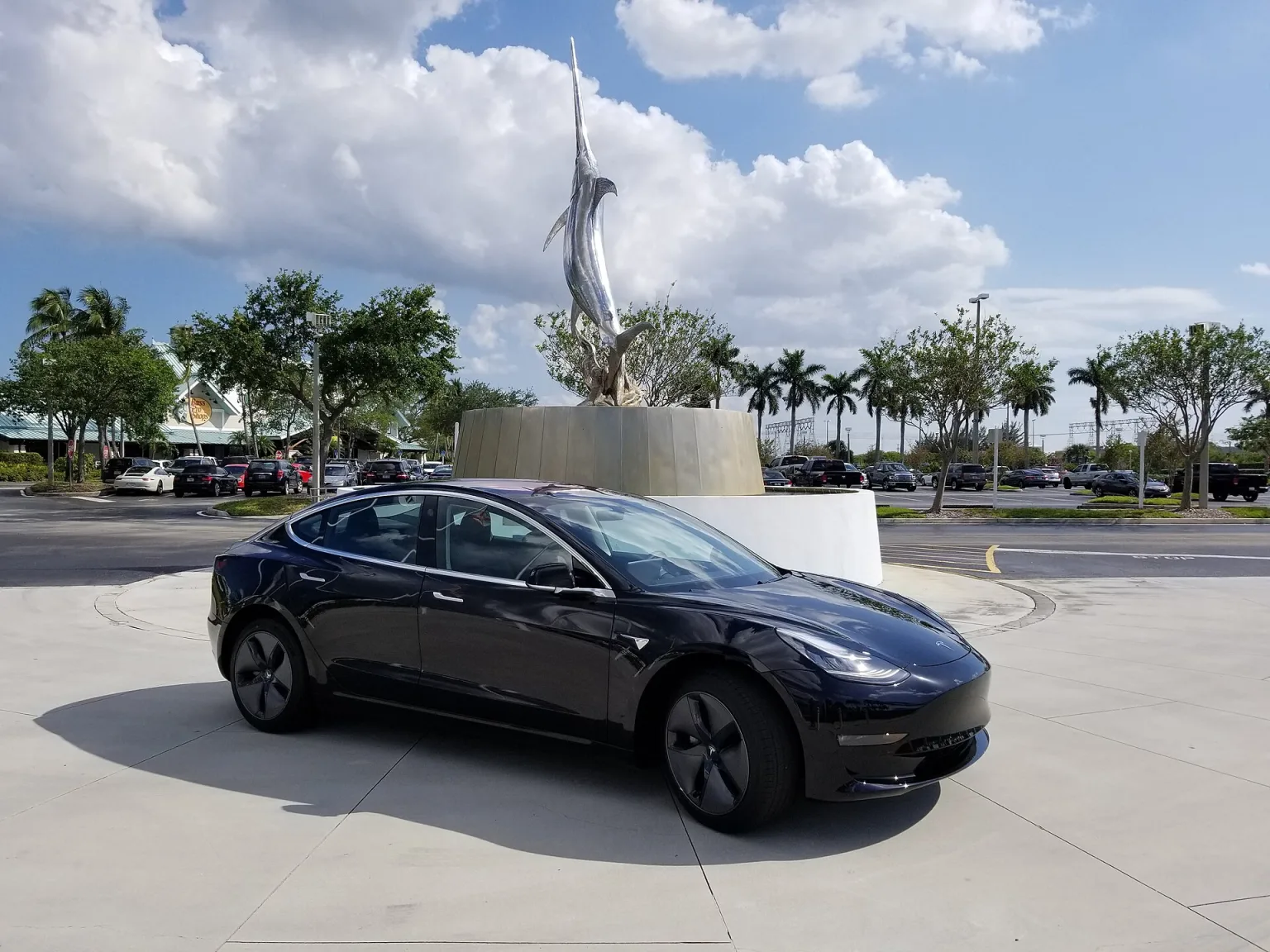
Fisker Automotive had already been cut off from its government loan after missing agreed milestones. Tesla Motors, however, remained in a different position. At the time, Tesla CEO Elon Musk announced the company would make an early repayment on its US Department of Energy loan, aiming to demonstrate the firm’s financial stability despite the wider criticism of the sector.
Romney’s proposal to halt federal support for electric vehicle companies marked a clear policy difference from the Obama administration, which had positioned clean energy investment as a pillar of its economic and environmental strategy. The outcome of the election would determine whether federal backing for firms like Tesla and Fisker continued or ended.
Context: government loans and EV sector challenges
Federal loans and grants had played a central role in supporting US electric vehicle and battery manufacturers during the late 2000s and early 2010s. While some companies, such as Tesla, managed to survive and expand, others struggled to meet production and financial targets, leading to high-profile bankruptcies and political controversy.
Romney’s criticism reflected broader debate in US politics over the government’s role in fostering new automotive and energy technologies. The 2012 presidential election became a flashpoint for this discussion, with the future of federal support for electric vehicles directly at stake.