S&P Lowers Outlook for Six Japanese Carmakers After Earthquake Disruption
Standard & Poor’s has revised its outlook to negative for Toyota, Honda, Nissan and three major suppliers, citing ongoing production stoppages following Japan’s 2011 earthquake and tsunami.

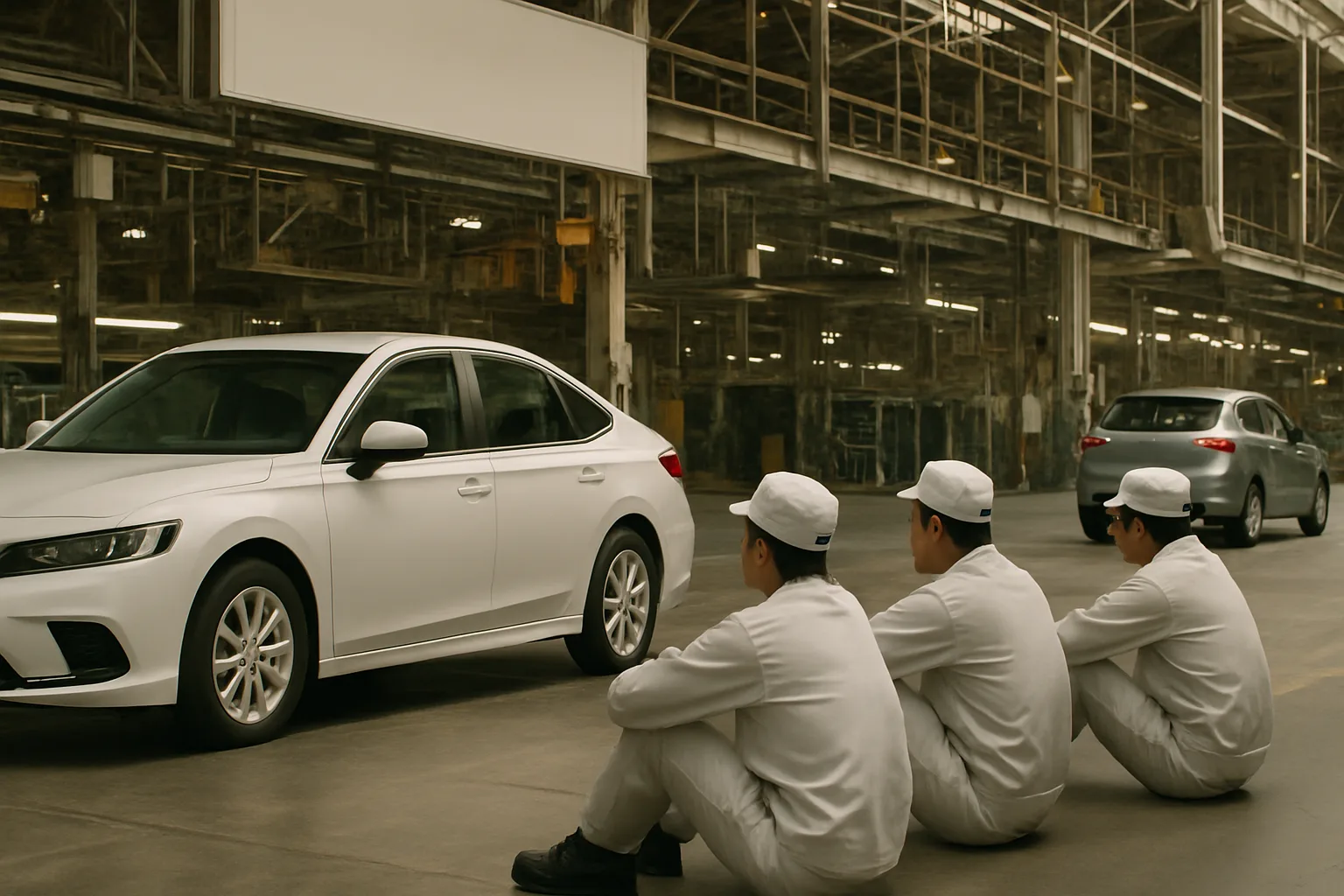
Standard & Poor’s has lowered its outlook on the credit ratings of six leading Japanese automotive companies, including Toyota, Honda and Nissan, following the severe production disruptions caused by the March 2011 earthquake and tsunami. The move reflects concerns that ongoing supply chain issues and factory stoppages could erode the global competitiveness of Japan’s largest carmakers.
Six major Japanese firms face negative outlook
The ratings agency announced on Monday that it had revised its outlook to negative from stable for Toyota Motor Corporation, Honda Motor Company, Nissan Motor Company and three key Toyota suppliers: Aisin Seiki, Denso and Toyota Industries. While S&P did not downgrade the companies’ actual credit ratings, it warned that prolonged output disruptions could undermine their share in critical global markets, particularly as rivals recover more quickly from the crisis.
The earthquake and tsunami, which struck Japan in March 2011, severely damaged infrastructure and disrupted the supply of parts, forcing automakers to halt or scale back production at domestic and overseas plants. According to company reports, Toyota’s worldwide production in March dropped by 29.9 percent to 542,465 vehicles. Output at subsidiaries Daihatsu and Hino was also sharply lower.
Threat to global market positions
The extended production stoppages have left Toyota vulnerable to losing its position as the world’s largest carmaker. Analysts at Tokai Tokyo Research Center estimate that General Motors could overtake Toyota in global production for 2011, with Volkswagen also closing the gap. This shift would mark a reversal after several years in which Japanese firms, particularly Toyota, dominated global rankings.
S&P expects partial recovery later in 2011
Despite the negative outlook, S&P affirmed the existing credit ratings for all six companies. The agency said it expects the impact of the disaster to be less severe than the 2008 financial crisis, noting that demand in North America and emerging markets remains robust. S&P also pointed to the possibility that Japanese automakers could recover some lost production by ramping up output in the latter half of the year, provided supply chains stabilise.
The outlook revision adds to the pressure on Japanese manufacturers already facing a challenging recovery. The risk of further market share losses and the need to rebuild disrupted supply chains will remain central concerns for the industry as it works to restore normal operations.
Related coverage
- /peugeot-citroen-may-cut-5000-jobs-in-europe, PSA Peugeot Citroën to Cut 5,000 European Jobs Amid Cost Pressures
- /uk-honda-to-cut-340-jobs-as-exports-fell, Honda to Cut 340 Jobs at Swindon as Export Demand Slumps
- /volvo-to-cut-production-at-its-ghent-plant-in-belgium-from-2013, Volvo to Slow Production at Ghent Plant as Demand Falls