Formula One’s Handkammer Technology Inspires Tesla Battery Leap
Graphene-based supercapacitors, developed with input from F1’s energy storage expertise, promise faster charging and lighter batteries for future Tesla electric cars.

A new generation of graphene-based supercapacitors, developed by researchers with expertise in Formula One energy storage, is being touted as a breakthrough for electric vehicles. The technology, which uses carbon nanotube films as highly efficient current collectors, could allow Tesla and other manufacturers to build cars with lighter, faster-charging batteries embedded directly into body panels.
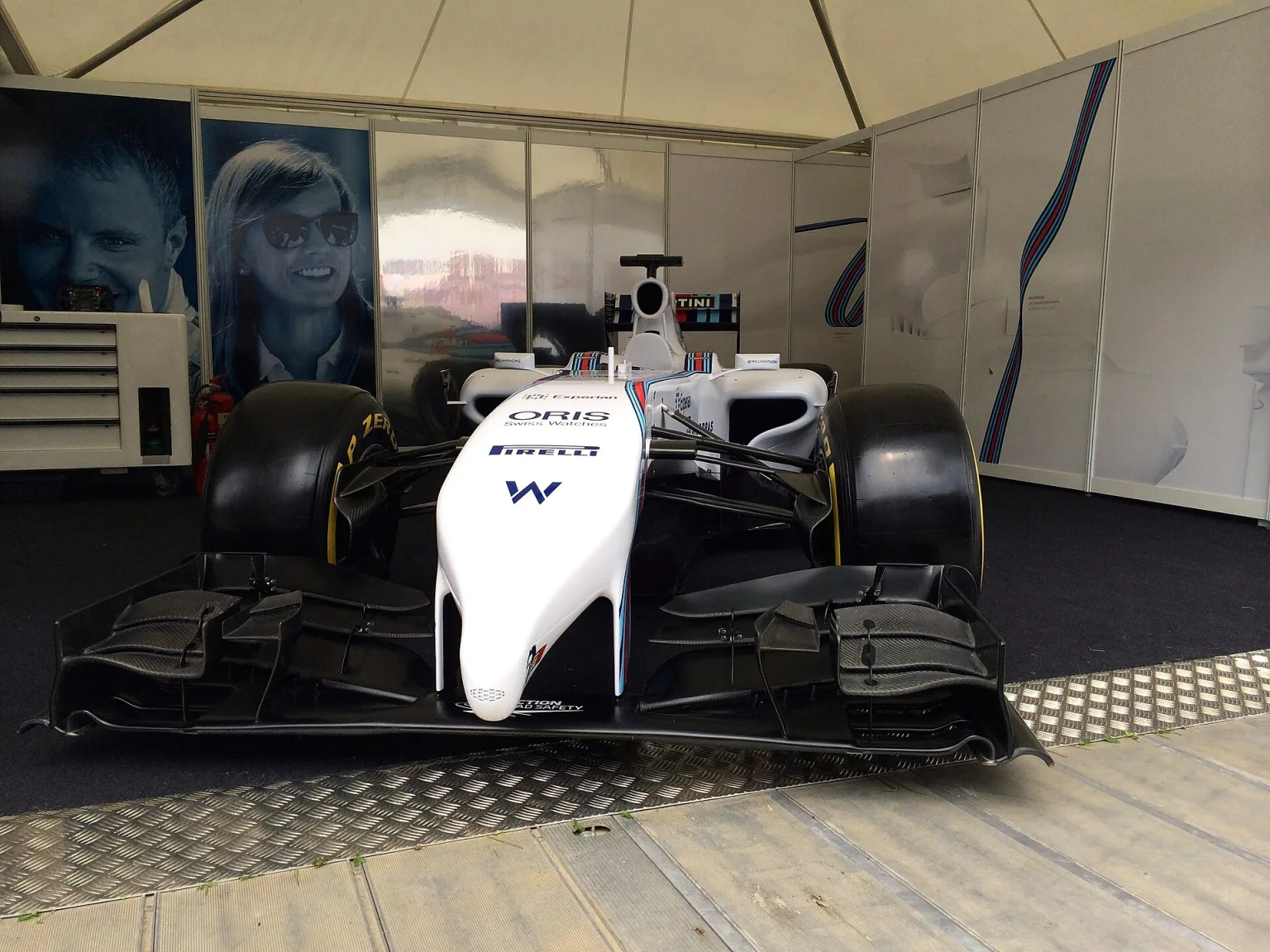
The Queensland University of Technology, working with Rice University in Houston, has produced a flexible film combining graphene and carbon nanotubes. This film acts as both electrode and current collector, storing energy in a thin layer that can be applied to doors, roofs or floors. The approach draws on techniques familiar to Formula One teams, who have led the way in energy recovery and rapid power delivery systems.
How supercapacitors differ from conventional batteries
Unlike standard lithium-ion batteries, supercapacitors can release their stored energy almost instantly. This makes them ideal for providing the bursts of power needed for acceleration. While current supercapacitors have lower energy density than batteries, their ability to charge in minutes, and their potential for further development, has attracted attention from Tesla and other carmakers seeking to overcome the limitations of today’s EVs.
The researchers’ solid-state supercapacitor achieved energy densities between 8 and 14 Wh per kg, with power densities as high as 450 kW per kg. These figures are well suited to applications where rapid discharge and recharge cycles are needed, such as regenerative braking and acceleration, core areas of Formula One’s hybrid technology over the past decade.
Implications for Tesla and the wider EV market
Tesla’s interest in advanced energy storage is well documented. Incorporating supercapacitors into the structure of its vehicles could deliver two major benefits: a significant reduction in overall weight and the ability to recharge in minutes rather than hours. Researchers say a car using these panels could match the 500 km range of a typical petrol car, more than doubling the range of most current electric models.
The use of carbon materials, rather than metals such as lithium, could also bring down costs and reduce environmental impact. The technology’s flexibility means it could be applied not only to cars but also to consumer electronics, such as smartphones, for rapid charging.
What happens next?
Researchers believe that within five years, cars with body-integrated supercapacitors could reach production. For Tesla and other manufacturers, the challenge will be scaling up production and integrating these panels into existing vehicle architectures. If successful, the technology could reshape expectations for electric vehicle performance and convenience.