Volkswagen XL1 Outstrips Demand with Just 200 Cars Available
Volkswagen faces overwhelming demand for its ultra-efficient XL1, with far more interested buyers than the 200 units it plans to produce.
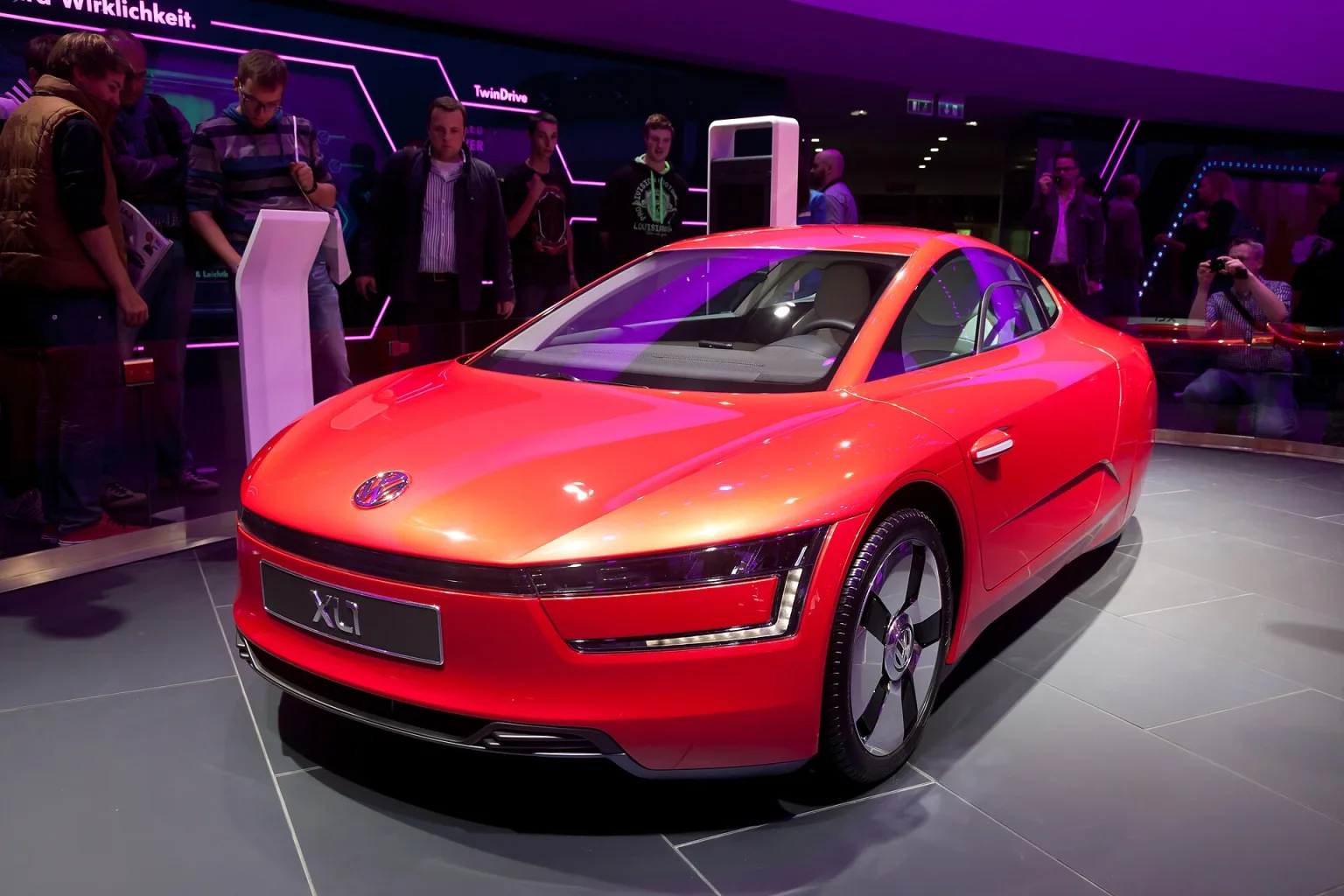
Volkswagen’s XL1 is not just another car, it is a statement of engineering ambition. When the German automaker unveiled this ultra-efficient plug-in hybrid, it was clear that the XL1 was never intended for mass production. Instead, Volkswagen set out to demonstrate how far fuel efficiency, lightweight construction, and advanced aerodynamics could be pushed in a production vehicle. What followed was a surge of interest that far exceeded the limited supply, resulting in a rare situation where demand outstripped availability by a considerable margin.
With only 200 units planned for production and a price tag of around €110,000 in Germany, the XL1 is positioned as a technological flagship. Despite its high cost and modest performance compared to sports cars or luxury saloons, the car’s rarity and innovative design have attracted attention from collectors, automotive enthusiasts, and those with a keen interest in cutting-edge technology. The XL1’s appeal lies not in outright speed or opulence, but in its role as a showcase for what is possible when efficiency is prioritised above all else.
Volkswagen XL1: Demand Surpasses Supply
In late 2013, Volkswagen confirmed that interest in the XL1 had significantly outpaced the number of cars available for sale. The company announced that it had received more expressions of interest than the 200 vehicles scheduled for production, prompting the need for a selection process to determine which customers would be offered the chance to purchase the car. Volkswagen has not released details on how this selection process would work, stating only that further information would be provided at a later date. This exclusivity has only heightened the XL1’s allure, as prospective buyers await news on whether they will be among the select few able to own one.
The Volkswagen XL1 Project: Engineering Focus
The XL1 was conceived as a demonstration of Volkswagen’s engineering capabilities, rather than as a mass-market product. Its development focused on minimising fuel consumption and emissions, resulting in one of the most efficient production vehicles ever created. The car’s lightweight construction, achieved through extensive use of carbon-fibre reinforced polymer (CFRP), and its aerodynamic shape set new benchmarks for energy efficiency. The XL1’s drag coefficient of just 0.189 and its kerb weight of only 795 kg are key contributors to its remarkable fuel economy.
The decision to limit production to 200 units underscores the car’s status as a technological showcase. For Volkswagen, the XL1 is a milestone in the development of plug-in hybrid technology, as well as a collector’s item for those able to secure one of the rare vehicles.
Powertrain, Performance, and Efficiency
At the heart of the XL1 is a plug-in hybrid system that combines a two-cylinder 800cc TDI diesel engine with a 27 hp electric motor. The diesel engine produces 47 hp, while the electric motor draws power from a 5.5 kWh lithium-ion battery, providing an electric-only range of up to 50 km (31 miles). The system delivers a combined output of 74 hp to the rear wheels via a dual-clutch automatic gearbox.
| Engine | 800cc two-cylinder TDI diesel |
|---|---|
| Electric Motor | 27 hp |
| Battery Capacity | 5.5 kWh |
| Combined Power Output | 74 hp |
| 0-100 km/h | 12.7 seconds |
| Top Speed | 160 km/h (100 mph) |
| Electric Range | 50 km (31 miles) |
| Official Fuel Consumption | 313 mpg UK |
| Price (Germany) | €110,000 |
The XL1’s performance figures are modest, with a 0 to 100 km/h time of 12.7 seconds and a top speed electronically limited to 160 km/h (100 mph). However, the car’s true achievement is its fuel consumption: an official figure of 313 mpg UK, making it one of the most fuel-efficient production cars at the time of its release. This efficiency is the result of a holistic approach that includes lightweight materials, advanced aerodynamics, and a powertrain optimised for low energy consumption.
Engineering Innovations: Lightweight and Aerodynamics
A major factor in the XL1’s efficiency is its construction. The use of carbon-fibre reinforced polymer for the body keeps weight to a minimum, while maintaining structural strength. The car’s compact two-seat layout, narrow tyres, and covered rear wheels all contribute to reduced rolling resistance and improved aerodynamics. Traditional wing mirrors are replaced by cameras, further lowering drag.
These engineering choices make the XL1 a study in efficiency-focused design. Every aspect of the car, from its dimensions to its materials, has been optimised to reduce energy consumption and emissions.
Customer Impact: Selection Process and Ownership
Volkswagen’s announcement that demand exceeds supply has left many prospective buyers in anticipation. The company has not disclosed the criteria for its selection process, and it remains unclear whether preference will be given to early applicants, existing Volkswagen customers, or buyers from specific markets. With only 200 units available, some interested customers will inevitably be disappointed.
For those selected, ownership of the XL1 represents a rare opportunity to be part of automotive history. The car’s exclusivity, combined with its technical achievements, ensures that it will be highly sought after by collectors and enthusiasts alike. The high price positions the XL1 alongside high-performance and luxury models, but its appeal is rooted in innovation rather than outright speed or luxury.
The XL1 in Volkswagen’s Line-up and the Wider Market
Within Volkswagen’s range, the XL1 occupies a unique niche. Unlike mainstream models such as the e-Golf or Golf GTE, which are designed for everyday usability and broader appeal, the XL1 is a technological flagship. Its carbon-fibre construction, extreme focus on aerodynamics, and advanced plug-in hybrid powertrain set it apart as a demonstration of engineering ambition.
Other manufacturers have also produced ultra-low-volume models to showcase new technology, such as the BMW i8 and the first-generation Honda Insight. However, the XL1’s production run is even more limited, and its single-minded focus on efficiency distinguishes it from these rivals. The strong demand for the XL1, despite its compromises in practicality and high cost, highlights the ongoing interest in vehicles that push the boundaries of what is possible.
Conclusion: The XL1’s Lasting Legacy
The Volkswagen XL1 stands as a testament to what can be achieved when efficiency, lightweight engineering, and advanced aerodynamics are placed at the forefront of automotive design. The car’s overwhelming demand, despite its limited practicality and high price, shows that there is a strong market for technological showcases that redefine expectations. With only 200 units produced and a selection process in place, the XL1 is set to become a collector’s item and a reference point for future plug-in hybrid development.
What works
- Ultra-efficient plug-in hybrid powertrain
- Carbon-fibre body and advanced aerodynamics
- Extremely low fuel consumption (313 mpg UK)
- Unique and rare collector’s item
What does not
- High price compared to mainstream hybrids
- Limited practicality (two seats, compact size)
- Only 200 units available, making ownership exclusive
- Modest performance compared to similarly priced cars