Tesla Autopilot Crash: Authorities Say Vehicle Was Speeding
Investigators confirmed the Tesla Model S involved in the fatal Florida crash was travelling 9 mph over the speed limit with Autopilot engaged.
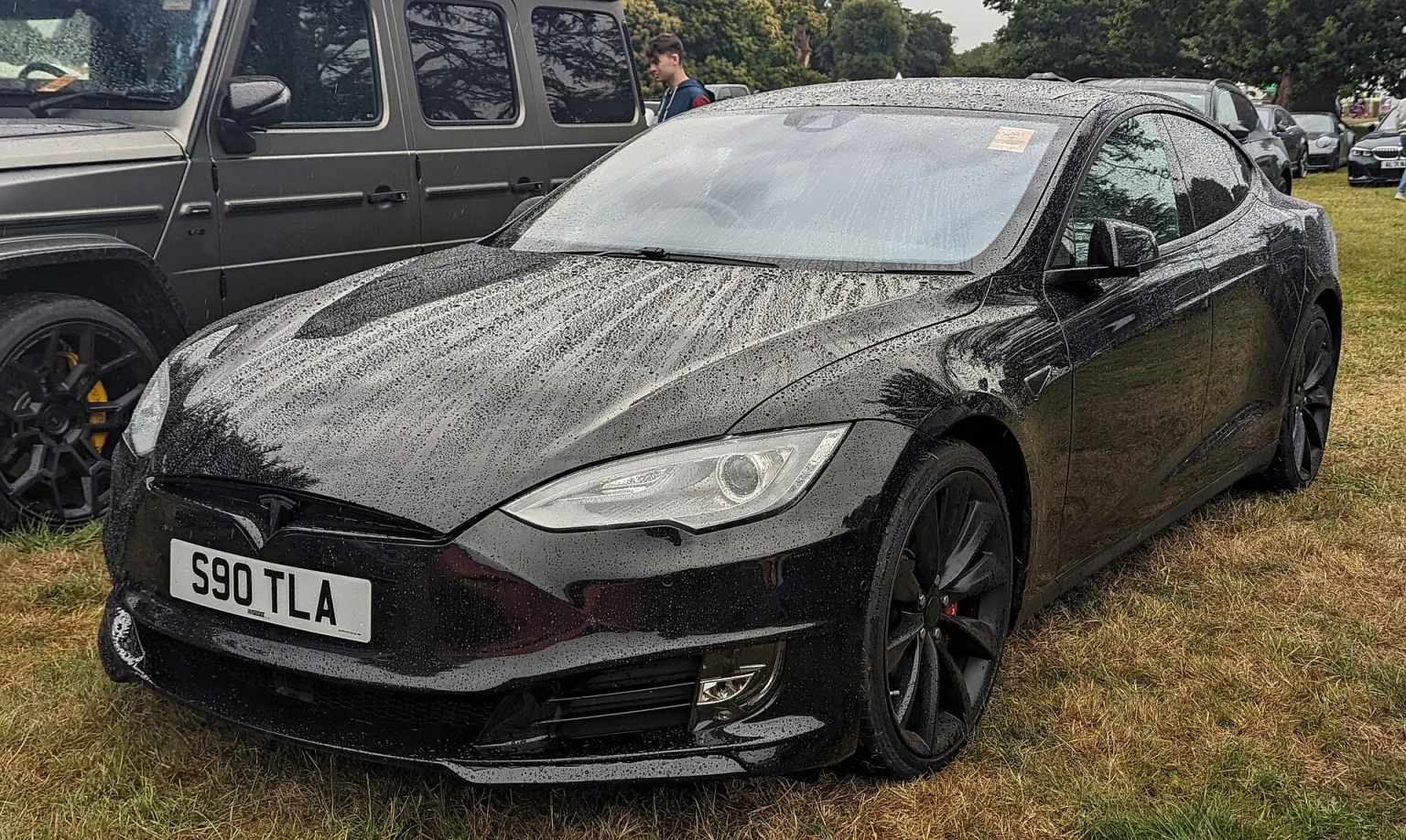
US safety investigators have determined that the Tesla Model S involved in the fatal Autopilot crash in Florida was travelling at 74 mph in a 65 mph zone when it collided with a tractor trailer on 7 May. The National Transportation Safety Board (NTSB) released preliminary findings confirming the vehicle was exceeding the posted speed limit by 9 mph at the time of the accident.
Autopilot and active safety systems engaged
The 2015 Tesla Model S had its Autopilot system switched on, with both Autosteer and Traffic-Aware Cruise Control active when the crash occurred. The NTSB stated that all automated systems were functioning as intended in the moments leading up to the collision. Automatic emergency braking was also available on the car. Despite this, neither the driver nor the vehicle initiated braking before the car struck the trailer.
Tesla said that neither Autopilot nor the driver noticed the white side of the trailer against the bright sky, which meant the brakes were not applied. The Model S hit the trailer and slid underneath, resulting in the death of the driver, Joshua Brown. The National Highway Traffic Safety Administration (NHTSA) has also launched a preliminary investigation into the design and performance of Tesla's automated driving systems in use at the time of the crash.
Speeding and system limitations under scrutiny
The NTSB's confirmation that the Tesla was speeding adds another layer to the ongoing examination of automated vehicle safety. The crash highlights the limitations of current semi-autonomous systems, particularly in complex real-world scenarios where both human and machine may fail to recognise hazards. The investigation continues as authorities seek to understand how the interplay between driver behaviour and automation contributed to the fatal outcome.