Hanergy reveals four solar-powered concept cars in China
Chinese solar firm Hanergy has unveiled four concept vehicles fitted with thin-film solar panels, promising limited solar-only range and striking designs across sports, MPV and city car segments.

Hanergy, a Chinese multinational specialising in solar power, has revealed four concept cars in Beijing, each equipped with thin-film solar panels intended to extend driving range without reliance on external charging.
The four prototypes, Solar R, Solar L, Solar A and Solar O, each use the company’s proprietary thin-film solar cells mounted on various body panels. Hanergy claims the panels can deliver up to 80 kilometres of range after six hours in direct sunlight, though the figure depends heavily on weather and panel orientation. When the lithium-ion batteries are charged from the mains, the range is said to rise to 350 kilometres.
Four distinct concepts
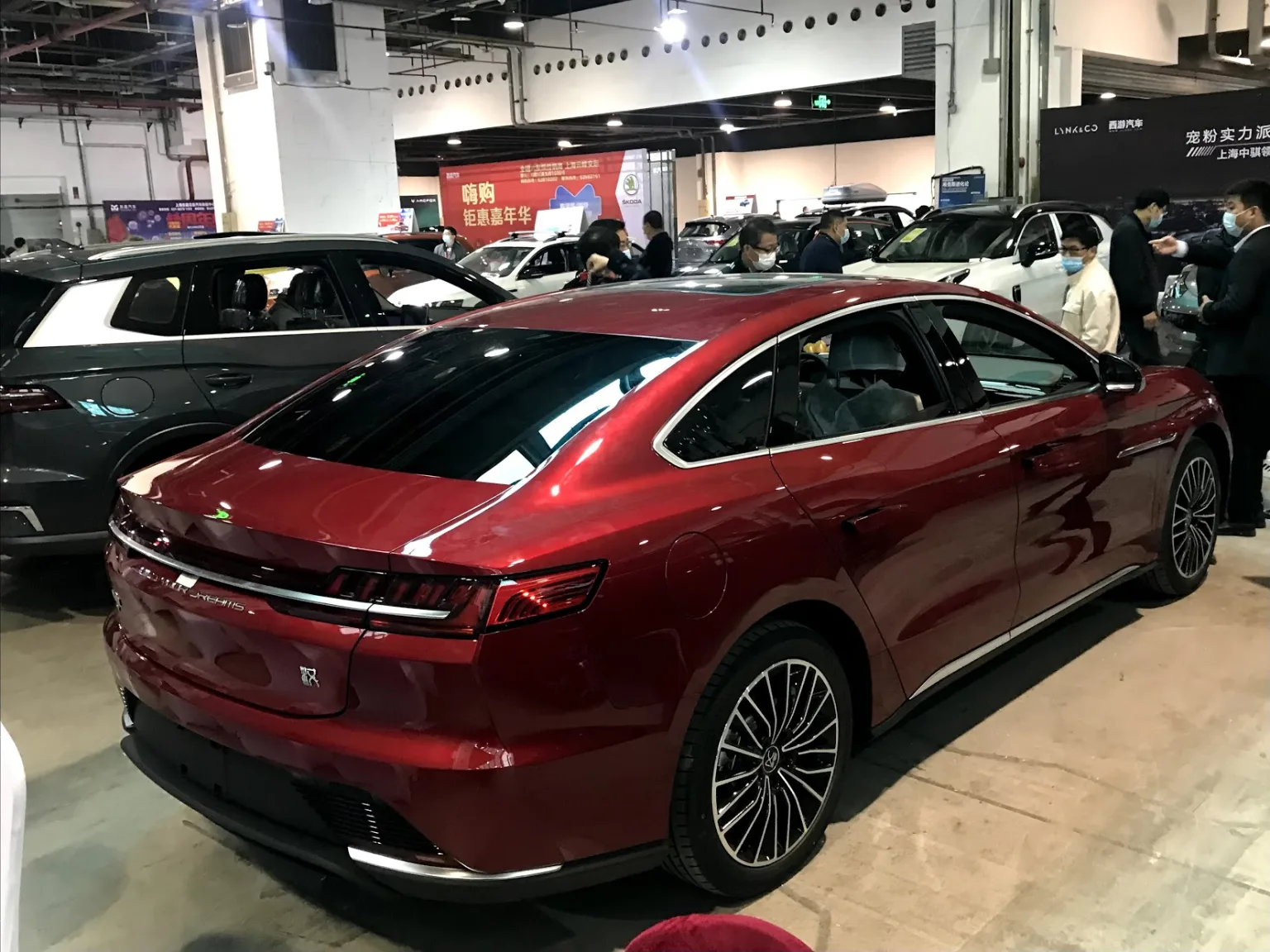
The Solar R is a low-slung sports car, distinguished by solar panels on the bonnet, roof and doors. It uses electric motors to drive all four wheels. The Solar L adopts the MPV format, with gullwing doors and a large solar panel dominating its roof. The Solar A features a wedge-shaped profile, a result of its oversized, extendable solar panels. The Solar O is designed as a city car, with compact proportions and two foldable electric scooters stored in the rear for last-mile mobility.
- Solar R: sports car with all-wheel drive and solar panels on bonnet, roof and doors.
- Solar L: MPV with gullwing doors and a large roof-mounted solar panel.
- Solar A: wedge-shaped design, extendable solar panels.
- Solar O: compact city car, solar panels on roof and bonnet, two foldable scooters in the boot.
Hanergy’s approach places solar charging at the centre of the vehicle concept, rather than as a supplementary feature. The company’s thin-film cells are lighter and more flexible than traditional silicon panels, making them easier to integrate into complex bodywork. The practical benefit for daily drivers remains constrained by solar energy’s inherent limits, but the prototypes highlight the potential for solar integration in future urban mobility solutions.
Range and practicality
Hanergy’s claimed 80km solar-only range is based on ideal conditions and may not reflect real-world use, especially in less sunny climates. The 350km range with conventional charging is more in line with current electric vehicles, but the unique selling point remains the ability to top up using only sunlight. For city commuters, especially in regions with high solar exposure, this could reduce reliance on charging infrastructure.
The company has not announced production plans or pricing for any of the concepts. At this stage, the cars serve as technology demonstrators for Hanergy’s solar cell business and as a statement of intent for further automotive partnerships.