Dutch Researchers Convert Hyundai ix35 Fuel Cell into Mobile Power Plant
A Delft University team has modified a Hyundai ix35 Fuel Cell SUV to supply up to 10kW of clean electricity to homes or the grid, demonstrating hydrogen vehicles' potential beyond transport.
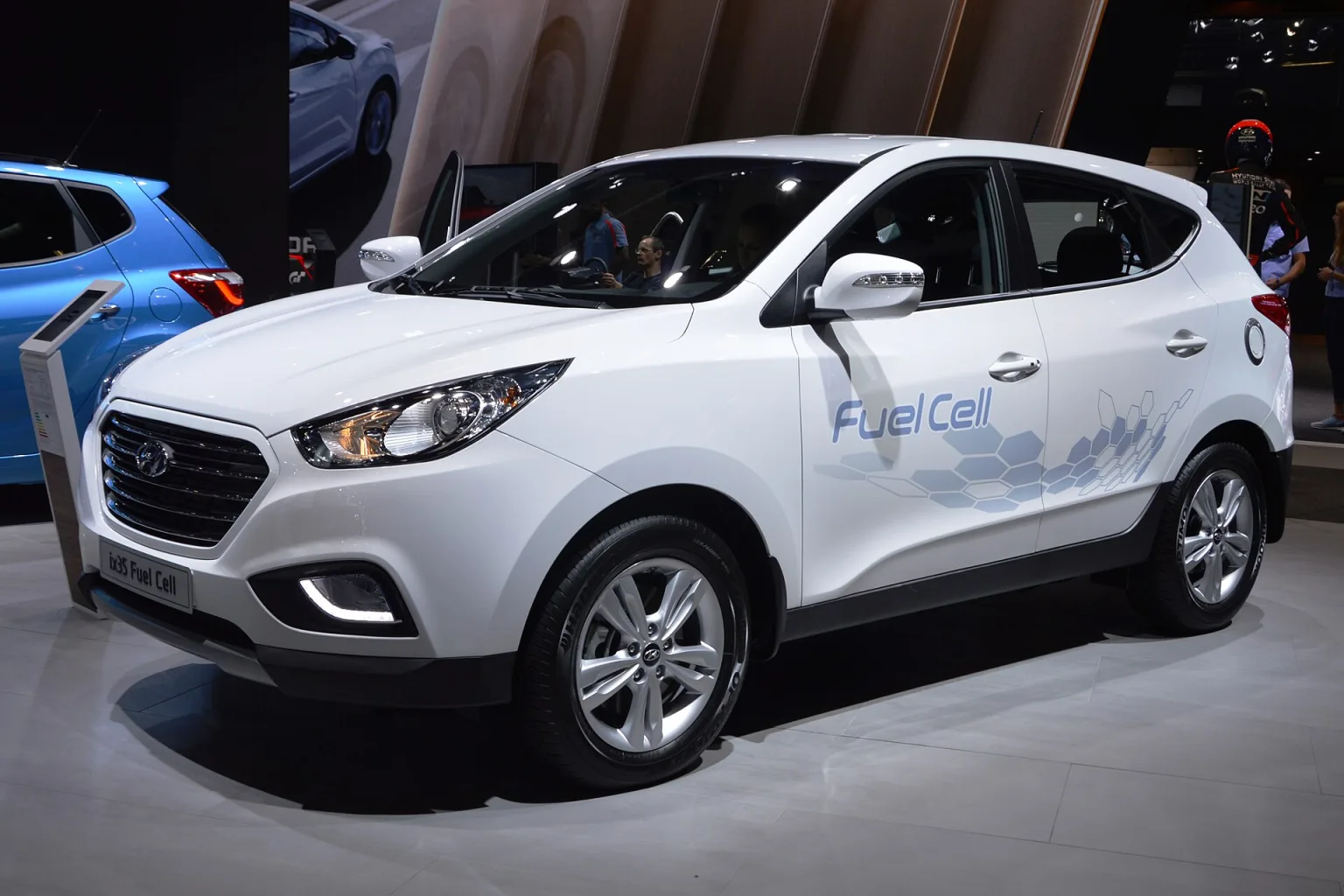
Researchers at Delft University of Technology in the Netherlands have modified a Hyundai ix35 Fuel Cell SUV to function as a mobile power plant, producing up to 10kW of electricity for domestic or grid use. The project demonstrates how fuel cell vehicles could provide clean power when parked, rather than remaining idle for most of their lives.

The Delft team engineered and installed a socket on the ix35 Fuel Cell, allowing it to serve as an electrical outlet. Once connected, the vehicle can distribute electricity either directly to a building or back into the grid, complementing renewable sources like wind and solar. According to the researchers, the car's output is enough to power about ten average homes. The system also produces heat and water as by-products, which could be utilised in buildings.
Fuel cell cars as energy assets
Traditional cars are used for transport only a small fraction of the time, leaving their energy potential untapped for most of the day. The Delft experiment highlights how hydrogen fuel cell vehicles could act as distributed energy resources, generating clean electricity when not in motion. Unlike conventional combustion engines, fuel cell vehicles emit only water vapour, making them suitable for emissions-sensitive environments.
Hyundai has promoted fuel cell technology for years, with the ix35 Fuel Cell representing the fourth generation of its hydrogen-powered vehicles. Earlier models included the Santa Fe FCEV (2000), Tucson FCEV (2004), and ix35 FCEV (2012). The company reports more than 250 ix35 Fuel Cell vehicles on European roads across 13 countries. Hyundai is continuing to develop new hydrogen models, with further details expected in future announcements (see Hyundai to Unveil New Hydrogen Fuel Cell SUV in 2017).
Practical implications and next steps
While the Delft project is experimental, it points to a future where fuel cell vehicles could help balance electricity supply and demand, especially as renewable generation grows. The ability to feed power back to the grid or support buildings during peak demand could make hydrogen vehicles valuable assets for owners and utilities. The approach also addresses concerns about the underutilisation of private cars, suggesting a broader role for vehicles in the energy system.