Haas Unfazed by Ecclestone’s F1 Team Comments Ahead of 2016 Entry
Gene Haas says his new Formula One team will stick to its 2016 debut plans, despite Bernie Ecclestone’s remarks about smaller teams and the sport’s future structure.

Gene Haas has insisted his Formula One team’s 2016 entry is not under threat, despite Bernie Ecclestone’s public comments about the future structure of the grid and the viability of smaller teams.
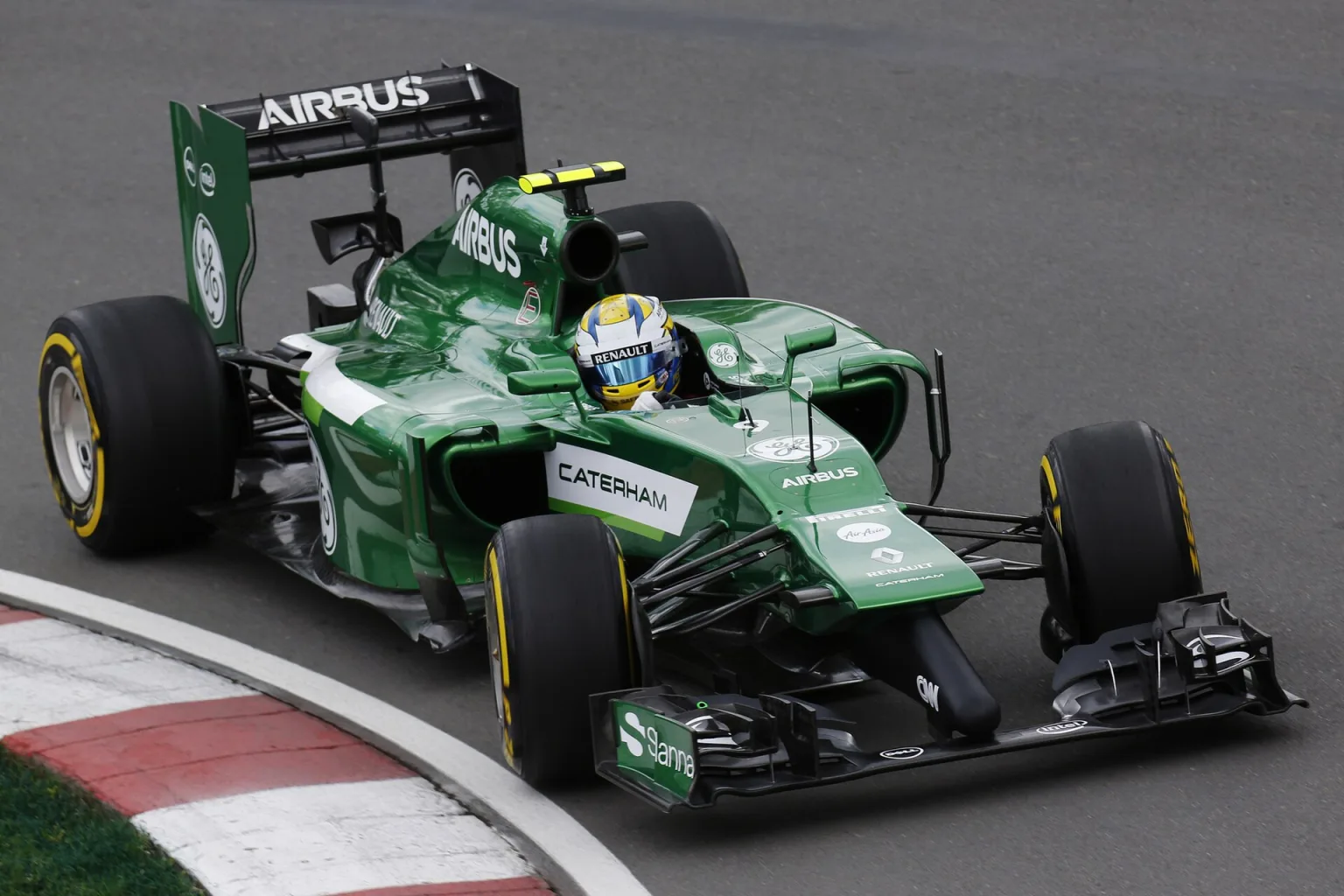
Ecclestone, then Formula One’s commercial chief, had recently floated the idea that the sport might be better served by eight teams running three cars each, rather than a larger number of financially vulnerable entrants. His remarks came as Caterham faced collapse, with Ecclestone telling The Sun he would rather see teams leave than operate on the brink of insolvency.
That stance raised questions about the prospects for new entrants like Haas, who had secured a slot for 2016. Speaking to CNN, Gene Haas played down any suggestion that Ecclestone’s views would derail his project. “We have a licence, we will be there. Unless something changes, that would be a shock to me,” Haas said.
Ecclestone’s preferred F1 structure and the impact on new teams
Ecclestone’s preference for fewer, stronger teams was not new, but his comments gained traction as Caterham and Marussia struggled to survive. The financial gulf between front-running and backmarker teams was stark, with Haas estimating annual budgets ranged from $50 million to $500 million. Haas said his operation aimed for the middle of that scale, positioning itself as a sustainable entrant rather than a shoestring operation.
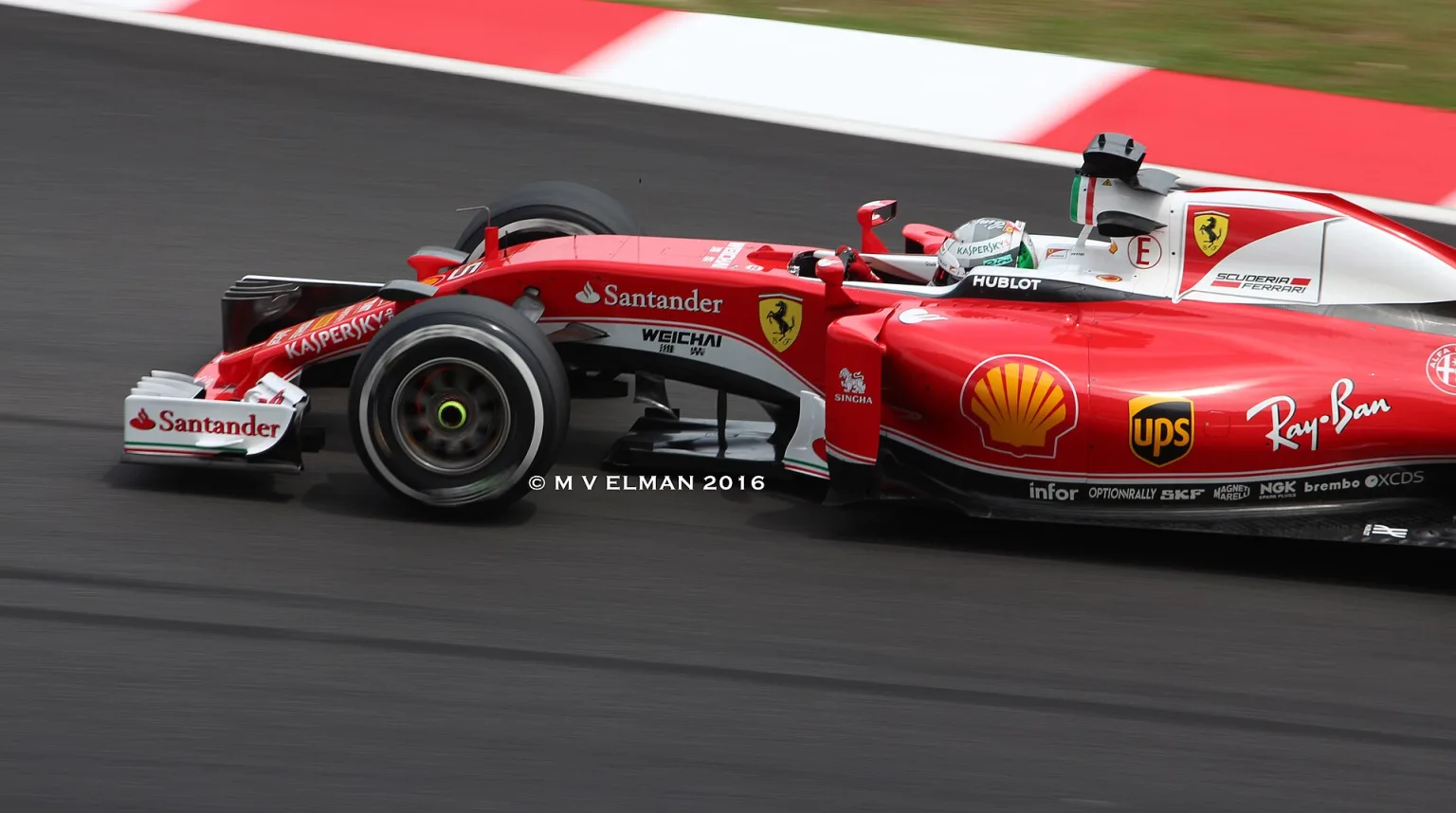
The American team’s preparations included a technical partnership with Ferrari, which extended beyond engine supply to supporting the basic car structure. Haas described Ferrari’s involvement as a key asset, stating that the Italian marque was committed to helping the team establish itself at a competitive level. Such backing was rare for a new team and positioned Haas differently from previous start-ups that had struggled to survive.
Caterham’s troubles and the risk for new entrants
Caterham’s financial crisis in late 2014 highlighted the precarious position of smaller teams. Ecclestone’s comments about not wanting teams “going around with begging bowls” underlined the sport’s hard line on financial viability. For Haas, the lesson was clear: only well-funded, well-prepared teams would be welcome in the new Formula One order.
Despite the uncertainty, Haas maintained that his project met the criteria demanded by Formula One’s top management. With a valid licence and Ferrari’s backing, the team continued its preparations for 2016, undeterred by speculation about a shrinking grid or changing entry requirements.
As the sport weighed up its future structure, Haas’s confidence and resources set his team apart from the troubled backmarkers. The 2016 season would test whether that was enough to ensure a stable entry in a changing Formula One.