Honda and McLaren Exploit F1 Penalty Cap at Spa
McLaren-Honda used the revised engine penalty rules at the 2015 Belgian Grand Prix to amass over 100 grid places’ worth of penalties without further race sanctions, prompting FIA concern.
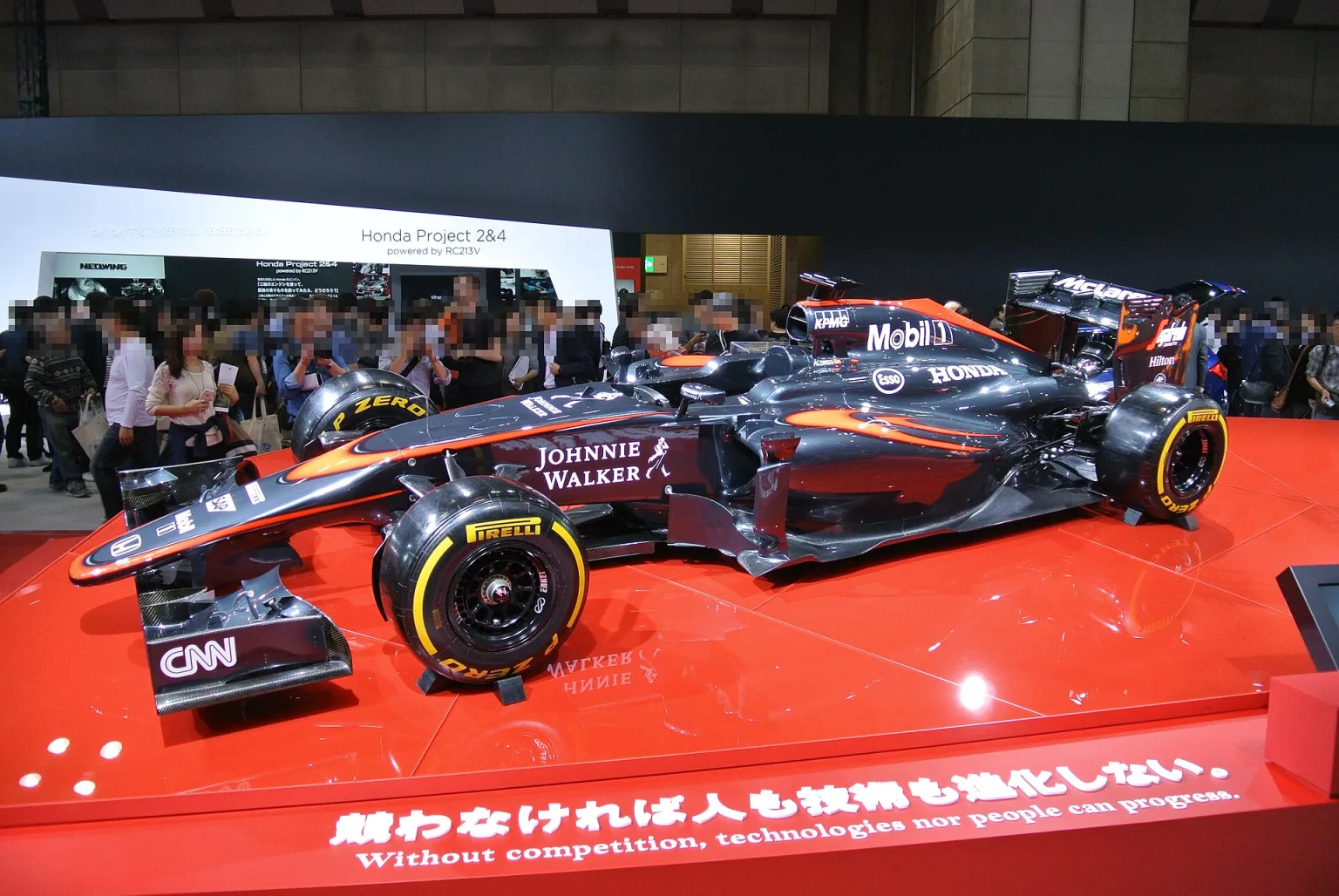
McLaren-Honda took full advantage of Formula One’s revised engine penalty system during the 2015 Belgian Grand Prix, collecting more than 100 grid-place penalties for engine changes but avoiding additional in-race penalties. The move has drawn criticism from the FIA, with race director Charlie Whiting admitting the rule was not intended to encourage such a strategy.
How McLaren-Honda Used the Rule
The 2015 season’s long-life engine regulations limited teams to four power units per driver. Exceeding this carried grid-place penalties, which previously spilled over into time or drive-through penalties if the grid demotion exceeded the number of cars. Fans and teams had criticised this, arguing it distorted race results and confused spectators. In response, the FIA capped penalties at the back of the grid, removing in-race sanctions for excess engine use.
At Spa, McLaren-Honda changed multiple engine components across both cars, accumulating penalties far beyond the 20-car grid. The team could not start lower than last, so it used the event to introduce new power units into its pool, aiming for greater reliability and flexibility for the rest of the season. McLaren’s Jonathan Neale described it as a deliberate strategy to secure a clearer run in upcoming races.
FIA Response and Future Implications
FIA race director Charlie Whiting confirmed the governing body had warned teams about abusing the revised rule. The intention was to reduce negative publicity and confusion from in-race penalties, not to create a loophole for teams to stockpile engines. Whiting said the rule was written in good faith, but acknowledged that McLaren-Honda’s approach at Spa went against its spirit.
The episode raised questions about whether further changes to the penalty system would be needed to prevent similar tactics. Other teams, including Ferrari, were also at risk of exceeding their engine allocations in 2015, but McLaren’s move at Spa was the most dramatic example of the loophole in action. For more on engine penalty developments affecting rival teams, seeFerrari facing penalties for fifth engine in 2015.