Chrysler Cuts Overtime in Ontario and Mexico as Japan Crisis Hits Parts Supply
Production at Chrysler’s Brampton and Toluca plants faces overtime cuts in April 2011 as Japanese earthquake disrupts electronic component supply.

Chrysler Group began cutting planned overtime at its Brampton, Ontario and Toluca, Mexico assembly plants in early April 2011, citing a need to conserve electronic components sourced from Japan after the earthquake and tsunami disrupted supply chains. This marks the company’s first direct production response to the Japanese crisis, which has affected automakers worldwide.
Japanese earthquake disrupts North American assembly
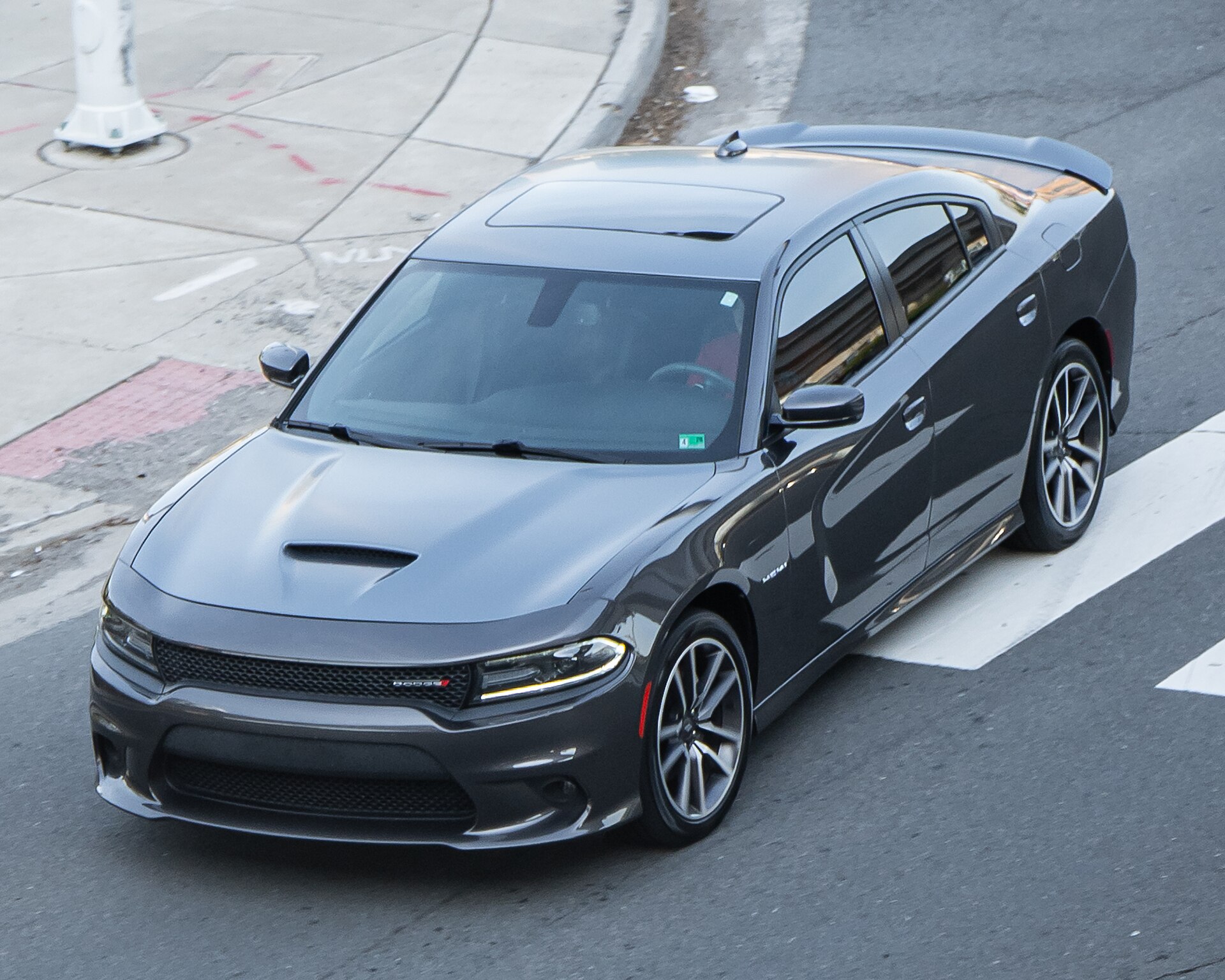
The Brampton facility produces the Dodge Charger, Dodge Challenger and Chrysler 300 saloons. Toluca assembles the new Fiat 500 and Dodge Journey. Chrysler said it had not yet altered regular production schedules, but the overtime cuts were a precaution to manage stocks of Japanese-sourced parts that could become scarce as supplier issues develop.
Analysts warned that while American automakers initially appeared insulated from the worst of the Japanese disaster, almost every North American-built vehicle contains some Japanese-made components. Chrysler’s move echoed similar actions by Ford, which suspended production of the F-Series pickup and Mustang to conserve parts. General Motors also halted pickup production at its Shreveport plant after the quake, as reported inGM halts Shreveport pickup production after Japan quake disrupts parts supply.
Windsor minivan plant idled for separate supply issues
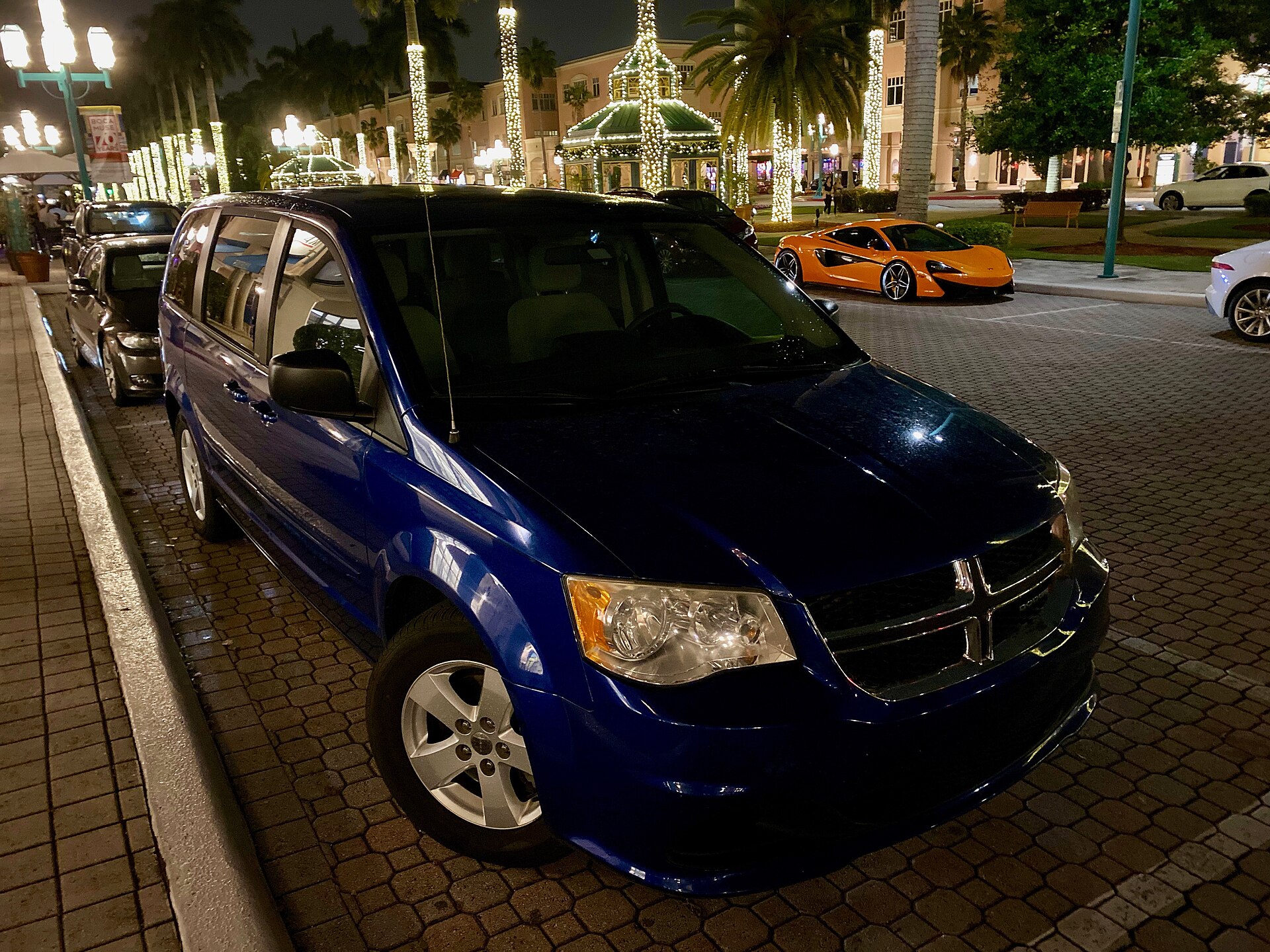
Chrysler’s Windsor, Ontario assembly plant, which builds the Dodge Grand Caravan, Chrysler Town & Country and Volkswagen-badged minivans, was idled the same week. The company said this stoppage was not related to Japanese parts shortages, but rather ongoing supply constraints that pre-dated the earthquake. Strong demand for vehicles had already begun to strain global parts suppliers before the disaster in Japan further complicated logistics.
Industry braces for further disruption
While Chrysler’s overtime cuts were limited, the company and its rivals faced the prospect of deepening supply problems as Japanese suppliers worked to restore operations. The full extent of the disruption was expected to become clearer through the spring and summer of 2011 as inventories of critical parts ran down. The situation highlighted the interconnectedness of the global automotive supply chain and the vulnerability of North American manufacturing to shocks thousands of miles away.
Chrysler’s measured response allowed regular production to continue for the time being, but the company left open the possibility of further adjustments if Japanese parts shortages worsened. The experience mirrored broader industry concerns, as manufacturers across North America monitored supplier recovery efforts in Japan closely.