OnStar Data Collection Policy Draws Scrutiny After Service Cancellation
General Motors’ OnStar continues to collect and potentially sell anonymised vehicle data even after customers cancel their subscription, unless drivers explicitly opt out.
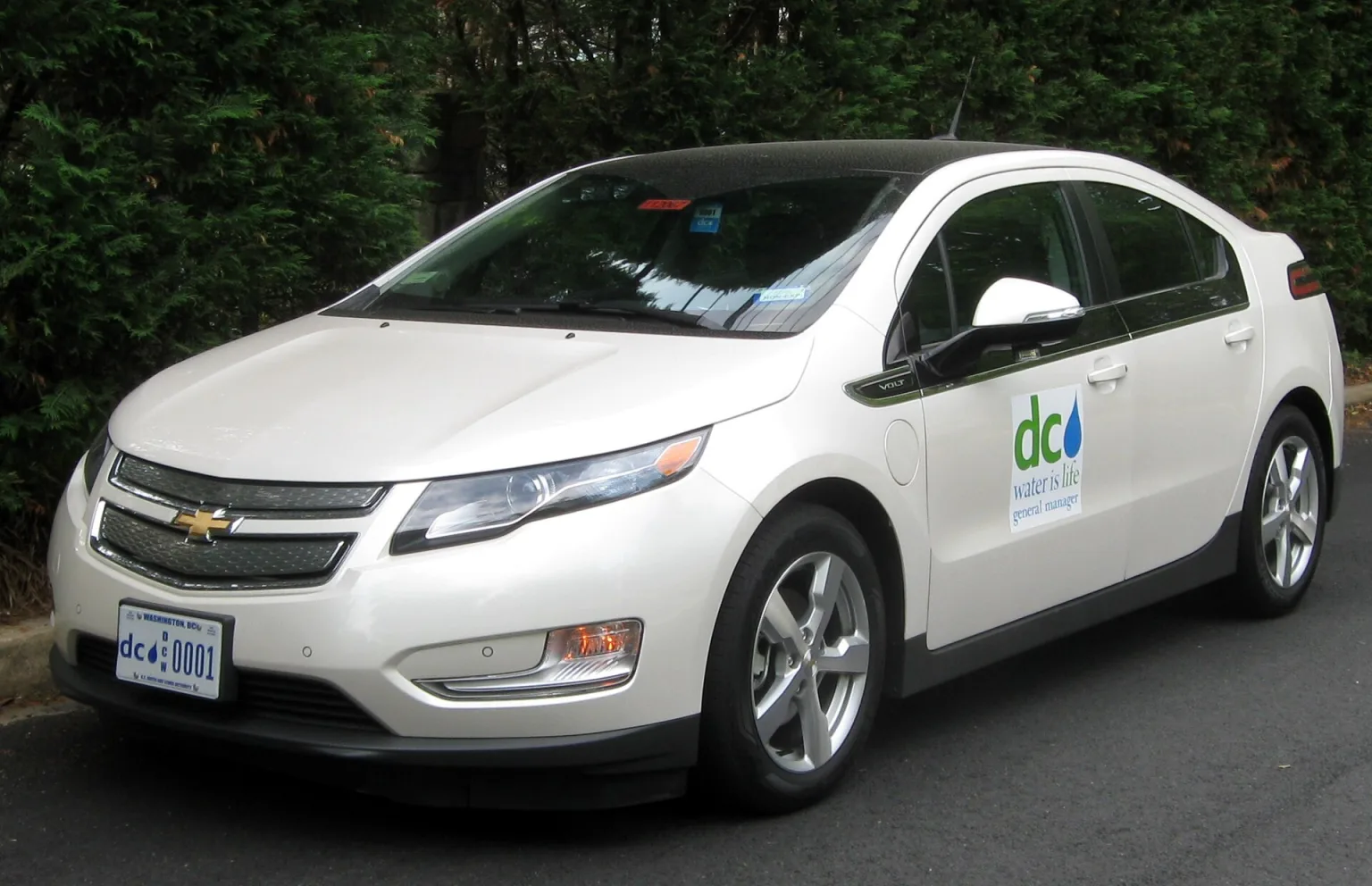
General Motors’ OnStar unit has come under renewed criticism after it emerged that the company continues to collect data from vehicles even after customers have cancelled their OnStar subscription, unless owners take the extra step of requesting that data collection be stopped.
OnStar notified customers by email in September 2011 that its updated privacy policy would allow the company to continue gathering data from vehicles after service cancellation. The policy states that unless customers specifically contact OnStar to opt out, the company retains the right to collect information such as vehicle location and speed, which it can then share in anonymised bulk form with third parties.
Data collection and resale
OnStar’s updated policy grants GM the right to sell anonymised data derived from vehicle GPS and other telematics sources. According to OnStar, this information does not include personally identifiable data but may be provided to external organisations, including highway authorities, to assist with traffic management. The company has also indicated that the data could be used for research, troubleshooting, quality assurance, or to inform drivers about severe weather, recalls or warranty issues.
The system, installed in many GM vehicles, uses a built-in cellular connection to provide services such as navigation, remote unlocking, and emergency assistance for a monthly fee. Even after cancelling these services, the hardware remains active unless the customer requests a full disconnection from OnStar’s data systems.
Political and consumer reaction
The policy has attracted scrutiny from US lawmakers. By late September 2011, three Senate Democrats had questioned GM’s decision to continue data collection post-cancellation, raising concerns about privacy and consumer consent. The issue is particularly sensitive given the growing use of vehicle telematics data in both commercial and government contexts.
OnStar maintains that all shared data is anonymised, but privacy advocates and some legislators argue that the policy places the burden on consumers to protect their information. The company has not disclosed how many customers have opted out of data collection since the policy change.
Implications for connected car owners
For owners of GM vehicles equipped with OnStar, the default continuation of data collection after service cancellation means that location and usage information may be gathered and sold unless they take action. This approach highlights the increasing complexity of data privacy in connected vehicles, as manufacturers and service providers seek to monetise anonymised vehicle data beyond the original service relationship.
The OnStar case may prompt further scrutiny of telematics privacy practices across the industry, especially as connected services become standard in new vehicles. GM has not indicated any plans to revise the policy in response to the criticism.