Tesla Faces $32.6 Million Trademark Hurdle in China
Tesla’s plans to enter the world’s largest car market hit a snag as a Chinese businessman demands $32.6 million for the rights to the ‘Tesla’ name.
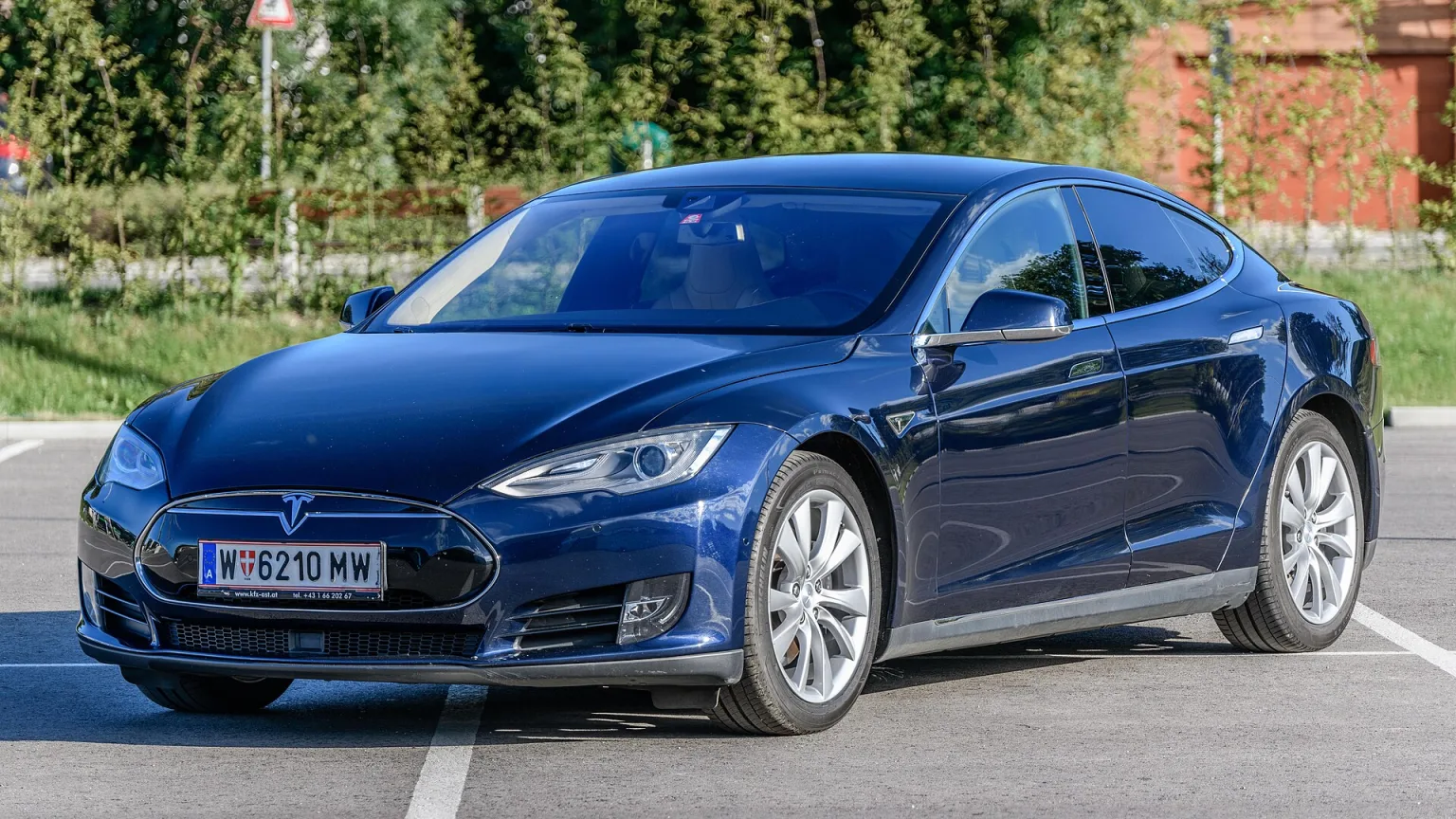
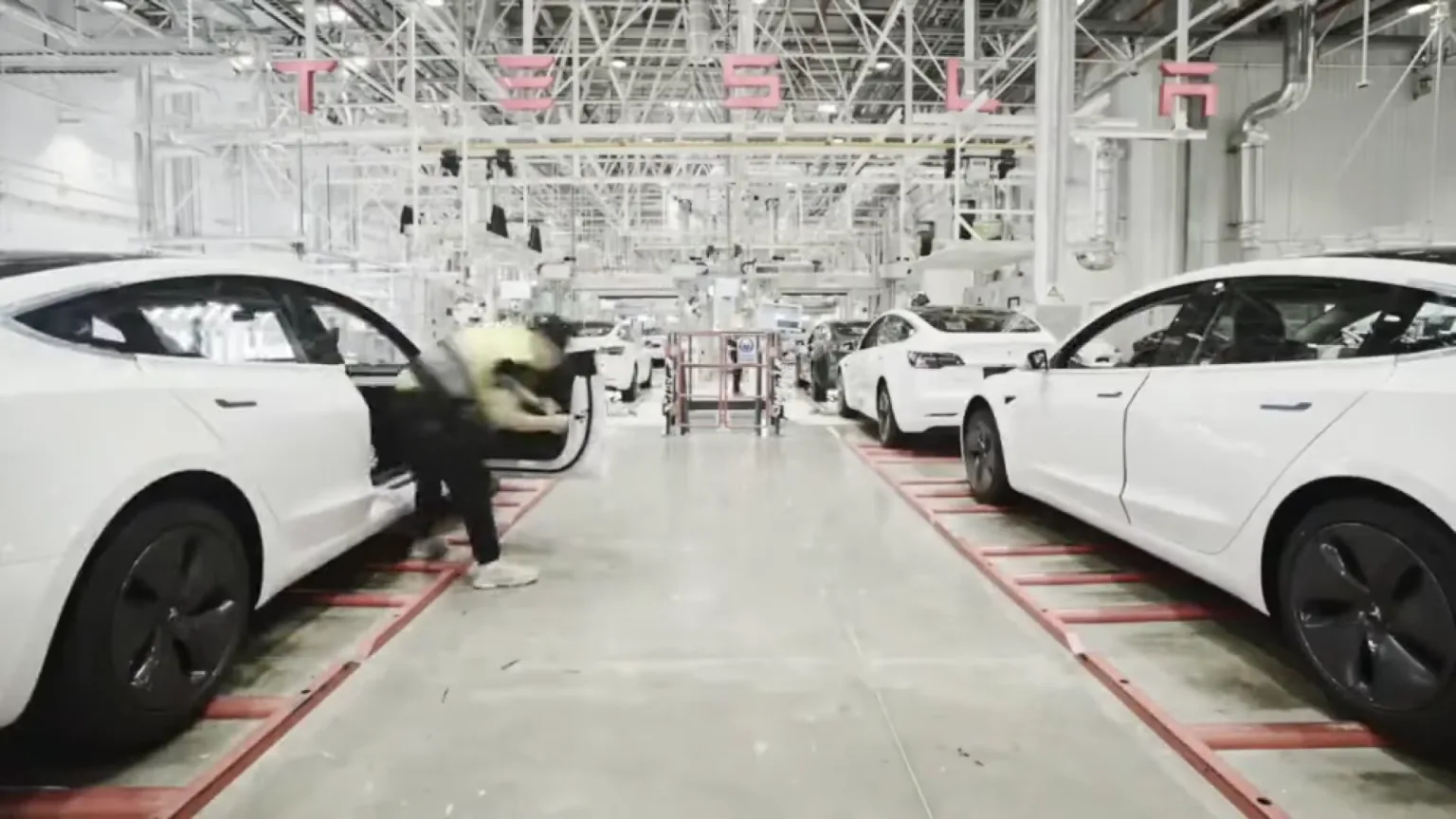
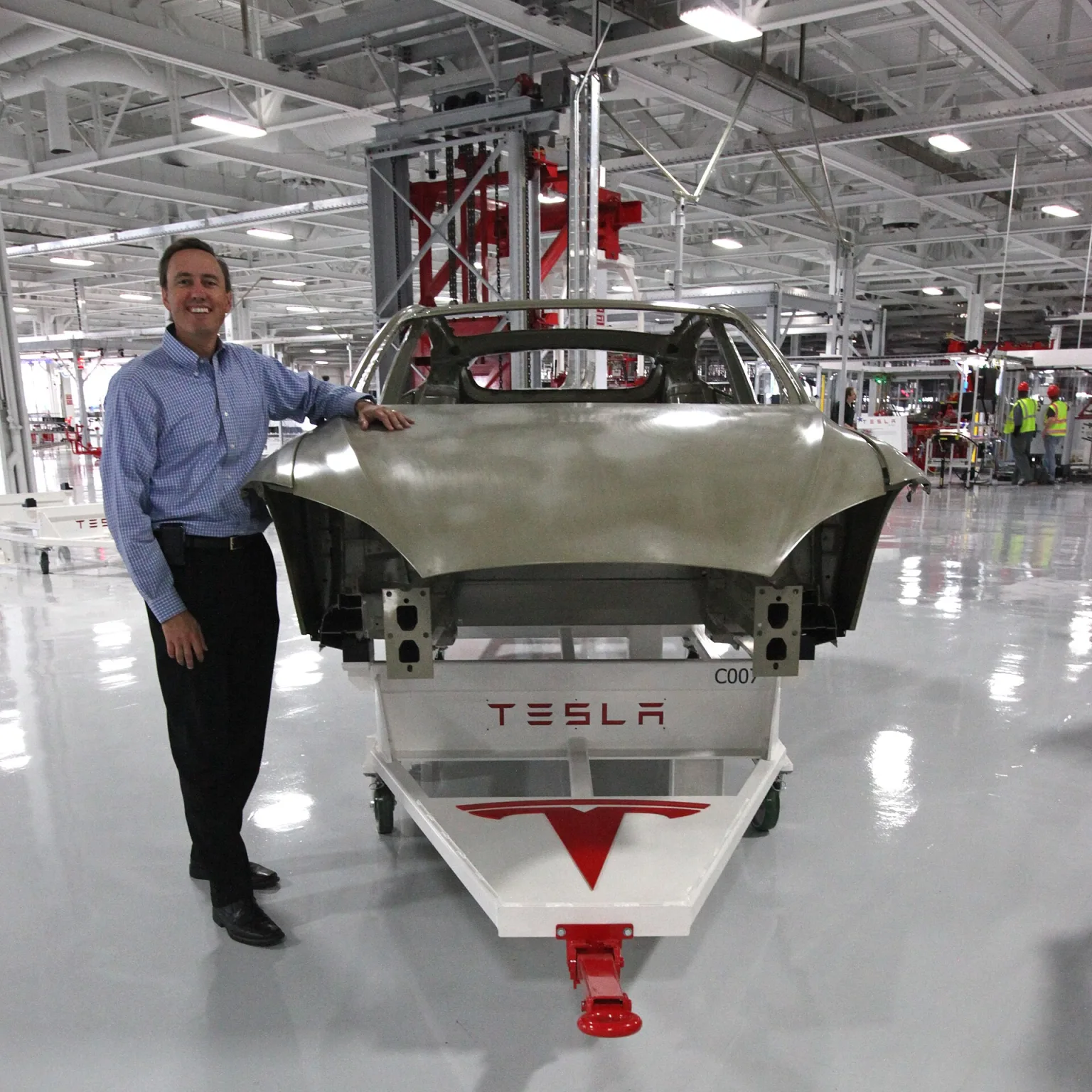
Tesla’s ambitions to sell its electric cars in China have run into a major obstacle: the company does not own the rights to its own name in the country. The ‘Tesla’ trademark is currently held by Chinese businessman Zhan Baosheng, who registered it in 2009 across a wide range of vehicle categories. Zhan is now reportedly demanding $32.6 million for Tesla to use the name, far above the $326,000 the US company is said to have offered.
Tesla's Trademark Challenge in China
Background: The Chinese Automotive Market
China is the largest automotive market in the world, with new car sales rising nearly 11 percent in the previous month according to the China Association of Auto Manufacturers. This growth has attracted global carmakers, including Tesla, which is known for its Model S luxury saloon and electric vehicle technology. Entering the Chinese market is a strategic priority for Tesla, but the trademark dispute threatens to delay or complicate these plans.
How the Trademark Dispute Arose
China’s trademark system operates on a first-to-file basis, meaning that the first person to register a trademark owns the rights, regardless of whether they are the original creator or a later entrant. Zhan Baosheng registered the ‘Tesla’ name for land, air, and marine transportation vehicles in 12 categories before Tesla Motors began its push into China. As a result, Tesla is unable to use its own brand on vehicles or related services in China without Zhan’s permission or a favourable legal outcome.
| Party | Action | Outcome Sought |
|---|---|---|
| Tesla Motors | Offered $326,000 for the trademark; requested cancellation based on non-use | Gain rights to use 'Tesla' name in China |
| Zhan Baosheng | Registered 'Tesla' in 2009; demanding $32.6 million; collecting evidence of use | Retain trademark or receive payment |
| Chinese Trademark Office | May cancel trademark if unused for three years | Determine rightful owner of the trademark |
Legal Options and Precedent
Chinese law does provide a potential route for Tesla. If a trademark has not been used for three consecutive years, it can be challenged and potentially revoked. Tesla has reportedly asked the Chinese Trademark Office to cancel Zhan’s registration on these grounds. In response, Zhan is said to be collecting evidence to show that he has put the ‘Tesla’ name to use, which would block Tesla’s challenge.
This situation is not unique. Apple faced a similar dispute over the ‘iPad’ trademark in China, ultimately paying $60 million to secure the rights. Such cases are not uncommon for foreign brands entering China, where local individuals or companies often register well-known international names in anticipation of future demand. The high-profile nature of these disputes highlights the risks for companies expanding into China without securing trademarks early.
The Role of Domain Names
In addition to the trademark, key domain names such as tesla.com.cn and teslamotors.com have already been registered by other parties in China. This further complicates Tesla’s efforts to establish a clear online presence and brand identity in the country. Securing both the trademark and relevant domain names is critical for any company seeking to operate in China, as losing control over these assets can hinder marketing and customer engagement.
- Tesla cannot officially sell cars under its own name in China until the dispute is resolved.
- Domain names tied to Tesla are controlled by others, making online branding difficult.
- Previous cases, such as Apple's, suggest costly settlements may be required.
Implications for Tesla’s China Strategy
Without control of its own name, Tesla cannot officially launch its cars or related services under the Tesla brand in China. This could result in significant delays and financial losses, as well as a weakened brand presence in a market where first impressions are important. The dispute may also serve as a cautionary example for other international companies considering expansion into China, emphasising the importance of early trademark registration and local legal support.
Trademark Disputes in China: Broader Context
Trademark disputes like Tesla’s are a recurring issue for foreign companies in China. The country’s first-to-file system means that many international brands have encountered similar challenges. These disputes can result in costly settlements or prolonged legal battles, as seen in Apple’s case. The Chinese government has made some efforts to improve intellectual property protection, but enforcement remains inconsistent, and local registrants often have the upper hand in early stages.
For Tesla, resolving the trademark issue is essential to unlocking the potential of the Chinese market. Whether through negotiation, legal action, or a significant financial settlement, the outcome will have lasting consequences for the company’s growth and reputation in China.