Google and Automakers Pursue Divergent Routes to Driverless Cars
Leading US experts highlight the contrast between Google’s push for full autonomy and carmakers’ incremental approach, as debate sharpens over the safest path to self-driving vehicles.
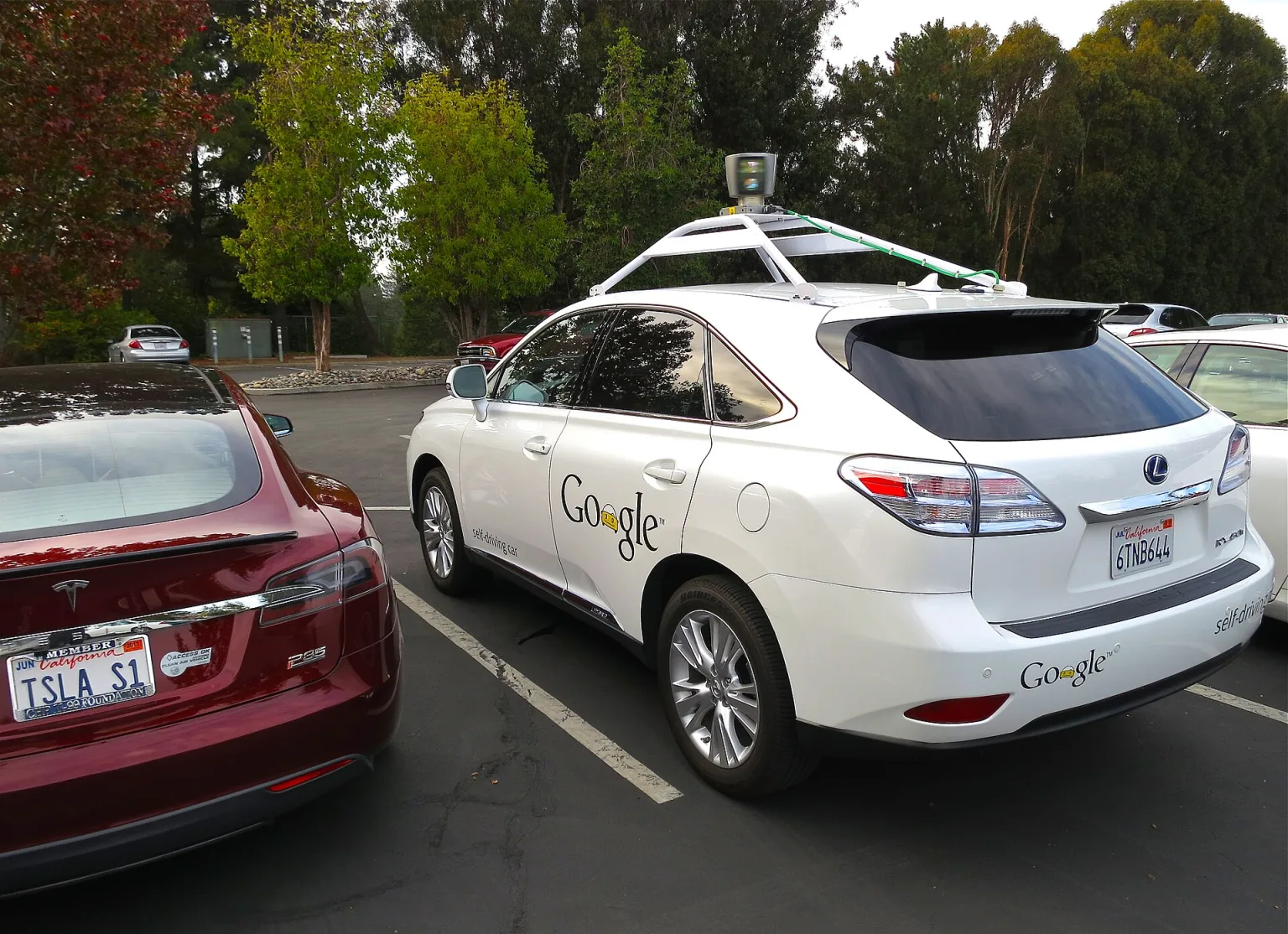
Google and established carmakers are adopting fundamentally different strategies in the race to develop autonomous vehicles. While Google is focused on producing fully driverless cars that require no human input, traditional manufacturers are rolling out automation in incremental steps, maintaining a role for the driver for the foreseeable future.
Contrasting Approaches to Autonomous Vehicles
| Aspect | Traditional Automakers | |
|---|---|---|
| Goal | Full autonomy (no driver input) | Gradual automation (driver remains responsible) |
| Key Players | Google (Chris Urmson) | GM, Mercedes, Tesla |
| Timeline | Aims for production by end of decade | Features available now in some models |
| Approach | Removes steering wheel and pedals | Adds driver-assist features incrementally |
| Safety Concerns | Complacency if partial automation used | Driver attention may lapse as automation increases |
Expert Perspectives
Raj Rajkumar, a leading researcher at Carnegie Mellon University, expects human drivers to remain responsible for their vehicles for many years. This view aligns with the prevailing strategy among automakers, who are introducing features like lane-keeping, adaptive cruise control, and automated parking. These systems operate in specific conditions such as motorways or car parks, but still require the driver to monitor the road and intervene when necessary.
Chris Urmson, head of Google’s self-driving car programme and a former colleague of Rajkumar, takes a different stance. He argues that only fully automated vehicles can deliver the promised safety benefits. Urmson has raised concerns that partial automation might actually make roads less safe, as drivers could become complacent or distracted, failing to respond promptly if the system hands back control unexpectedly. Google aims to have its technology ready for production by the end of the decade.
Industry Implications and Next Steps
The divergence in strategies has significant implications for both buyers and the industry. Automakers can market advanced driver-assist features today, appealing to customers interested in convenience and enhanced safety. Google’s vision, if achieved, could change not only how cars are driven but also how they are designed, regulated, and insured. However, fully autonomous vehicles face substantial technical and regulatory challenges before becoming mainstream. The industry continues to monitor both approaches closely as autonomous technology advances.
For further information on collaboration between Google and traditional manufacturers, see Google Says Its Ready to Jointly Develop Autonomous Cars with Automakers.