AWD demand rises in US as buyers prioritise safety
All-wheel drive now features on nearly a third of new US vehicles, driven by crossover popularity and safety-conscious buyers seeking greater traction and control.

All-wheel drive has become a mainstream expectation for American car buyers who place a premium on safety and year-round traction. According to Polk, nearly one in three new vehicles sold in the US through September 2013 was equipped with four-wheel drive, up five percentage points from the same period in 2008.
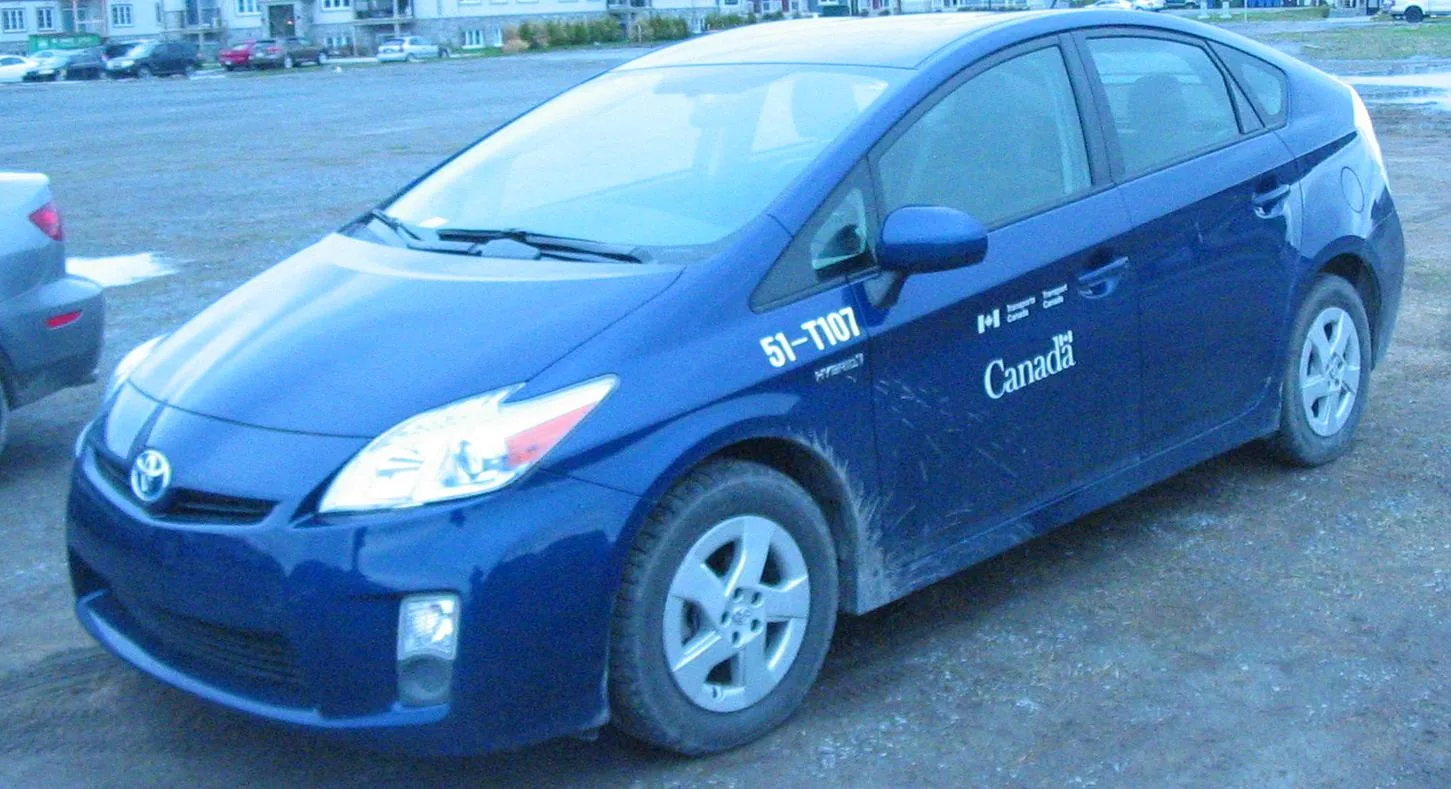
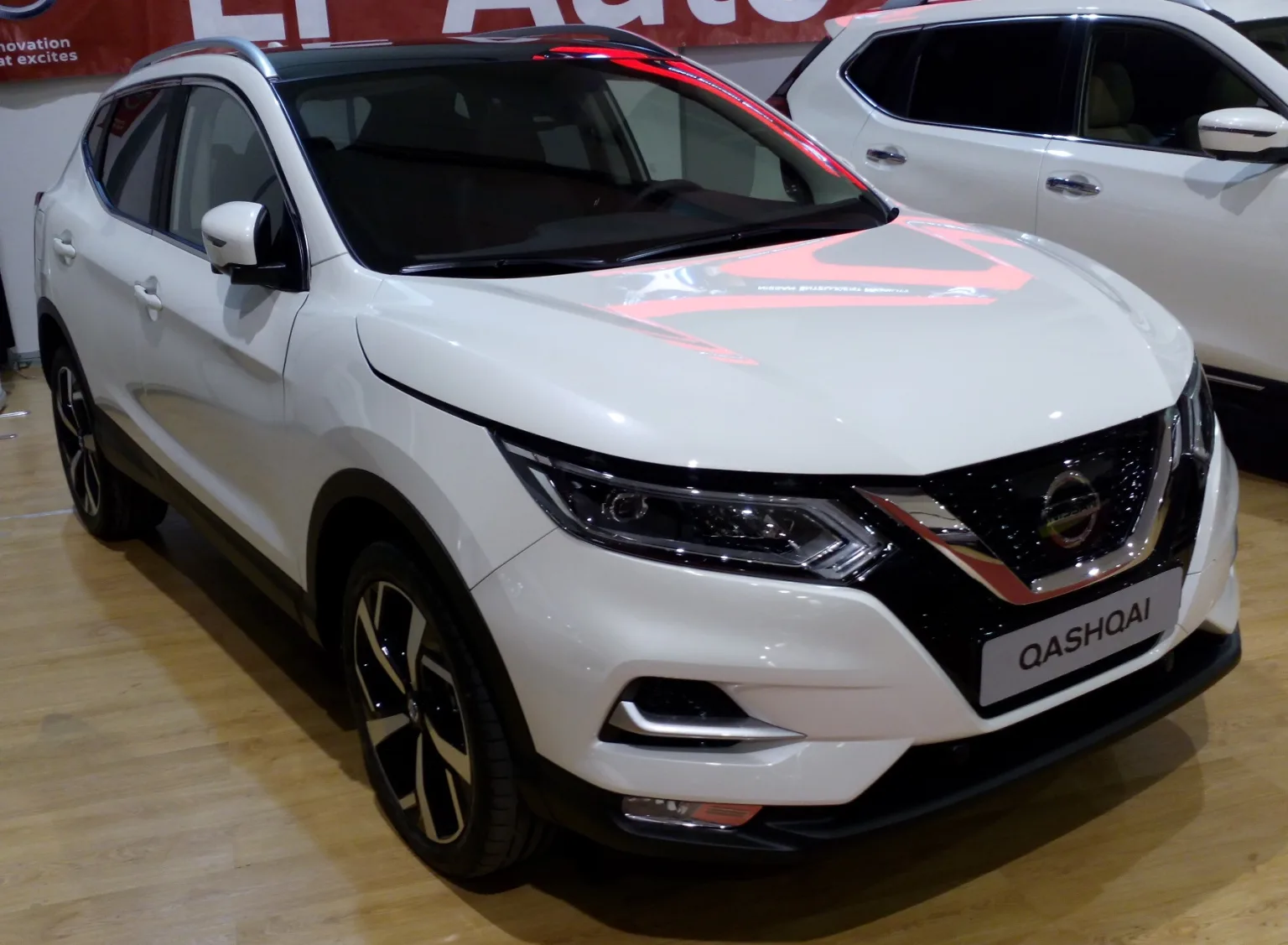
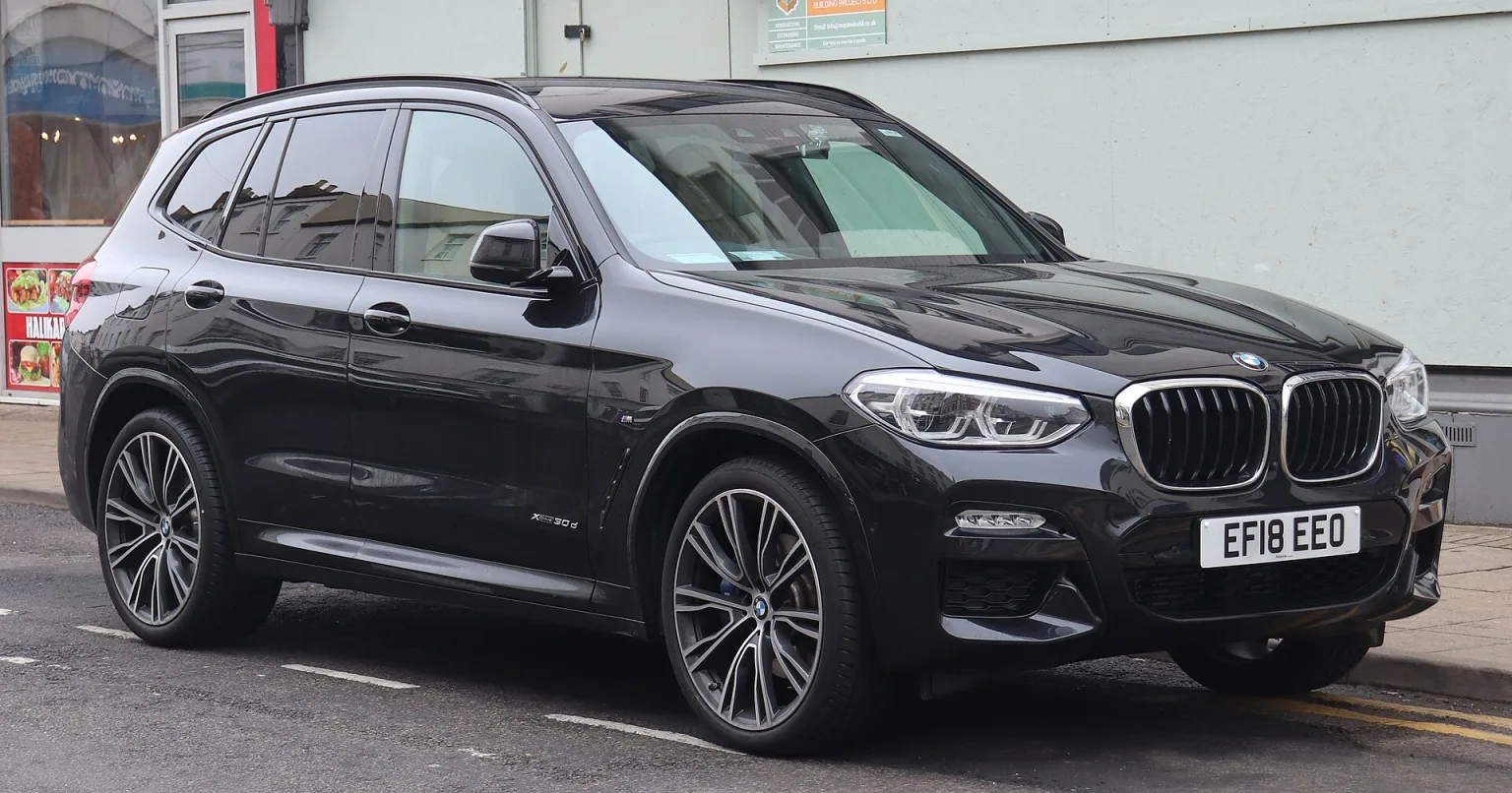
The surge in AWD sales closely tracks the rise of crossovers, especially in the non-luxury compact segment. Models such as the Ford Escape and Toyota RAV4 have helped this category reach 13.6% of the US market through September 2013, compared to 9.3% in the same period five years earlier. Luxury compact crossovers, including the Acura RDX and BMW X3, have also expanded their share, albeit from a smaller base, moving from 0.3% to 1.2%.
Safety and versatility drive AWD growth
Buyers cite safety and confidence in poor weather as key reasons for choosing AWD. The technology’s appeal has broadened as manufacturers introduce it across more models, including smaller and more efficient vehicles. Subaru, for example, has made AWD standard on all models except the BRZ coupe, contributing to a 28.3% rise in US sales through November 2013. Audi’s Quattro system remains a major selling point, with 88% of its US sales last year featuring AWD. Jaguar, traditionally a rear-wheel-drive marque, added AWD to its XF and XJ saloons for the 2013 model year, which helped push Jaguar’s US sales up 40.6% year-to-date through November.
- Subaru: AWD standard on all models except BRZ
- Audi: 88% of US sales with AWD in 2012
- Jaguar: AWD added to XF and XJ for 2013 US market
Land Rover’s entire US line-up is AWD, reinforcing its brand identity. Meanwhile, some manufacturers have started offering front-wheel-drive options for Sun Belt customers less concerned about winter traction, but the overall trend remains towards AWD, especially in northern states and among buyers seeking reassurance in adverse conditions.
Crossovers reshape the US market
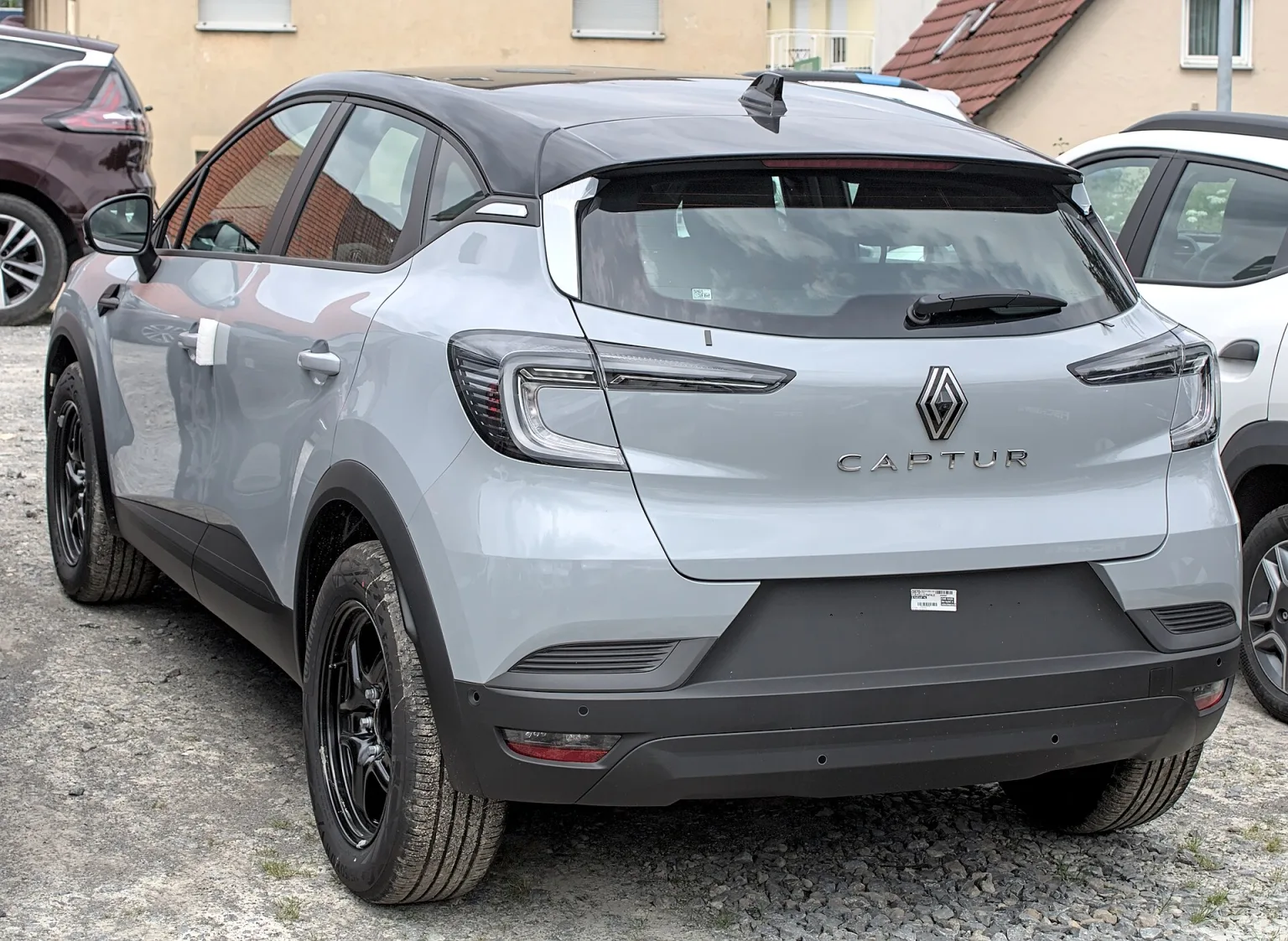
The crossover segment’s expansion is reshaping what buyers expect from mainstream vehicles. Honda is preparing to launch a crossover smaller than the CR-V, following the Urban SUV concept, while Jeep is set to introduce a subcompact crossover in late 2014 or early 2015. Ford and Toyota are also considering new entries in this space. As these models arrive, the share of AWD-equipped vehicles is likely to keep rising, reflecting both practical needs and the marketing of safety as a central feature.