Five US Premium Cars Winning Over Mainstream Buyers
New analysis highlights five premium models in the US market that attract the highest percentage of buyers trading up from non-luxury brands, reshaping entry-level luxury competition.

Registration data from IHS Automotive shows that five premium models in the US are leading the way in attracting buyers from non-luxury brands, with each model drawing more than half its conquest sales from mainstream segments. The analysis, based on 2014 figures, highlights how the lines between traditional luxury and non-luxury vehicles have blurred as entry-level premium offerings become more accessible.
Models with the highest non-luxury conquest rates
- Volvo C70: 68.01% of buyers came from non-luxury brands before the model was discontinued in 2014. The C70’s retractable hardtop and distinctive positioning made it a gateway for buyers seeking a premium convertible experience.
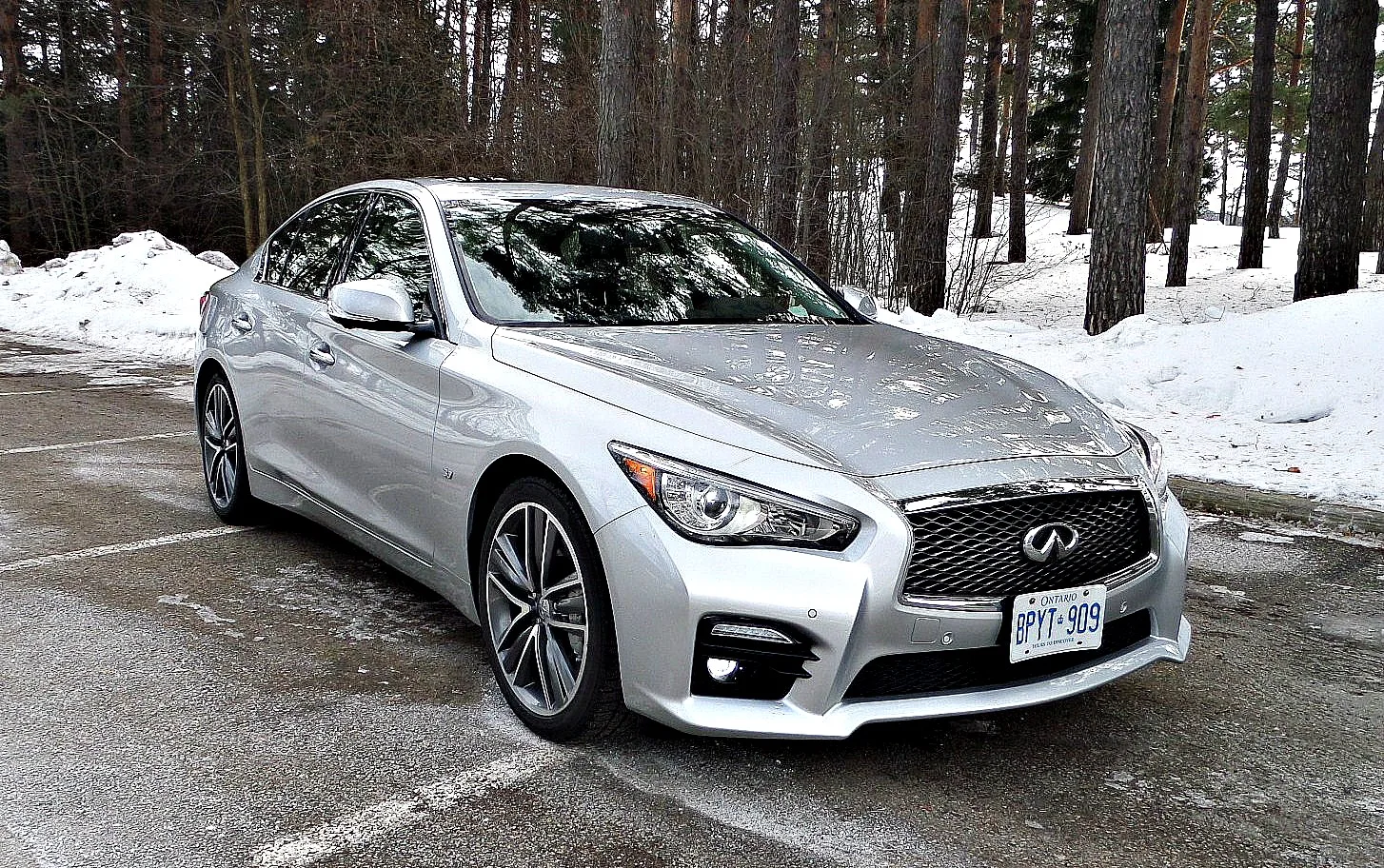
- Infiniti JX/QX60: 63.89% of buyers were new to the luxury segment. The midsize crossover, recently renamed QX60, offered three-row practicality and comfort, appealing to families trading up from mainstream SUVs.
- Acura ILX: 59.66% of ILX buyers previously owned non-luxury vehicles. As Acura’s smallest sedan, the ILX targeted younger and first-time premium buyers with a focus on value and efficiency.
- Audi A3: 57.34% of A3 buyers came from mainstream brands. The A3’s varied line-up, including hatchback and sedan options, broadened its appeal as an accessible entry point to the Audi range.
- Cadillac ATS: 56.88% of ATS buyers were new to luxury. Cadillac positioned the ATS directly against the BMW 3 Series, aiming to capture buyers looking to move up from volume brands.
Why these models attract mainstream buyers
All five models share a focus on accessibility, either through competitive pricing, practical body styles, or features that resonate with buyers moving up from mainstream brands. The Volvo C70’s appeal lay in its convertible design and comparatively low entry price for a premium drop-top, while the Infiniti QX60’s three-row layout targeted families ready to upgrade from non-luxury crossovers. The Acura ILX and Audi A3 both offered smaller, more affordable saloon and hatchback options, making the step into a premium badge less daunting financially. Cadillac’s ATS, meanwhile, was pitched as a direct rival to established German compact saloons, but with incentives and features designed to lure buyers from mass-market brands.
This trend reflects a broader shift in the US premium market, where entry-level models are no longer just about badge value but offer genuine improvements in technology, safety and refinement over their mainstream counterparts. As a result, the distinction between luxury and non-luxury is becoming less clear, especially at the lower end of the premium segment.
Implications for brands and buyers
For manufacturers, these conquest rates are crucial, as attracting first-time premium buyers can lead to long-term loyalty and higher margins. For buyers, the growing number of accessible premium models means more choice and the ability to move upmarket without a dramatic increase in price or running costs. The trend also puts pressure on mainstream brands to improve features and perceived quality at the top end of their line-ups, further blurring the traditional boundaries between segments.
For more on how premium models shaped the market in later years, seeFive Luxury Cars That Defined 2016’s Premium Market.