OPEC Considers Oil Price Hike, Threatening US SUV Boom
OPEC's strategy shift could push oil prices higher next year, putting pressure on US buyers of large SUVs and pickups that have thrived on cheap fuel.

The Organisation of Petroleum Exporting Countries (OPEC) has signalled a possible shift in strategy that could see global oil prices rise in 2016, putting an end to the cheap petrol that has fuelled a surge in US SUV and pickup sales this year.
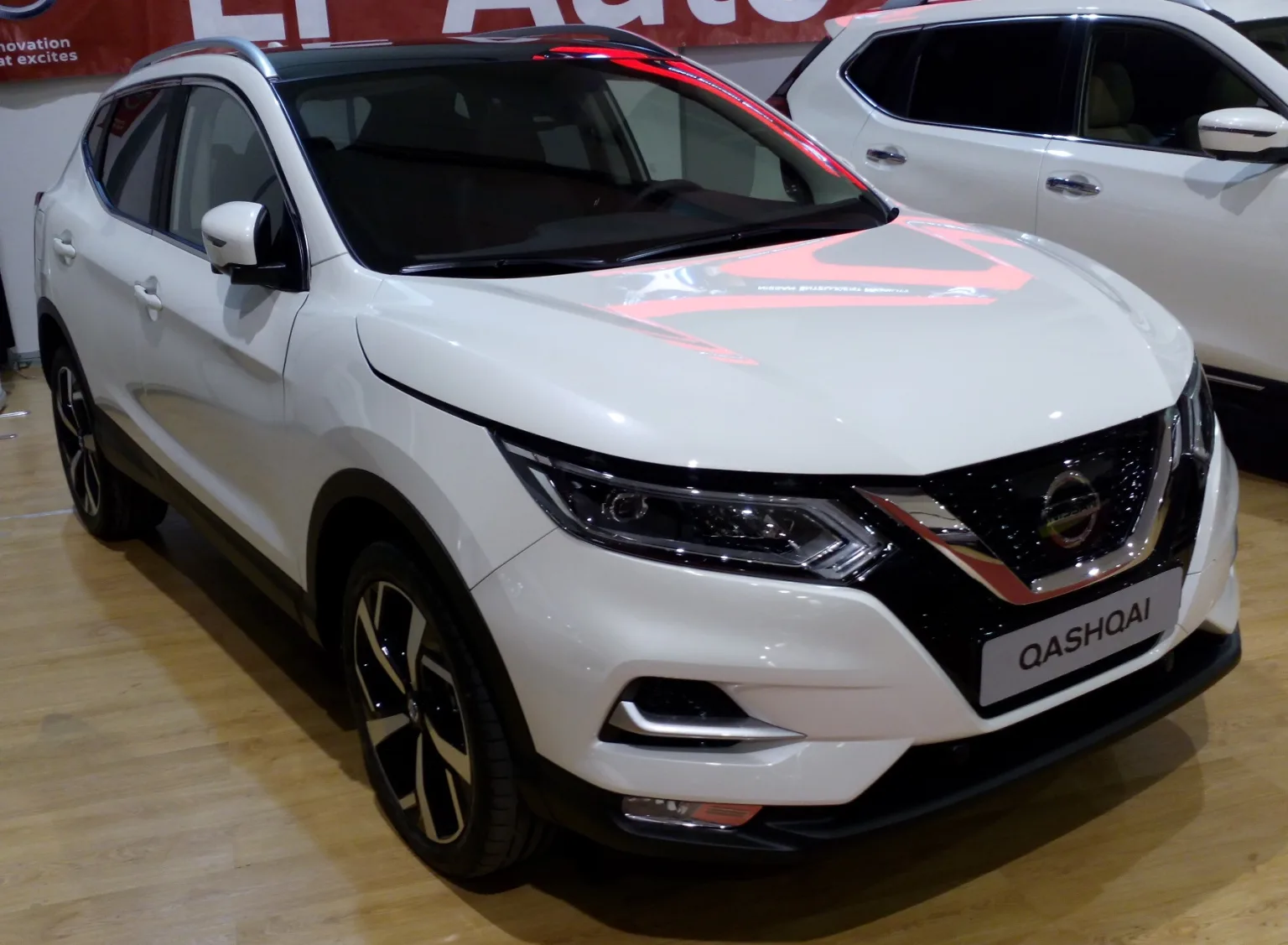
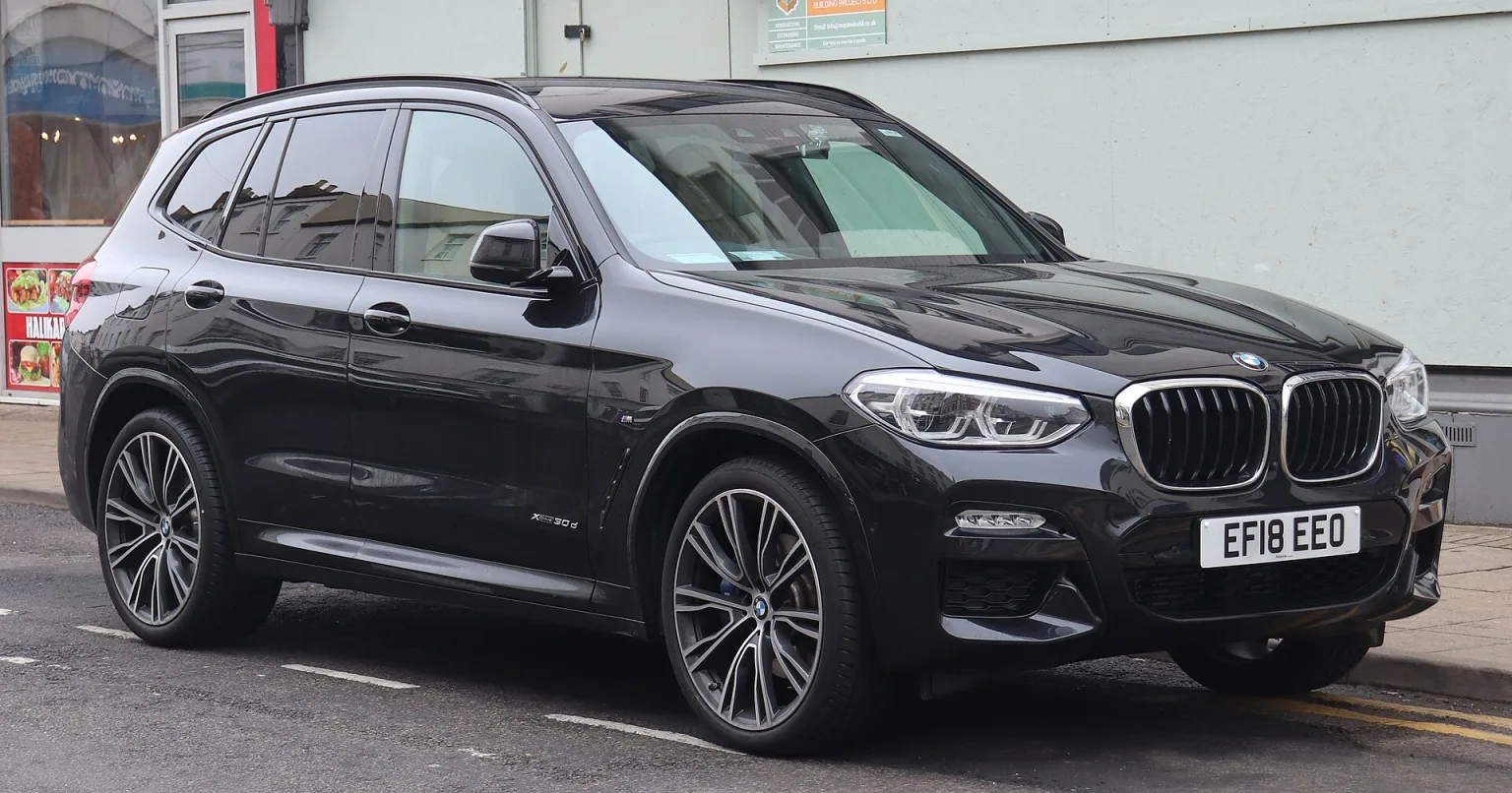
US buyers have flocked to larger, less fuel-efficient vehicles as national average petrol prices dropped below $2.30 per gallon in recent months. This trend has been especially pronounced in states where prices remain under $2 per gallon, though California drivers continue to pay a premium, with averages near $2.91 per gallon.
OPEC's new approach and its implications
OPEC's latest internal forecasts suggest its member states expect to see increased demand for their oil compared to non-OPEC producers such as Russia, the Americas and Europe. The group has indicated that it may respond by tightening supply, which would likely push crude prices higher. Such a move would reverse the recent trend of falling pump prices that has supported demand for larger, less efficient vehicles in the US.
For American consumers, any sustained rise in fuel costs could force a rethink for those considering a new SUV or pickup. The current market has seen retail averages fall below $3 per gallon in every state for the second consecutive week, but even a modest increase in crude prices could quickly change the economics of running a fuel-hungry vehicle.
Short-term stability, long-term uncertainty
Analysts do not expect an immediate spike in US petrol prices, thanks to increased domestic supply and relatively stable market conditions. If global crude prices stay flat and there are no major supply disruptions, the US national average could even dip below $2 per gallon for the first time since 2009. However, OPEC's signals suggest that this window of cheap fuel may close if the group acts on its plans next year.